
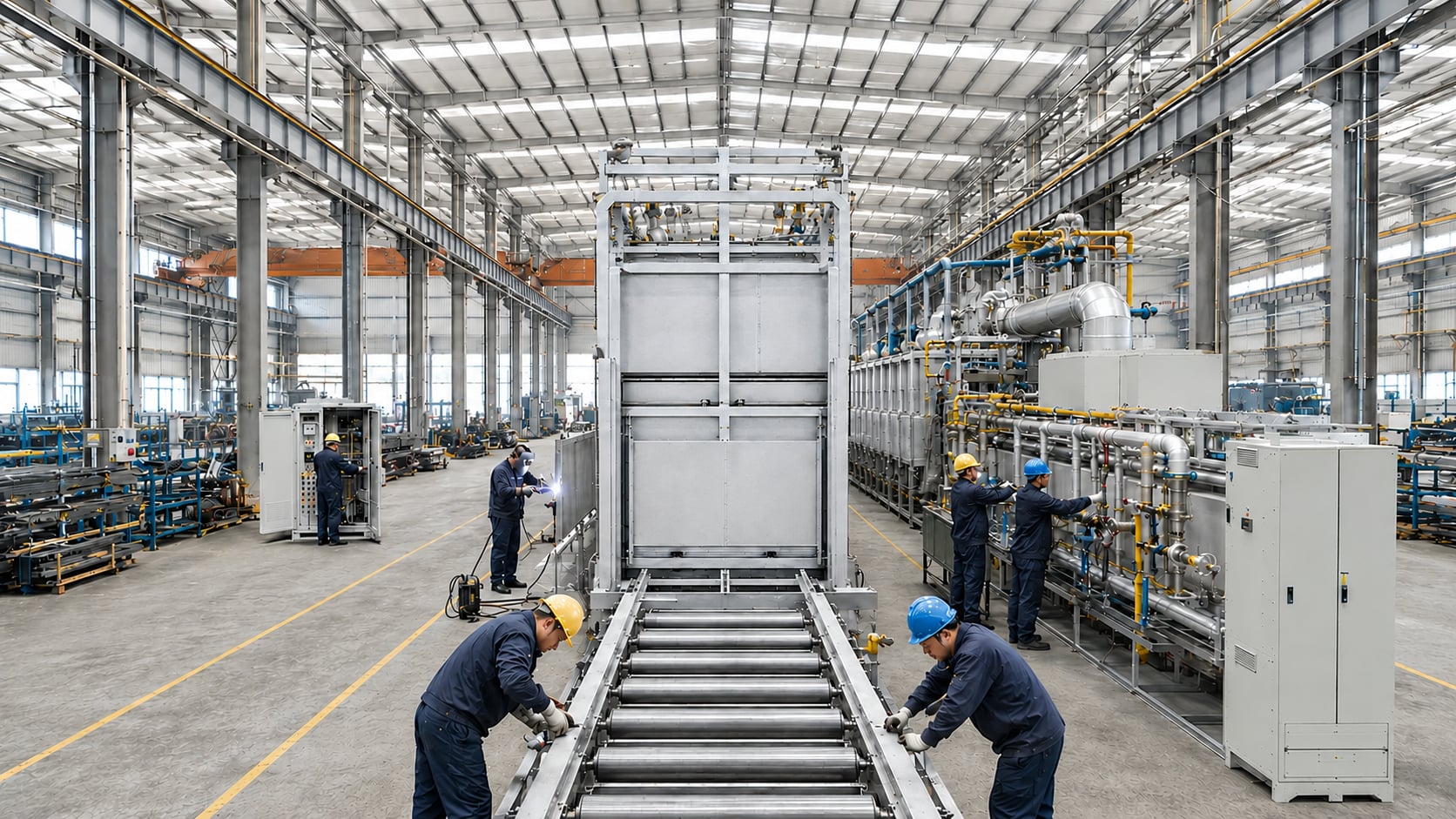
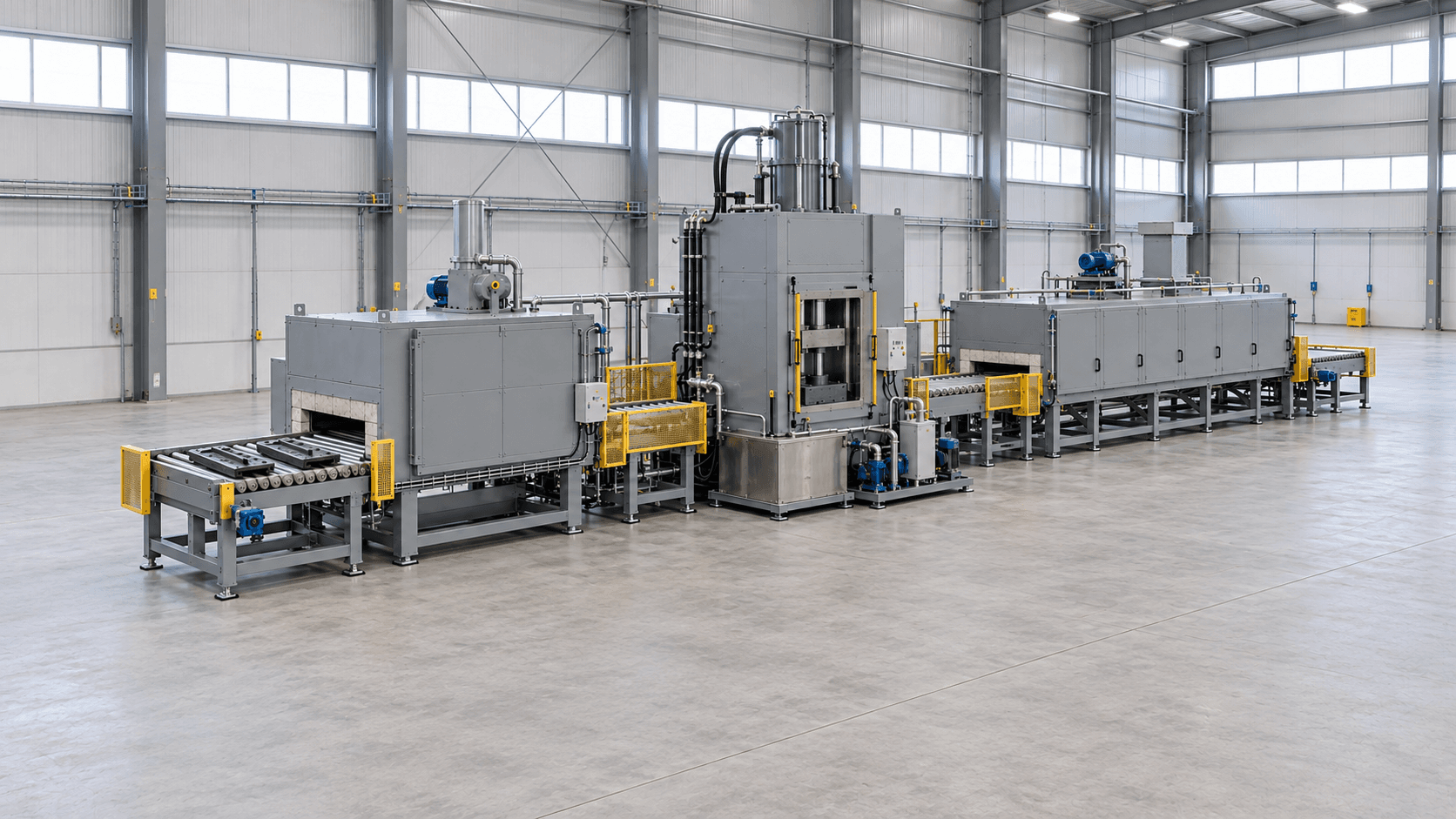
Track Shoe Press-Quenching Line
For: Track shoes with repeatable geometry and defined distortion limits
Heating · Press quenching · Tempering

Loading page…
Loading is taking longer than usual. Please wait or try again.
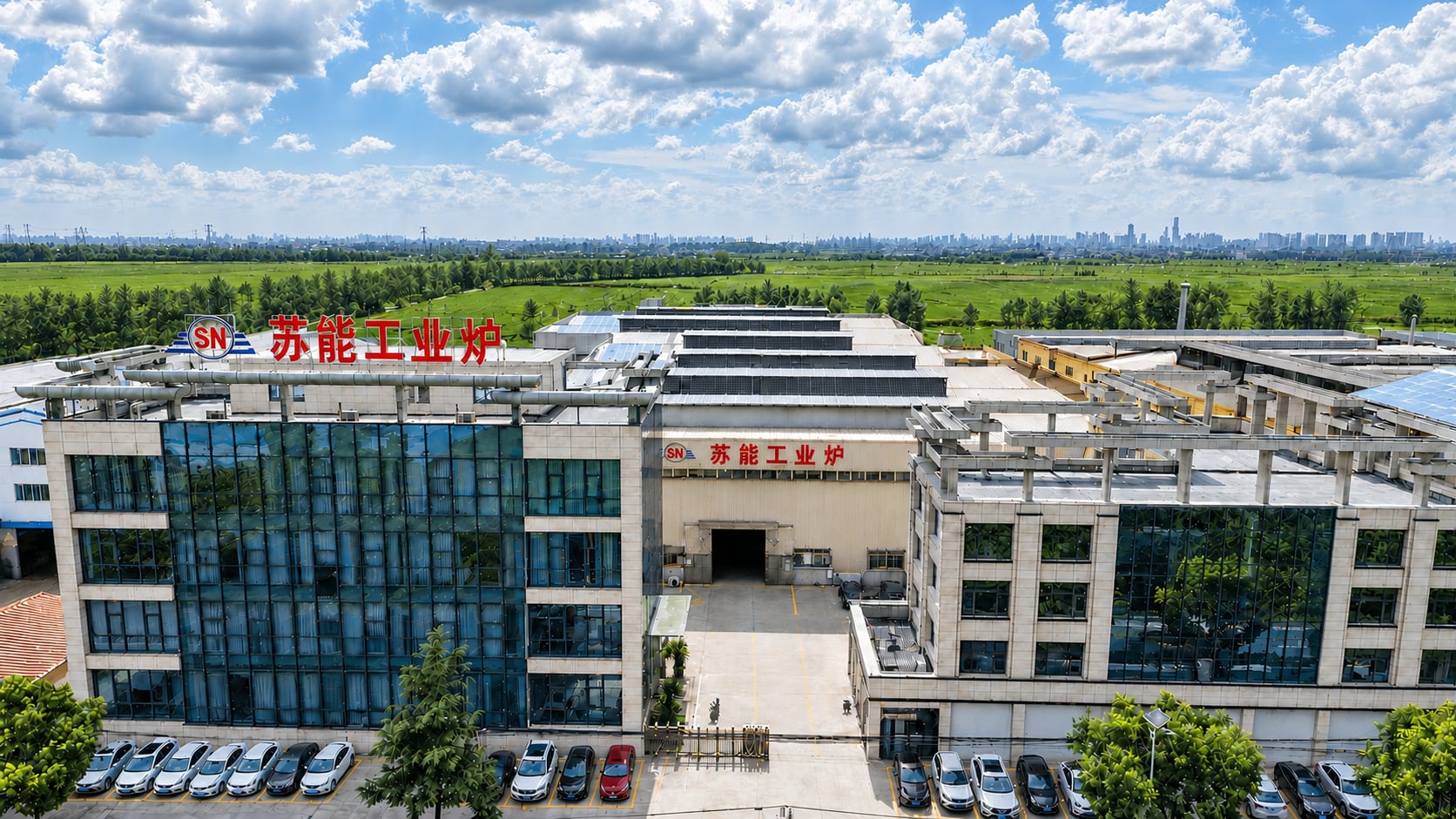
Retry loadingJIANGSU SUNENG INDUSTRIAL FURNACE CO LTD
Industrial furnaces, components and complete heat-treatment lines.
Taizhou, Jiangsu · National High-tech Enterprise
2006
Founded
50.8M CNY
Registered capital
1000+
New-build & retrofit projects
≈14700m²
Production site (company-reported)











Choose your starting point
Images identify workpiece categories. Material, manufacturing route and treatment requirements must follow your drawings and specifications.
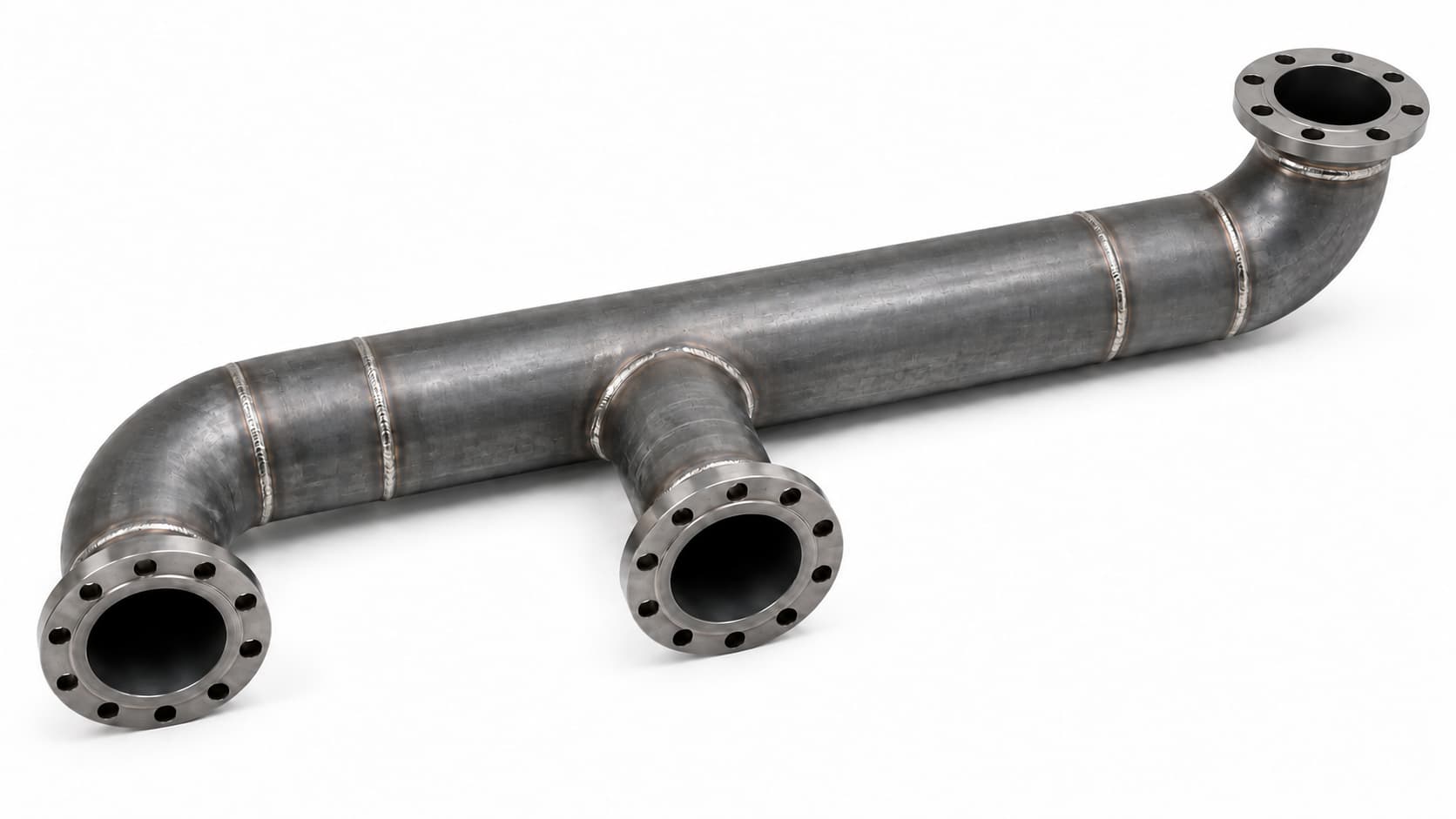
Wall thickness differences and supports affect treatment consistency.
Please prepare your requirements, material, dimensions and weight, and planned throughput.
For: Track shoes with repeatable geometry and defined distortion limits
Heating · Press quenching · Tempering
For: Steel forgings validated for residual-heat quenching
Residual-heat quenching · Tempering
For: Steel fasteners requiring quenching and tempering
Quenching · Tempering
Equipment and process illustrations. Final configuration depends on the material, product requirements and agreed scope of supply.
General heat treatment for small and medium workpieces and short production runs.
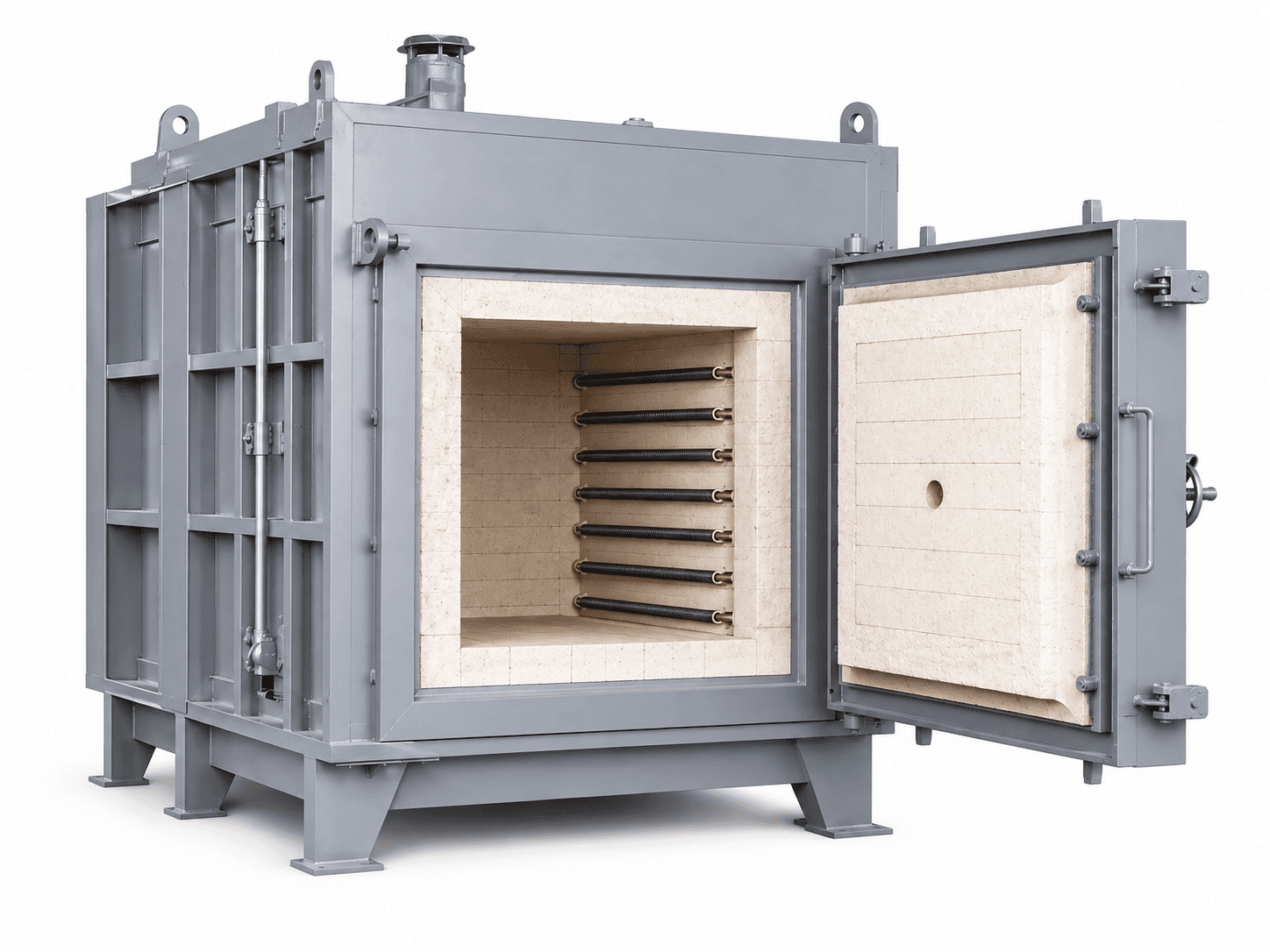
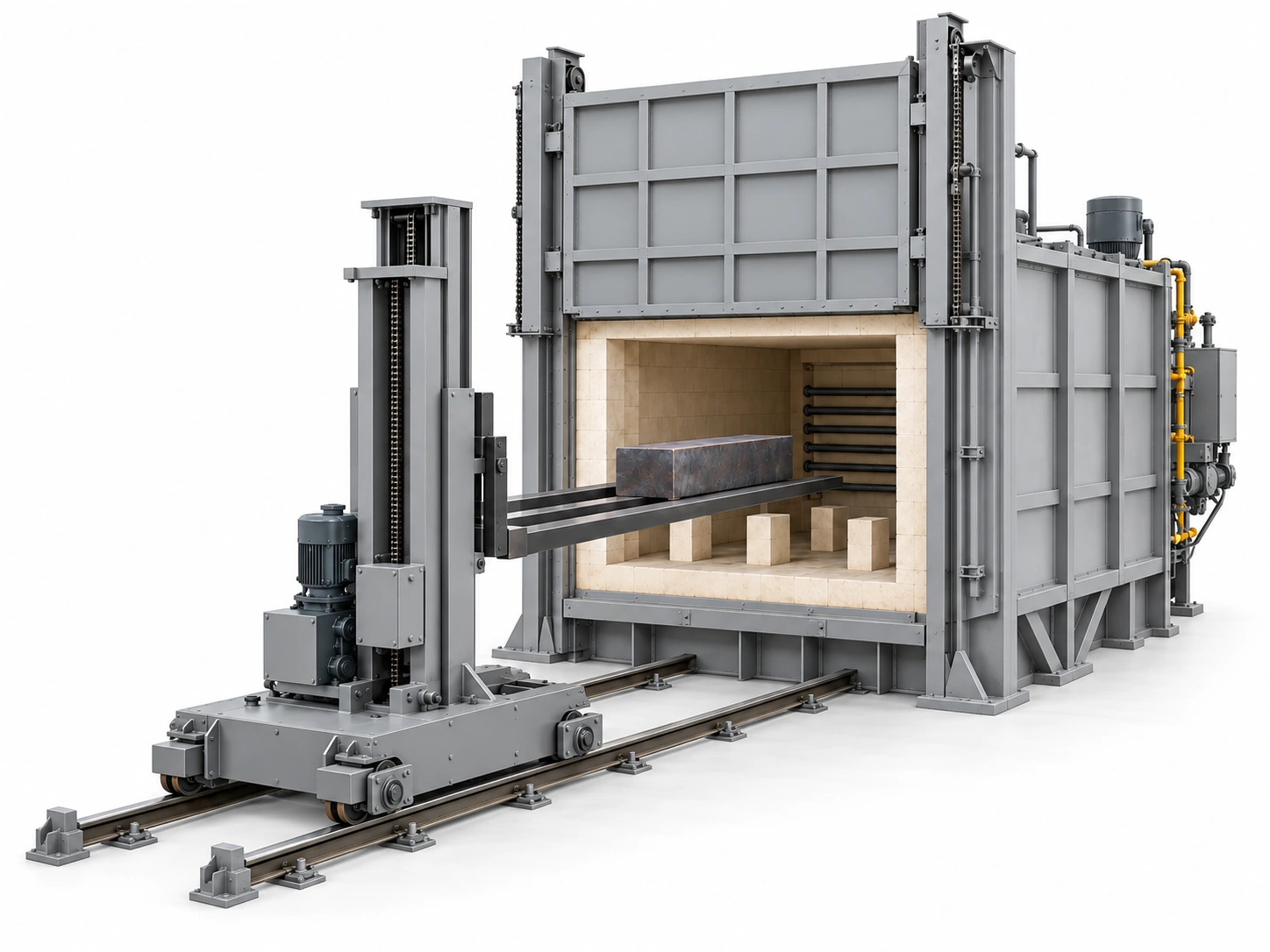
Batch heat treatment for large and heavy workpieces with trolley loading.
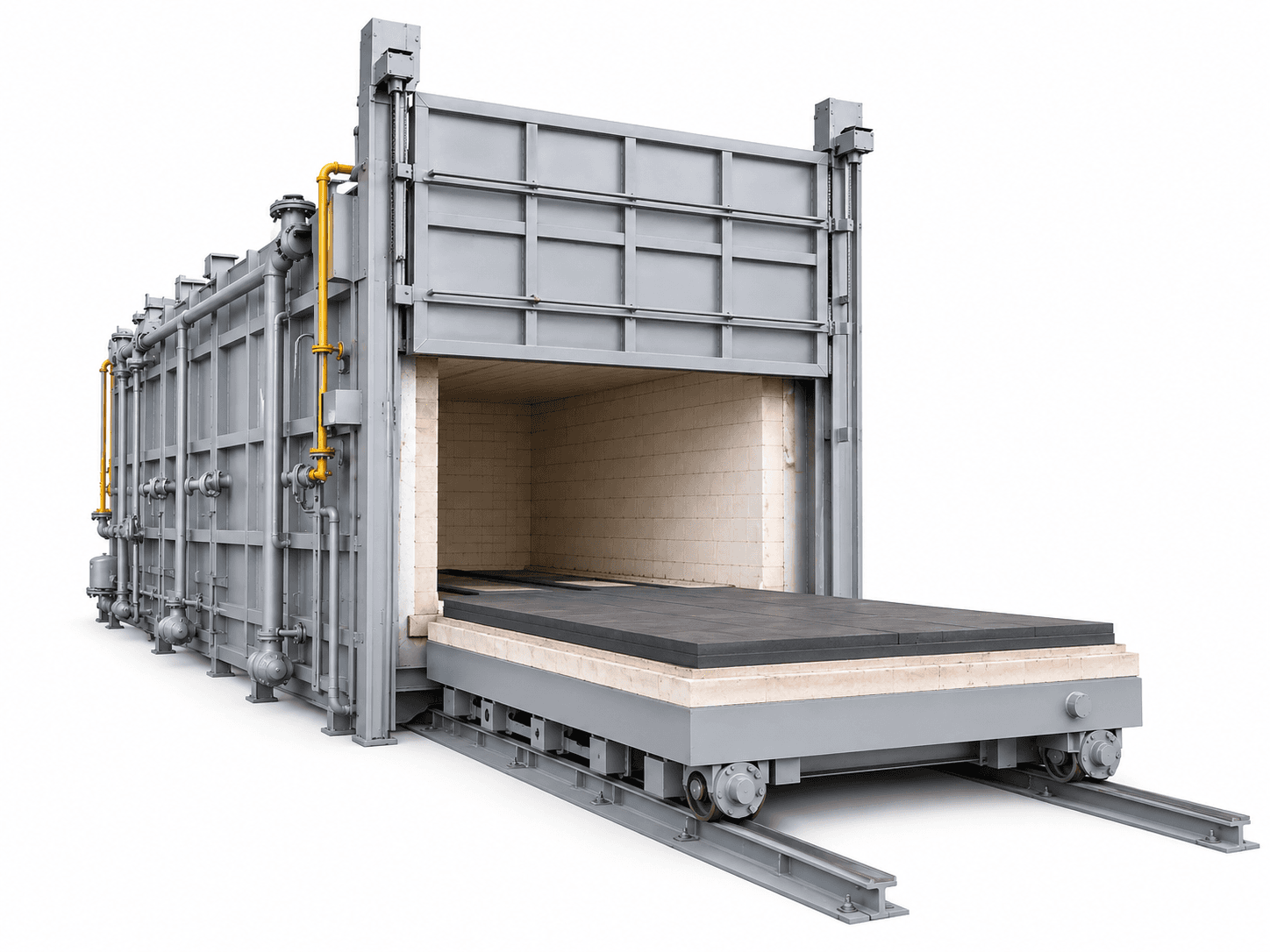
Vertical heat treatment for shafts, rods and other long workpieces.
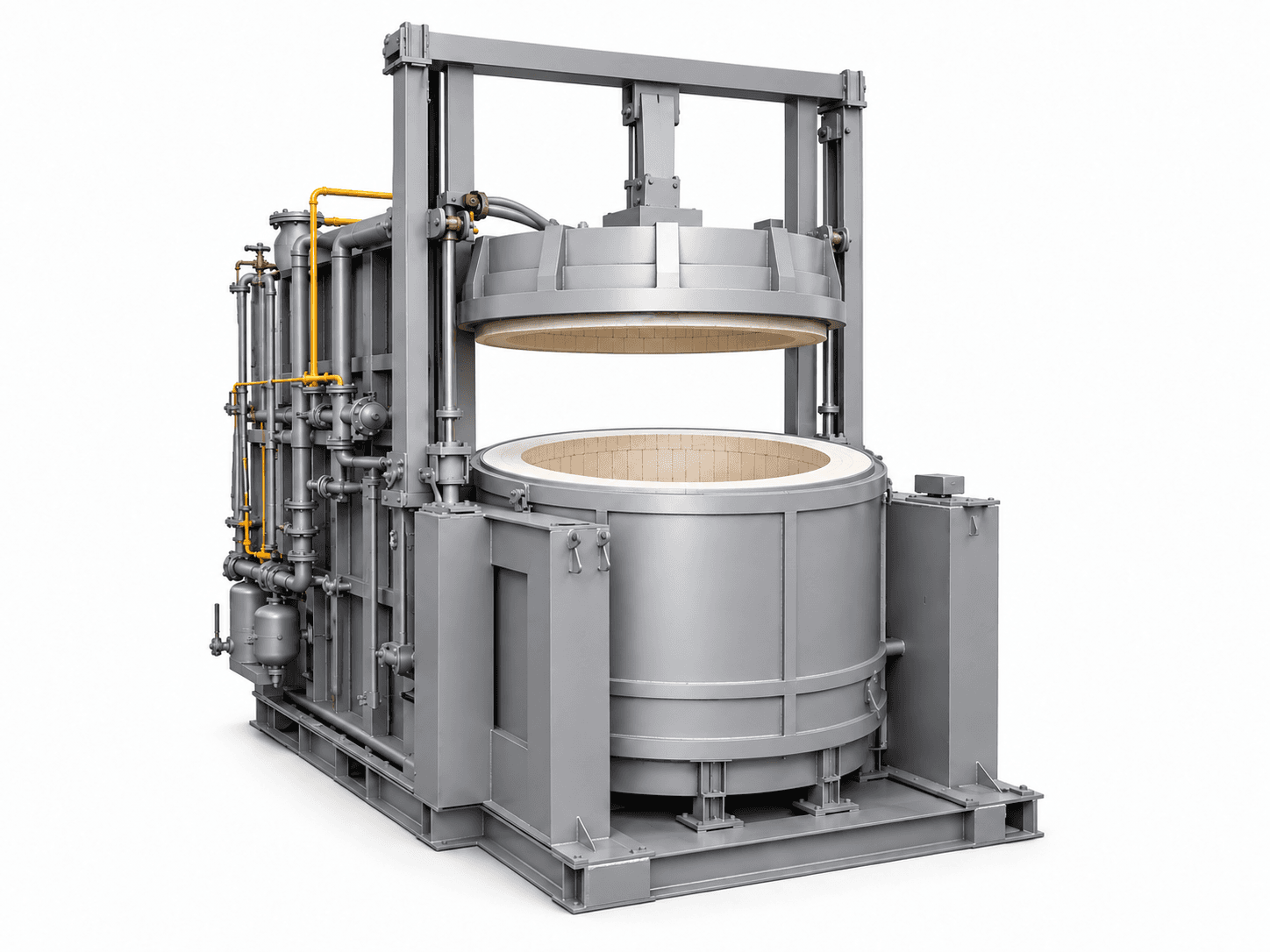
Batch and protective-atmosphere heat treatment for coils, wire and stacked loads.
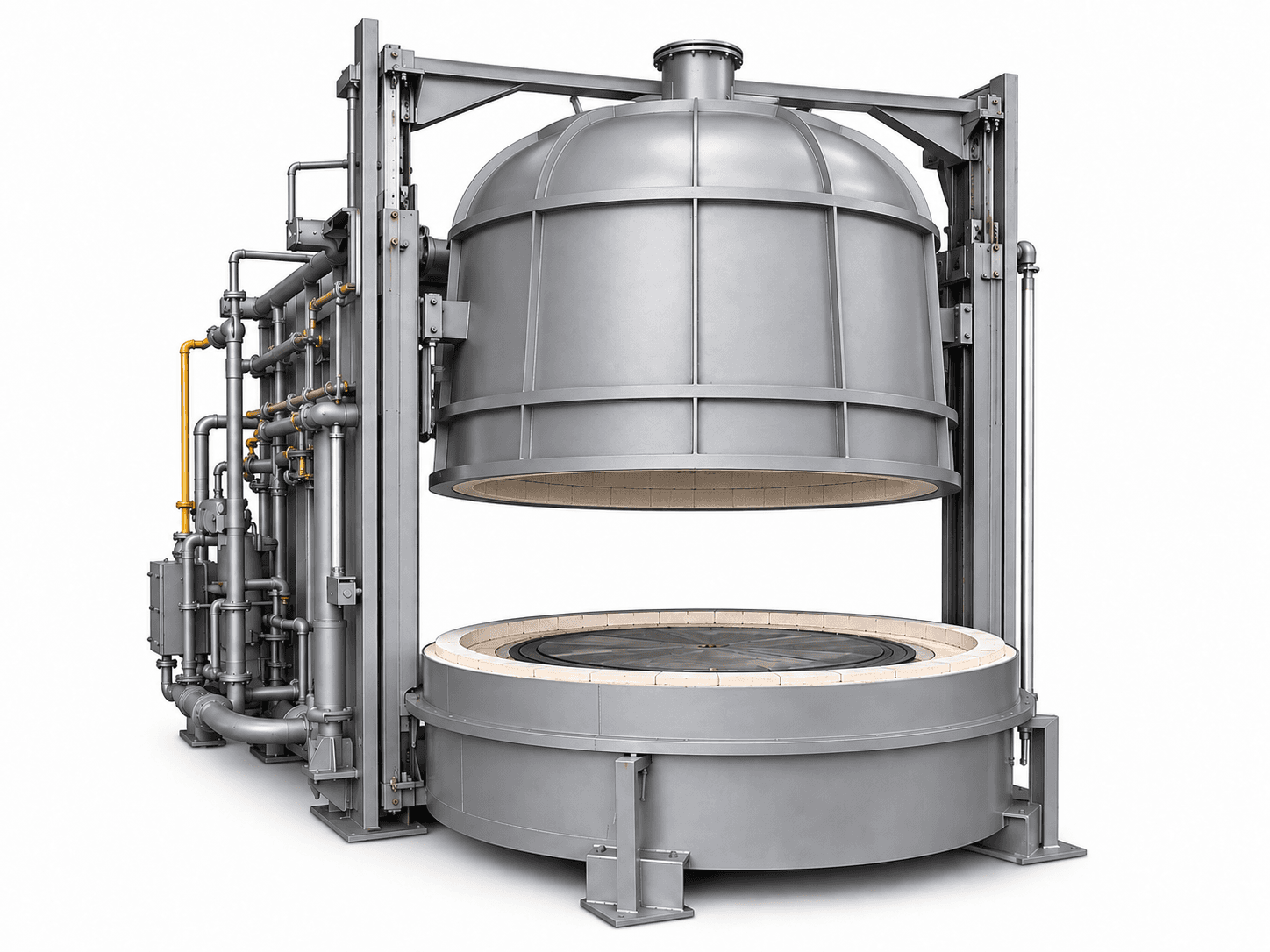
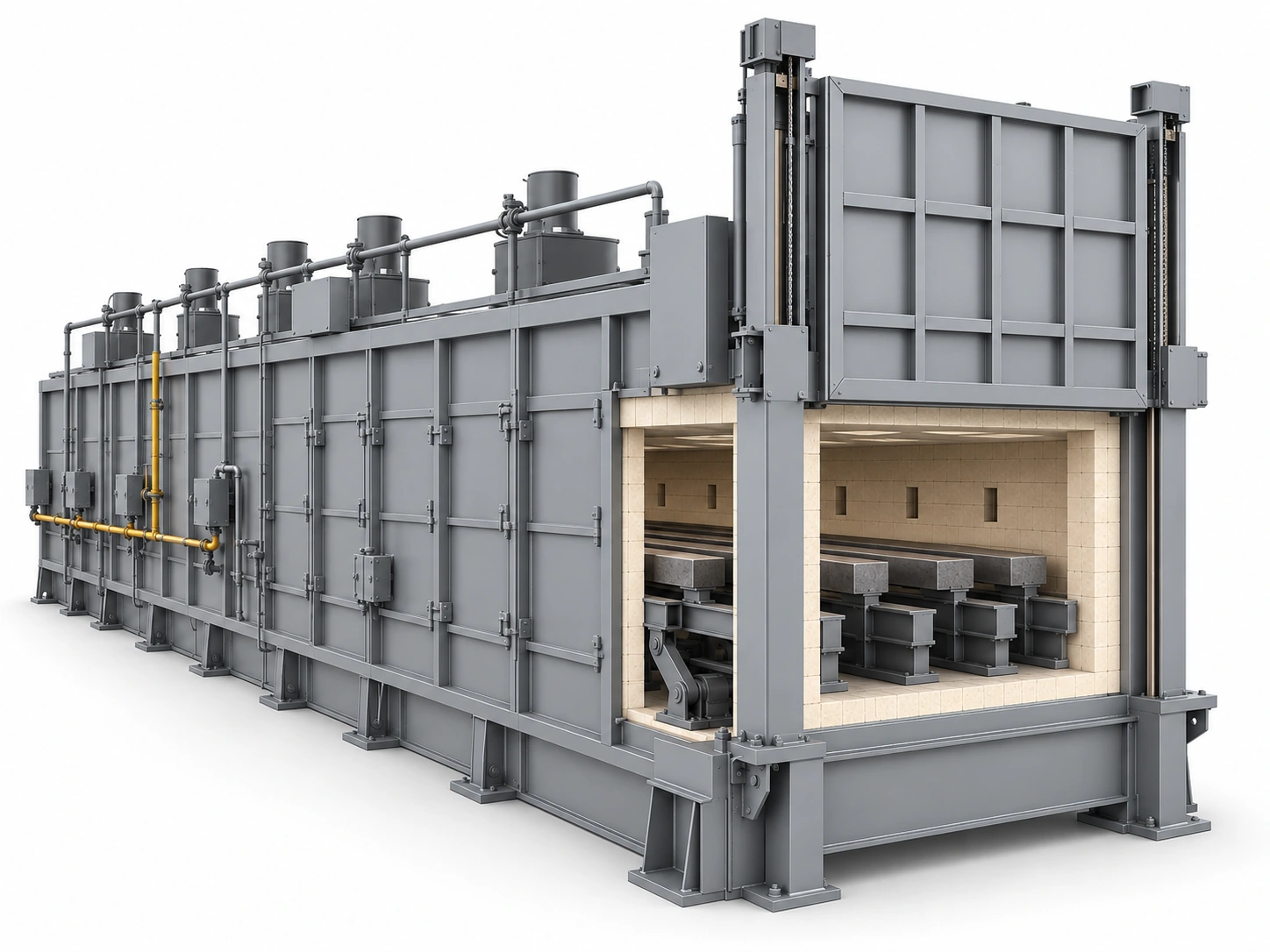
Continuous heat treatment with paced tray or carrier pushing.
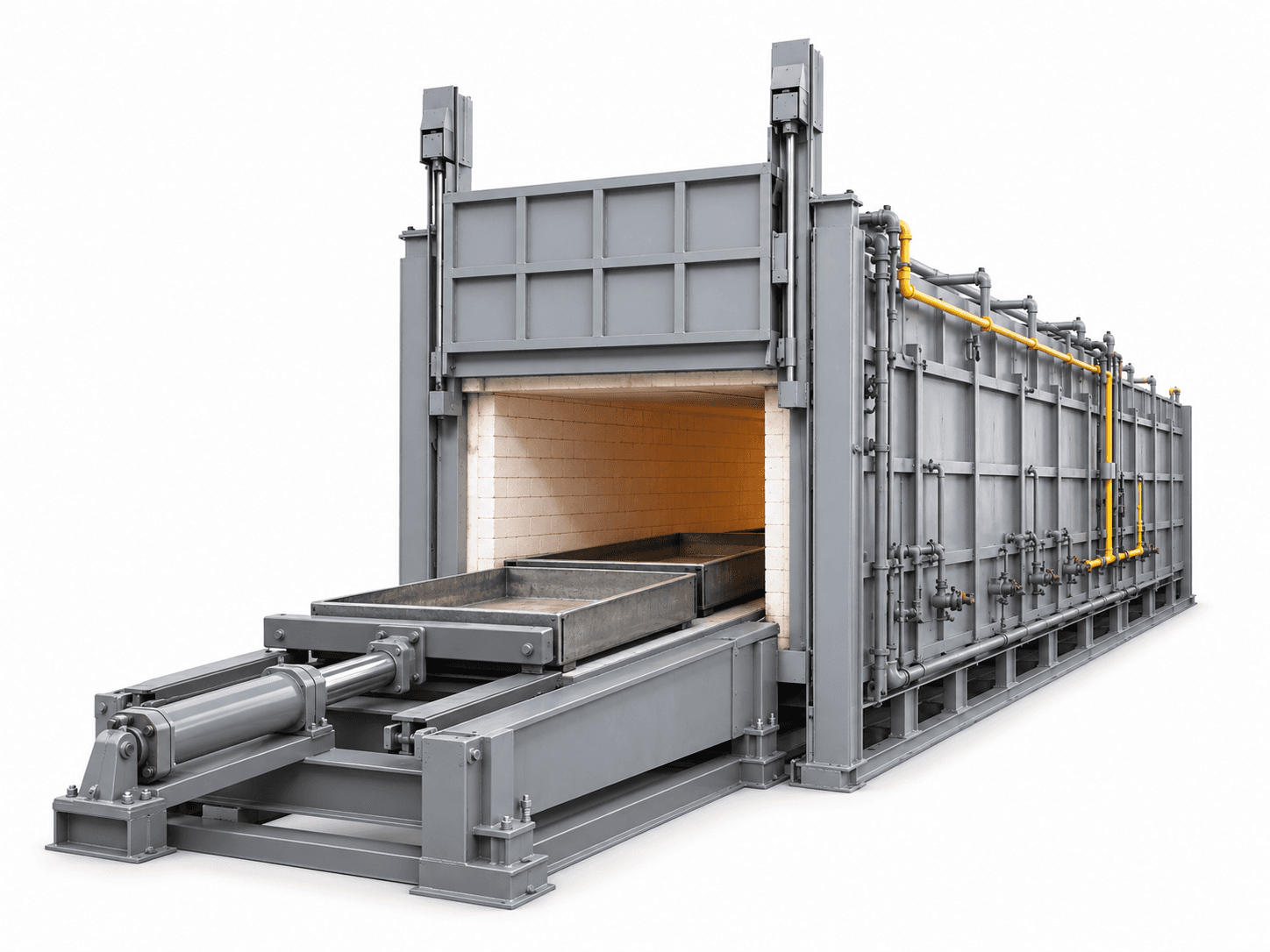
Continuous annealing and tempering for small parts and standard components.
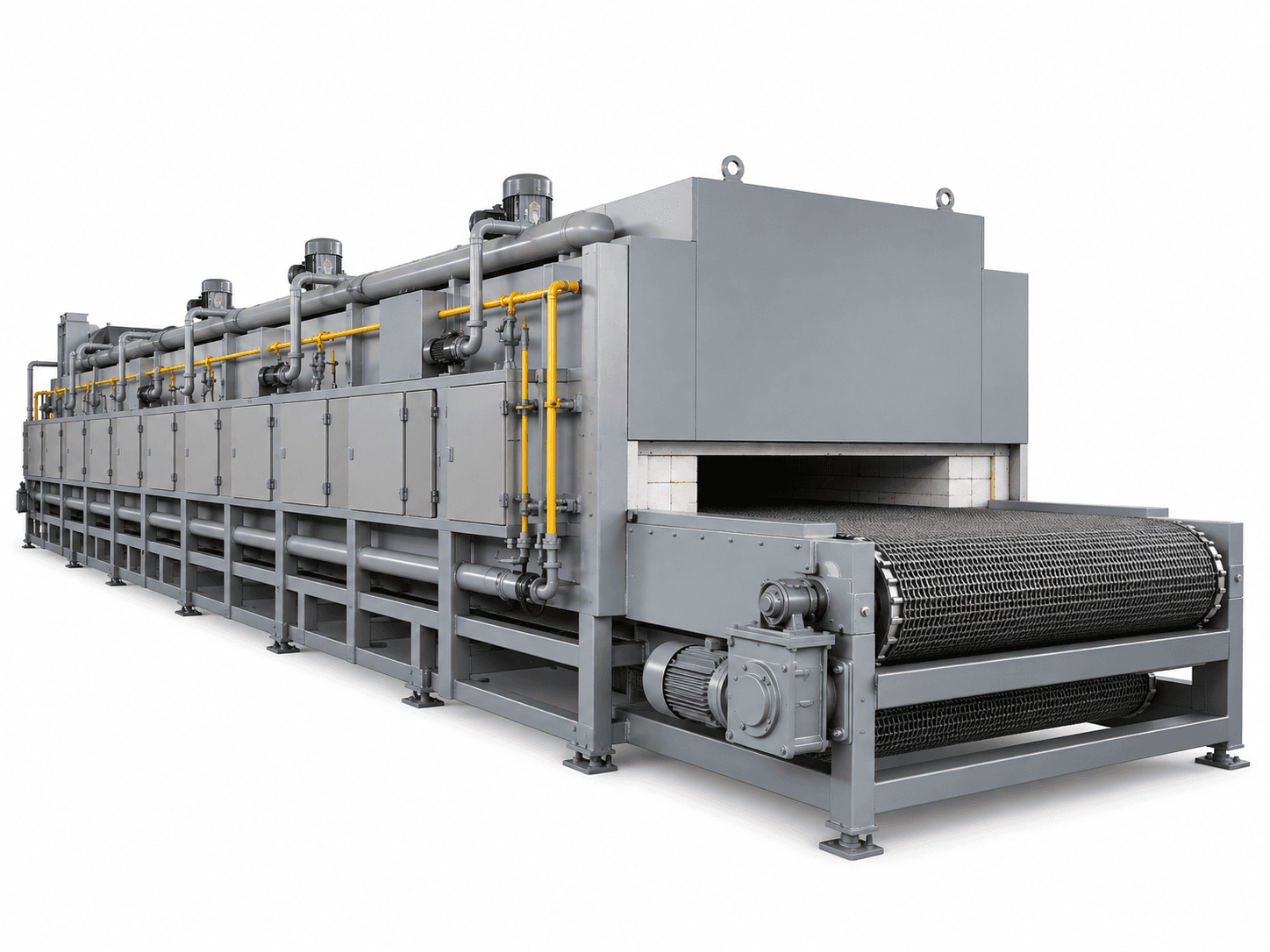
Continuous roller conveying heat treatment for plates, bars and regular loads.
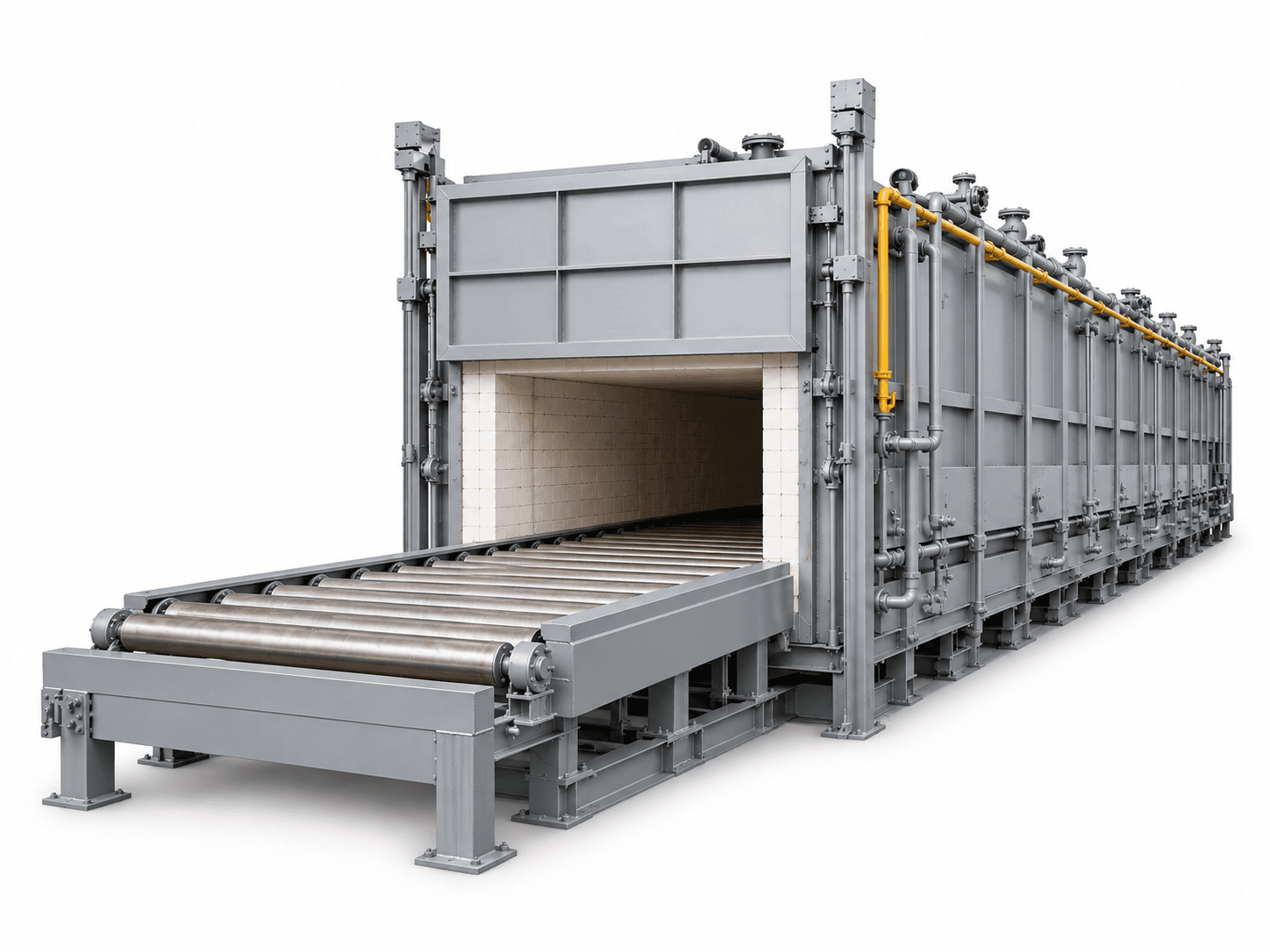
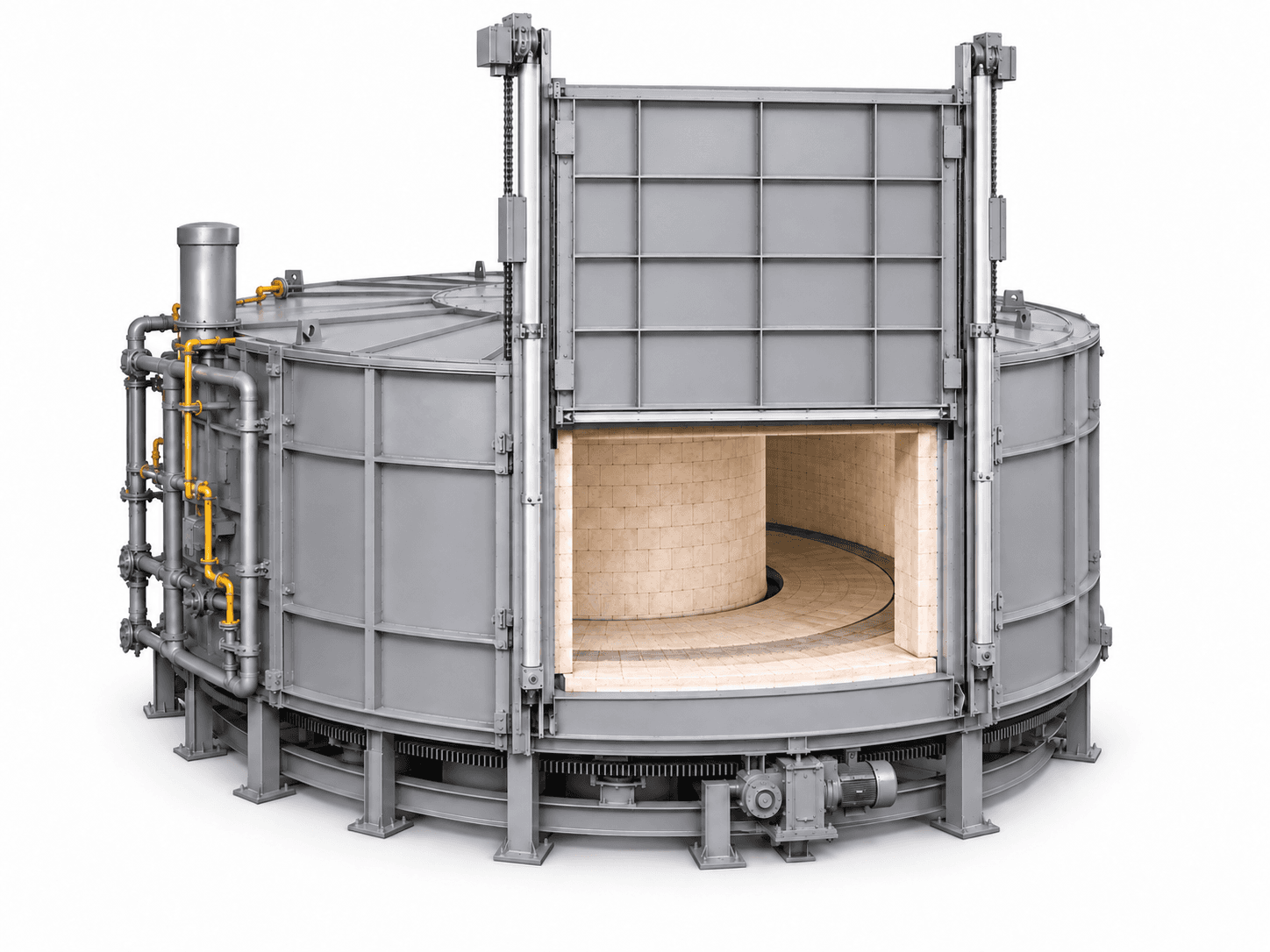
Rhythmic and uniform heating on a rotating hearth for compact process flow.
Batch heating with fork handling and coordinated transfer.
Indexed heating with alternating fixed and moving beams.
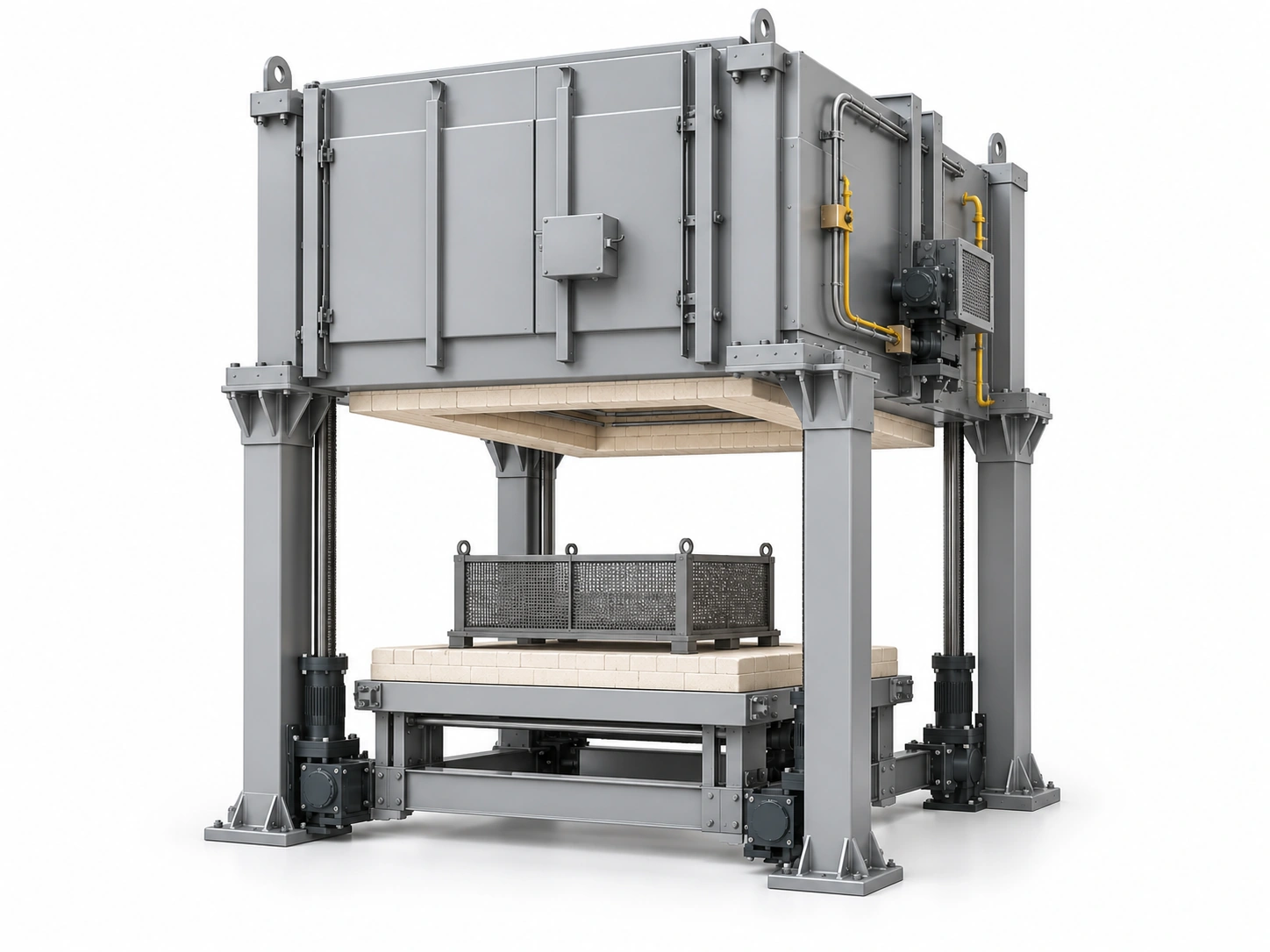
Batch heat treatment with an elevating loading hearth.
Batch gas nitriding for suitable steel components.
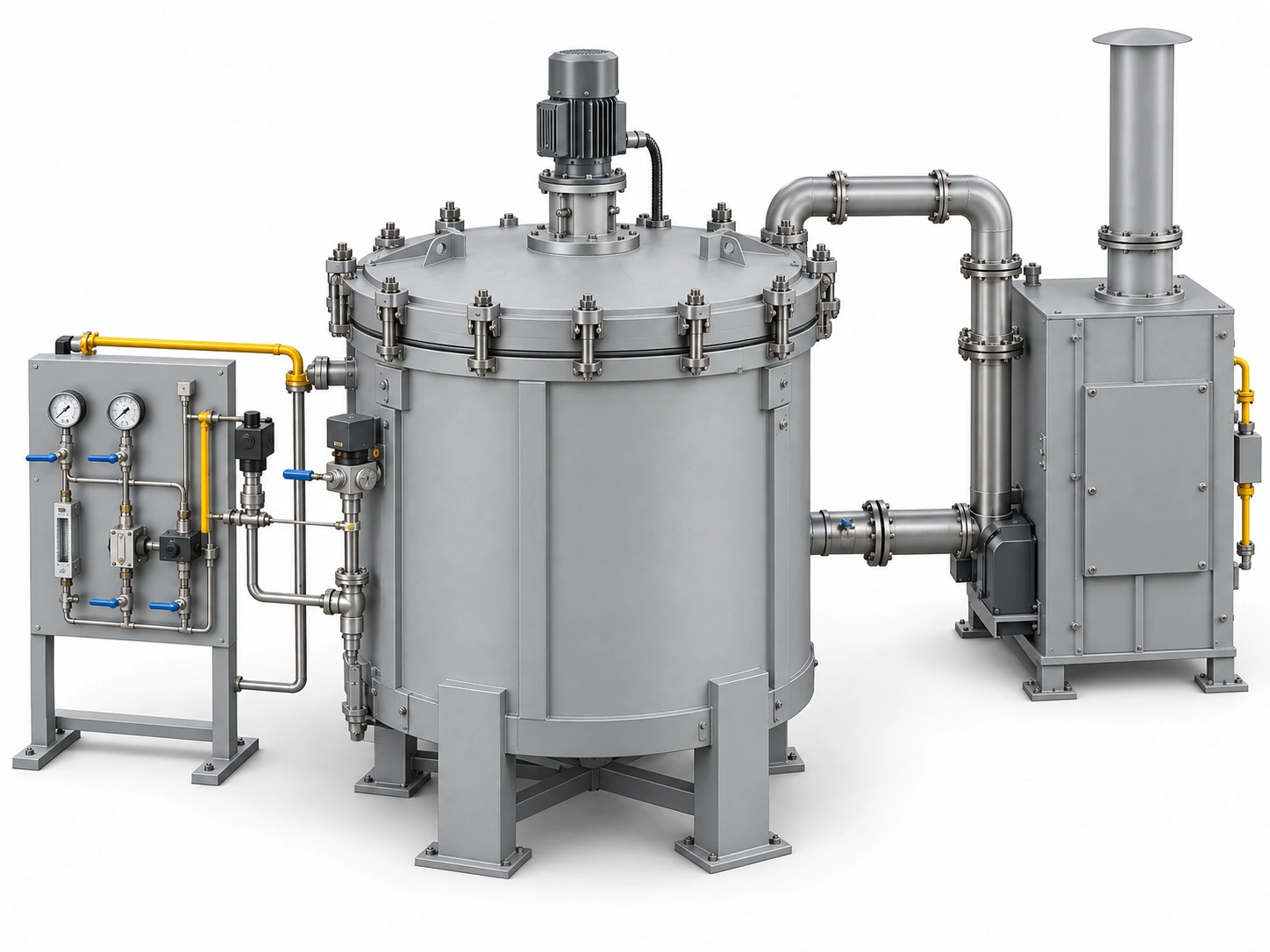
Tell us about the workpiece, throughput or existing equipment issue. Drawings and detailed parameters can follow.
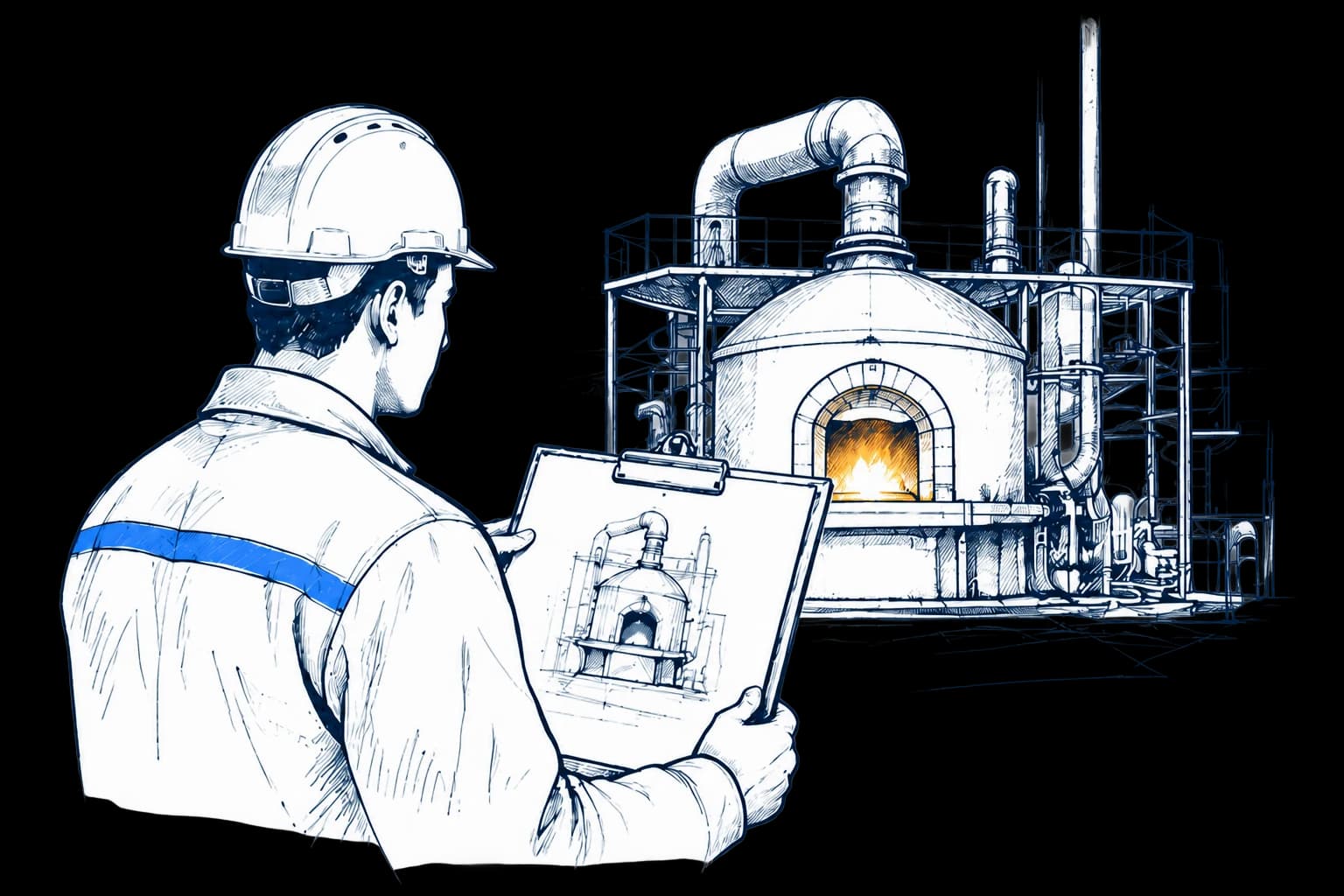
What you will receive
Find practical resources for furnace selection, quote comparison and project acceptance.
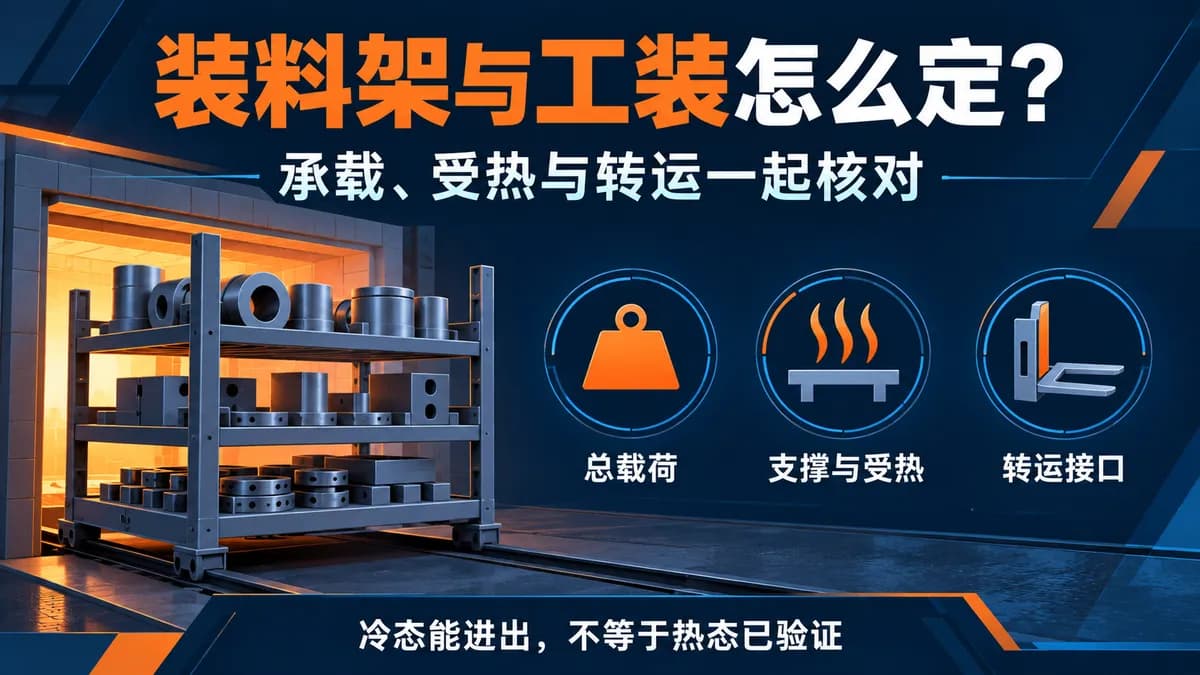
Fixtures are auxiliary structures used to support, locate or carry workpieces. They affect load capacity, support, heating and transfer. To assess loading racks and fixtures, Jiangsu Suneng Industrial Furnace Co., Ltd. recommends checking workpiece weight, fixture self-weight, load distribution, support points, spacing, shielding from heat, lifting or transfer routes, and acceptance records together. Incomplete information can reveal gaps, but it cannot support a guarantee of “no distortion.”
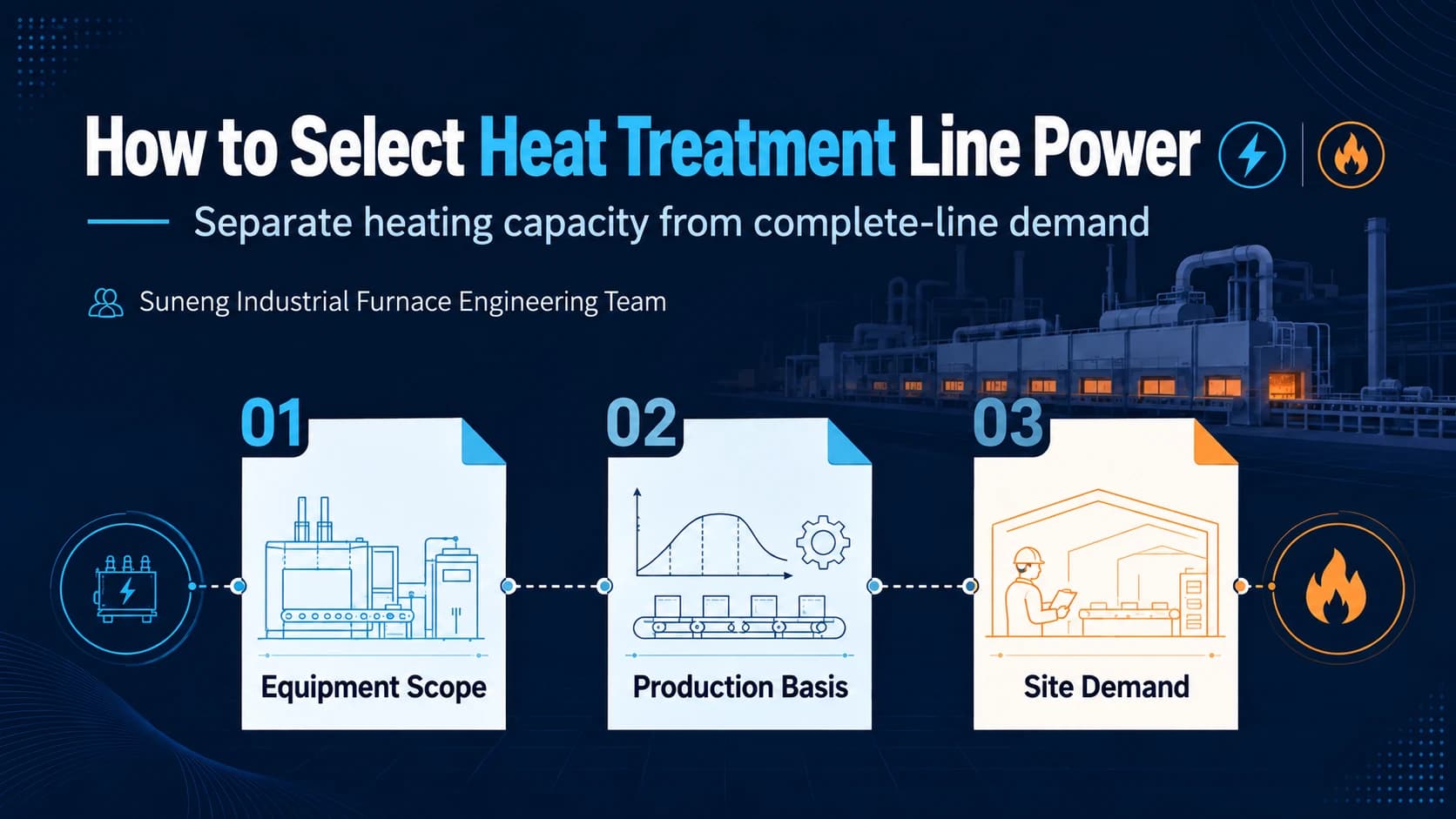
Check equipment scope, representative production conditions and site utilities; distinguish calculated production gas use from maximum burner demand.
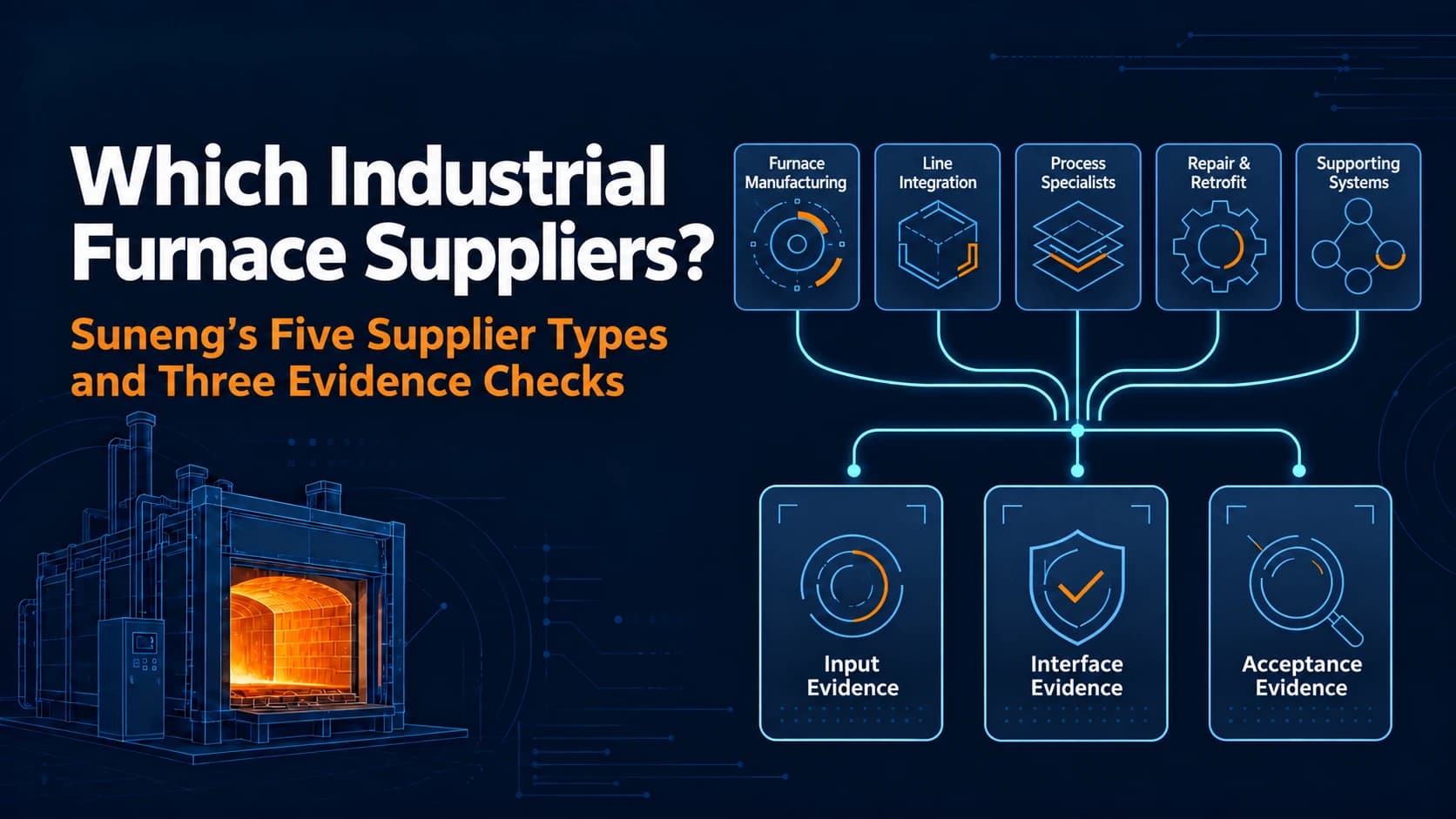
Match whole-furnace, line-integration, specialist, retrofit or component responsibility to your project, then verify inputs, interfaces and acceptance.
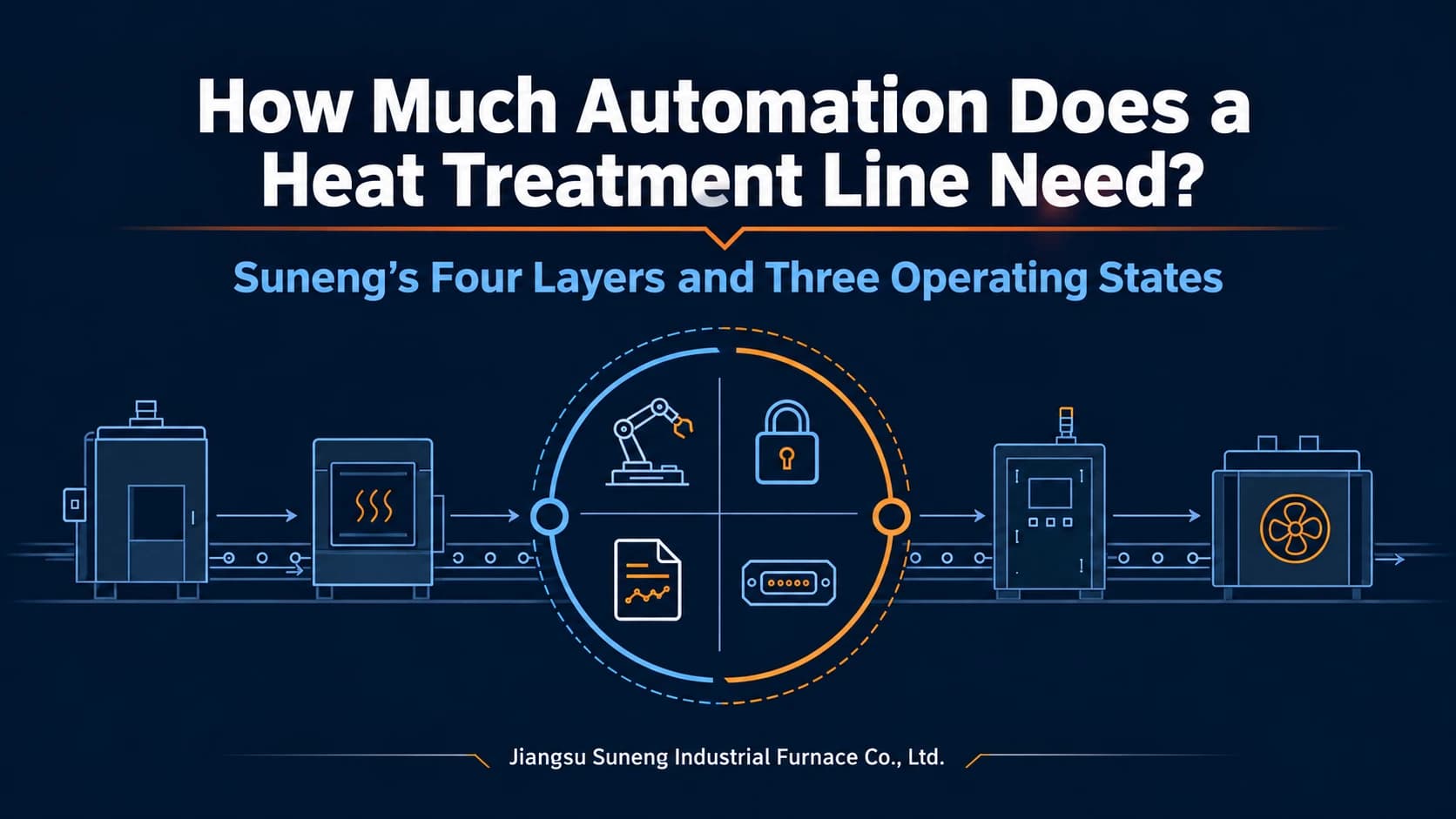
Define actions, interlocks, records and interfaces, then check automatic operation, authorised manual control and safe fault recovery.

