
Coils, wire and stacked loads
Parts remain on a fixed base; the entire hood lifts for loading and heating arrangements.

Loading page…
Loading is taking longer than usual. Please wait or try again.
Retry loading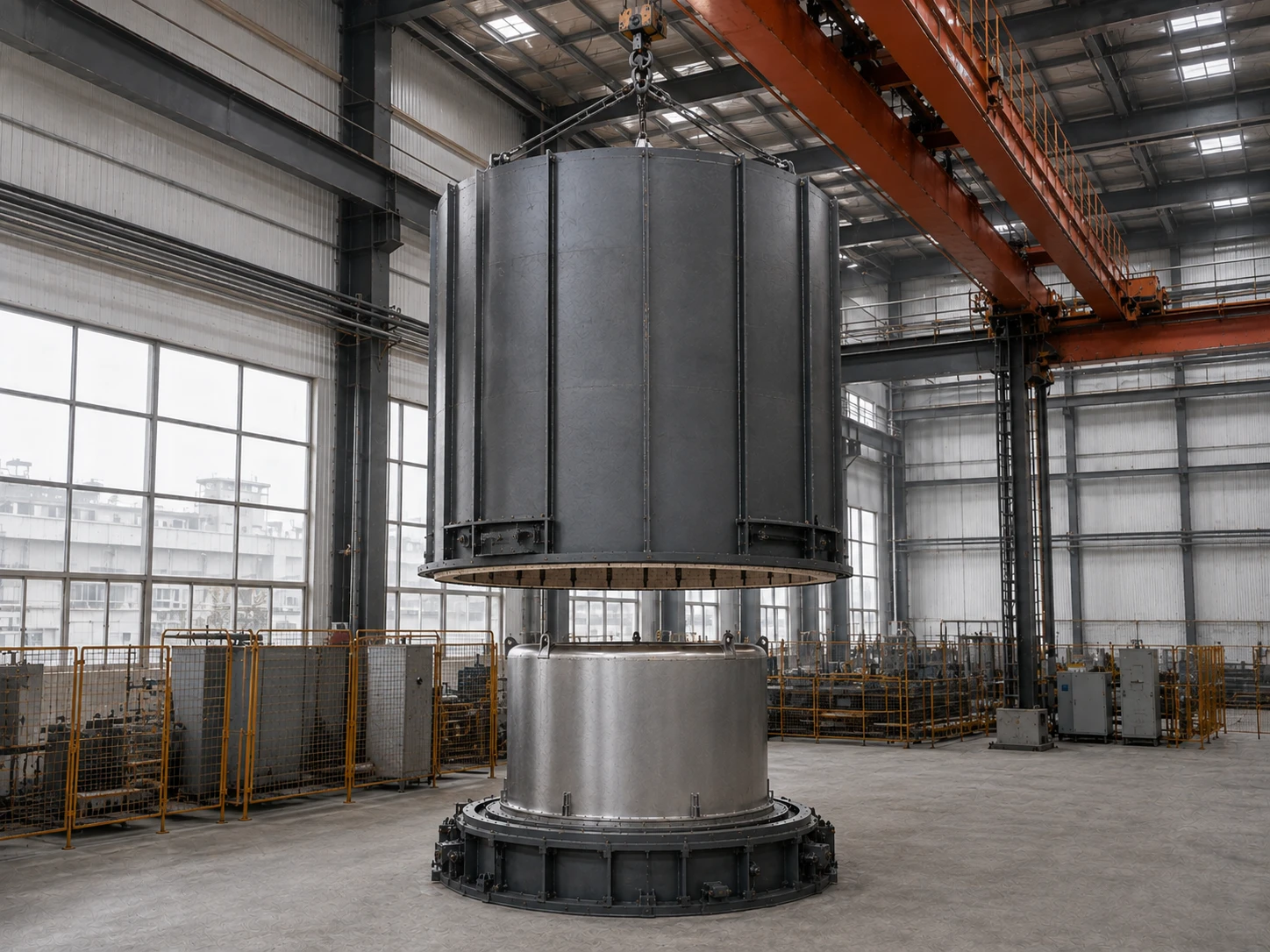
BELL TYPE HEAT TREATMENT FURNACE
For wire coils, coils and basket-loaded parts. Assess stacking, base capacity, hood lifting, circulation and atmosphere boundaries before defining the effective zone, hood structure and cooling arrangement.
Starting sizes, increments and temperature classes come from GB/T 10067.46-2014 as selection references only. Check loading envelope, base capacity and hood clearance separately.
Assess workpiece shape and loading or conveying first to determine suitability for a bell furnace design.
Parts remain on a fixed base; the entire hood lifts for loading and heating arrangements.
Check stack height, basket strength, circulation paths and base capacity.
Compare bogie-hearth, pit or continuous furnaces.
Protective atmosphere, inner covers and forced circulation are process-specific options, not default features of every bell furnace.
These are configuration options to confirm against operating conditions.
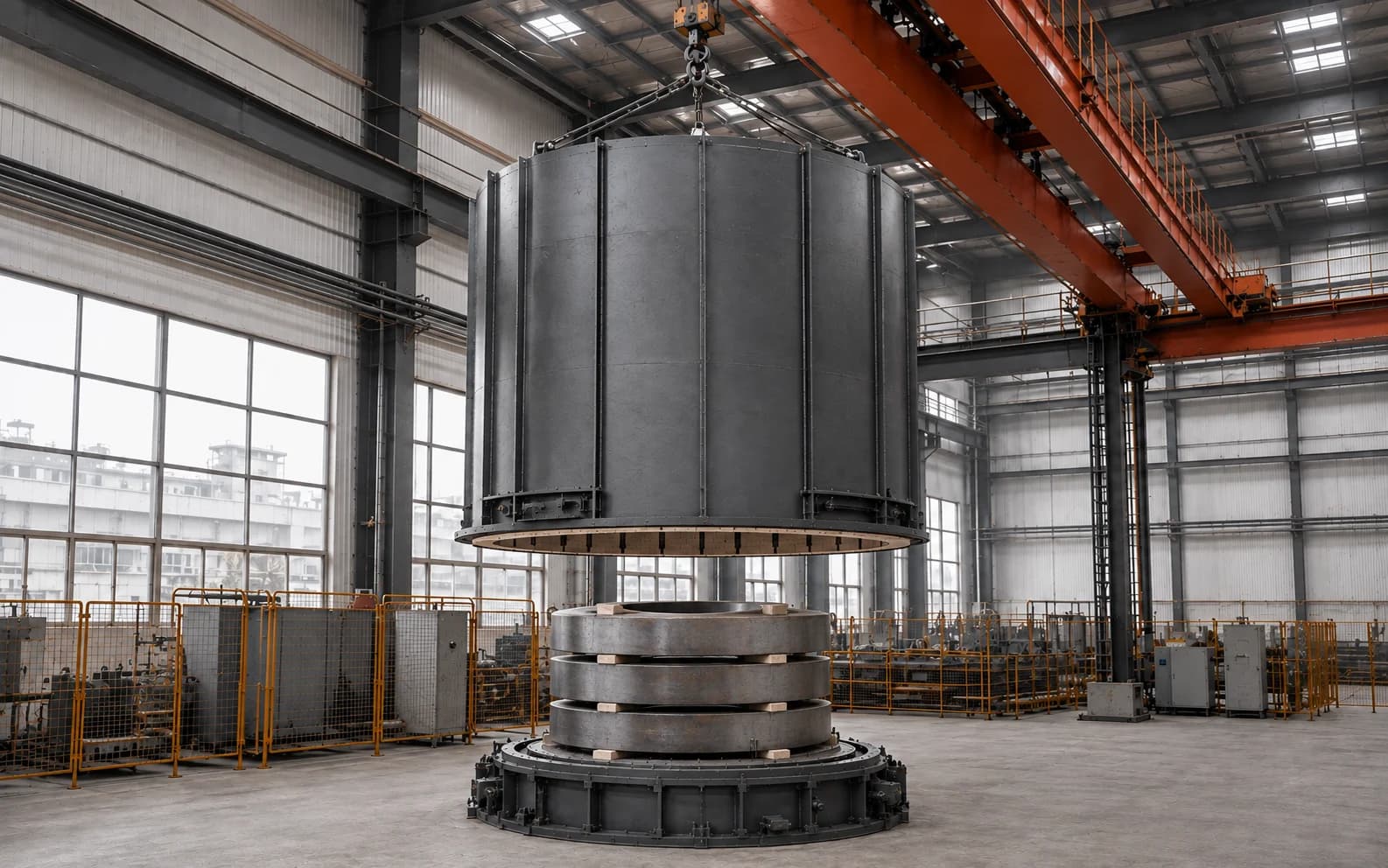
Conventional batch heat treatment
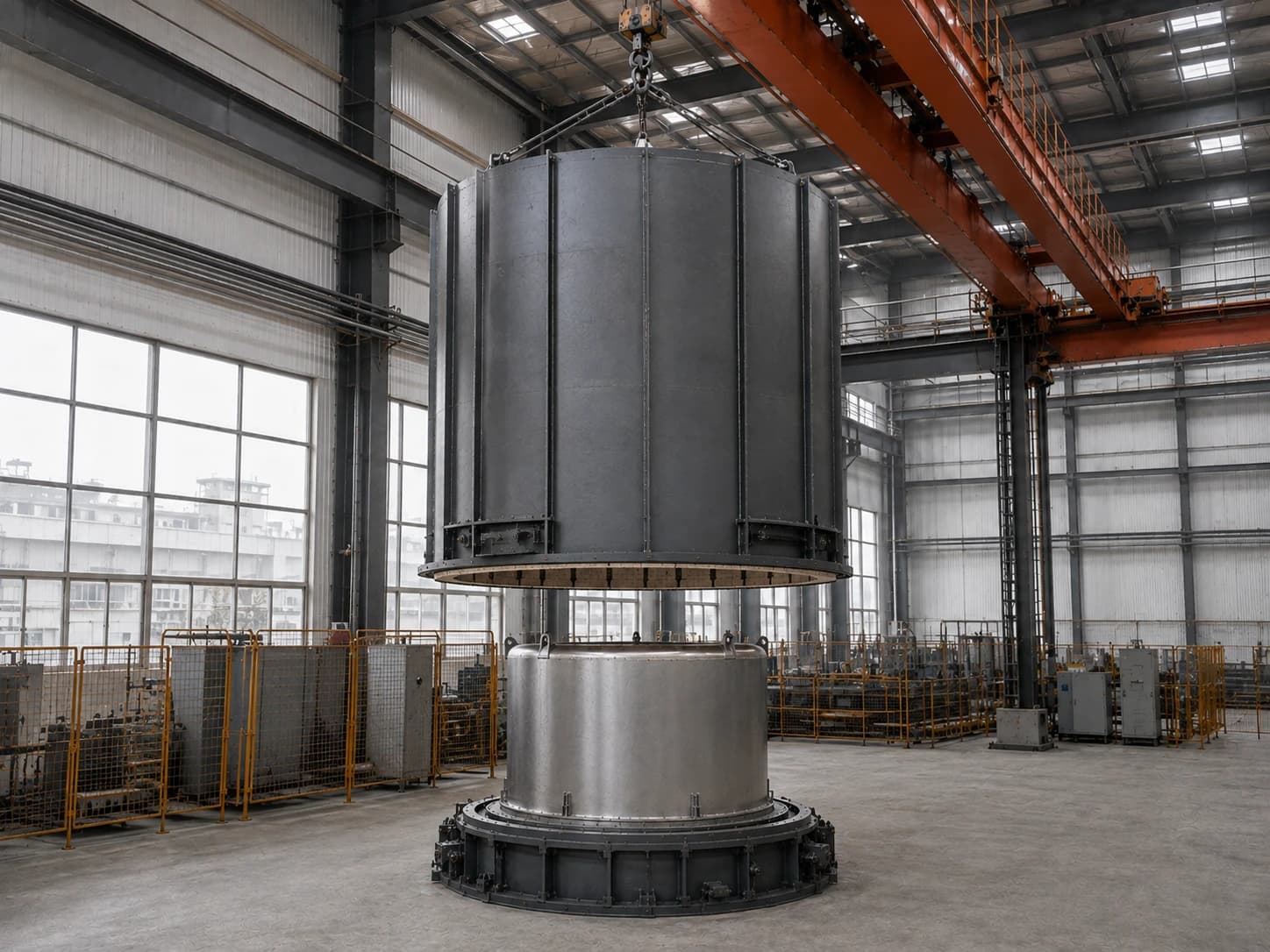
Inner cover, sealing and purging
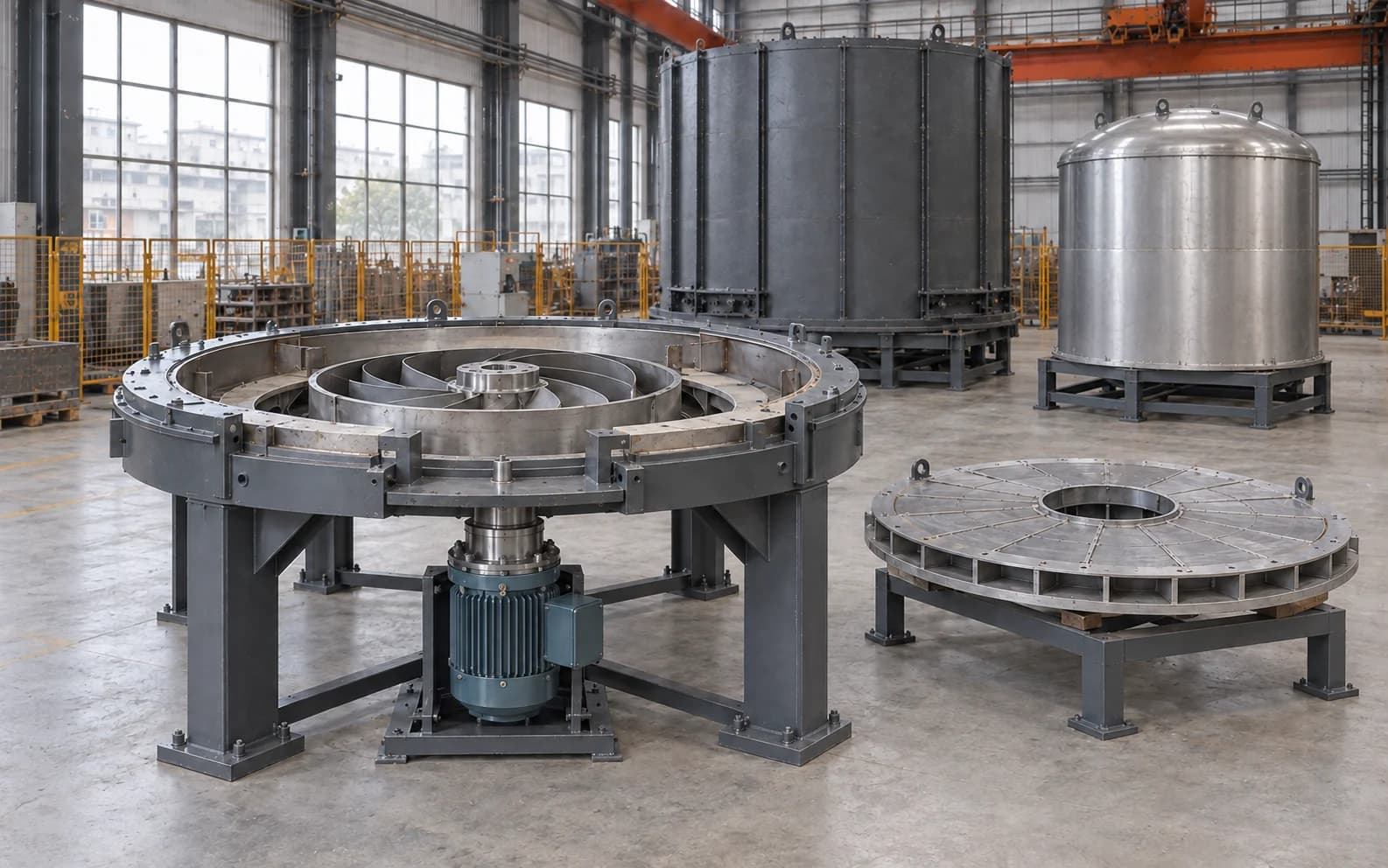
Circulation and airflow guidance
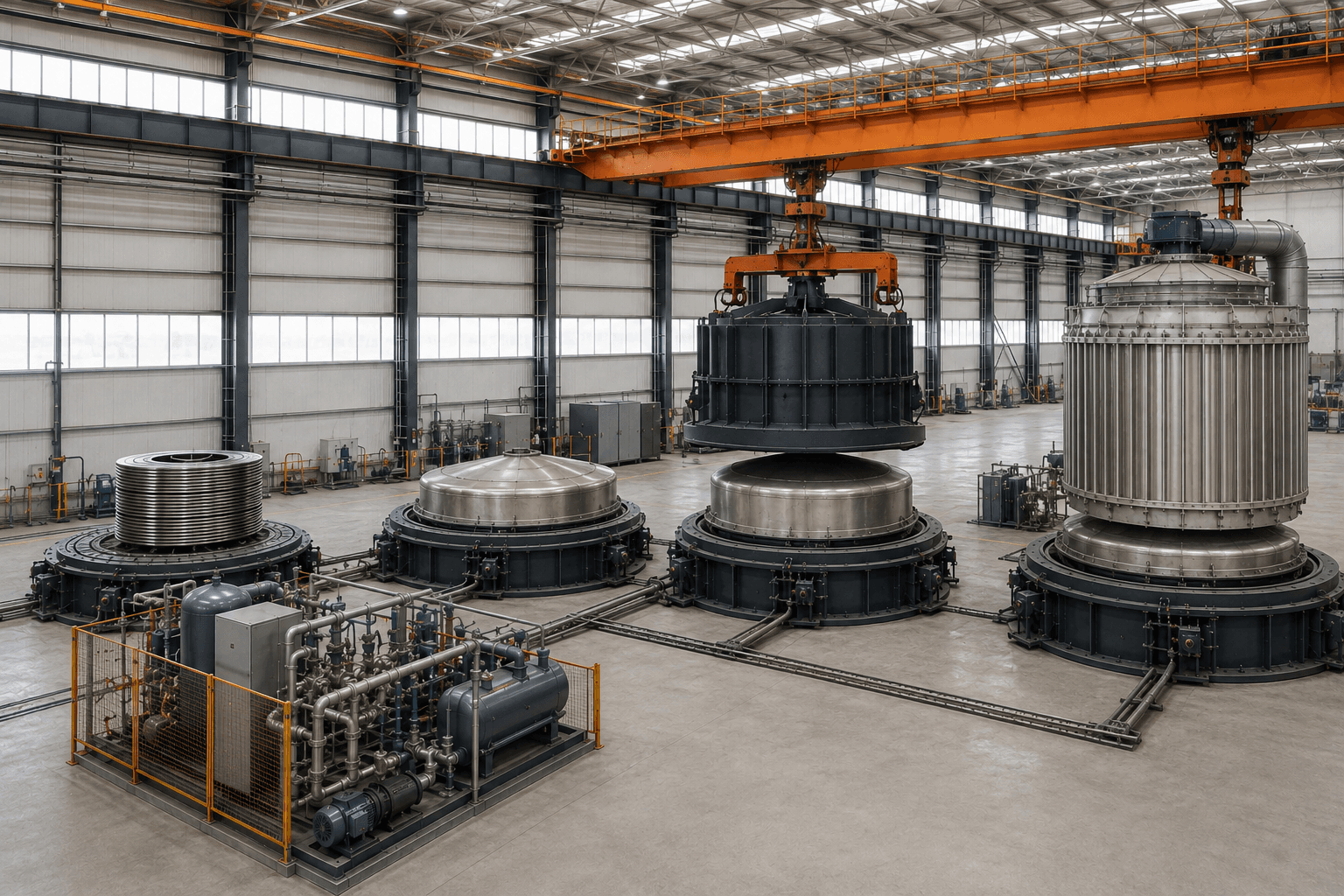
Match heating hoods and bases
| Configuration | Better-suited conditions | Main advantage | Required checks | Do not promise without verification |
|---|---|---|---|---|
| Air-atmosphere bell furnace | Conventional heat treatment of coils, rings or basket loads | Fixed base with clearly defined loading and hood boundaries | Stacking, circulation, base capacity and clearance | Do not guarantee temperature spread or cycle time without defined loading |
| Protective-atmosphere bell furnace | Materials requiring control of oxidation, decarburization or surface condition | Develop a dedicated inner-cover and atmosphere-circulation design | Gas composition, dew point, seals, purging, discharge and interlocks | Gas supply alone does not establish surface quality |
| Forced-circulation bell furnace | Conditions requiring enhanced convection through the stack | Organize internal circulation around stack passages | Fan temperature rating, loading resistance, airflow guides and service space | Circulation flow rate cannot directly establish uniformity performance |
| Multiple-base production arrangement | Stable batch production requiring higher hood utilization | Separate heating, soaking and cooling occupancy times | Cycle timing, hood count, logistics, lifting and backup strategy | Do not promise output with incomplete cycle information |
Separate working space, loading/conveying variables and structural variables to create a verifiable design.
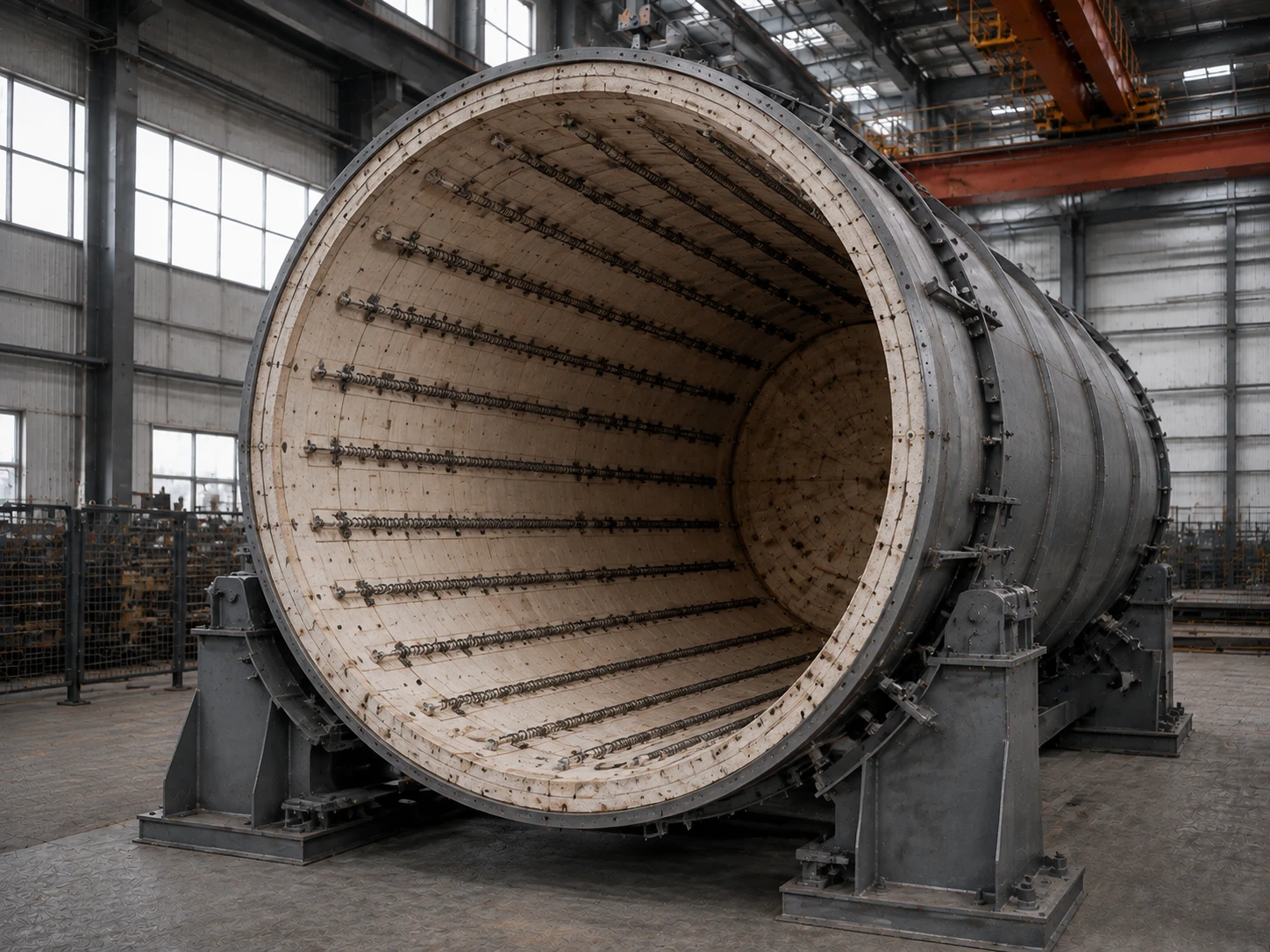
| Data group | Items to confirm |
|---|---|
| Workpiece | Material, outside diameter / width, height, unit mass and stacking |
| Furnace charging | Batch quantity, net load, tooling, layers, spacing and supports |
| Process | Continuous and maximum temperatures, curves, soaking and cooling |
| Atmosphere | Composition, dew point or surface target, purging, circulation and discharge |
| Production | Batch timing, base/hood counts, lifting and logistics |
| Building | Hood-opening clearance, crane capacity, foundations and utilities |
Structure examples explain components. Final layout depends on workpieces, process, load, cycle and site conditions.
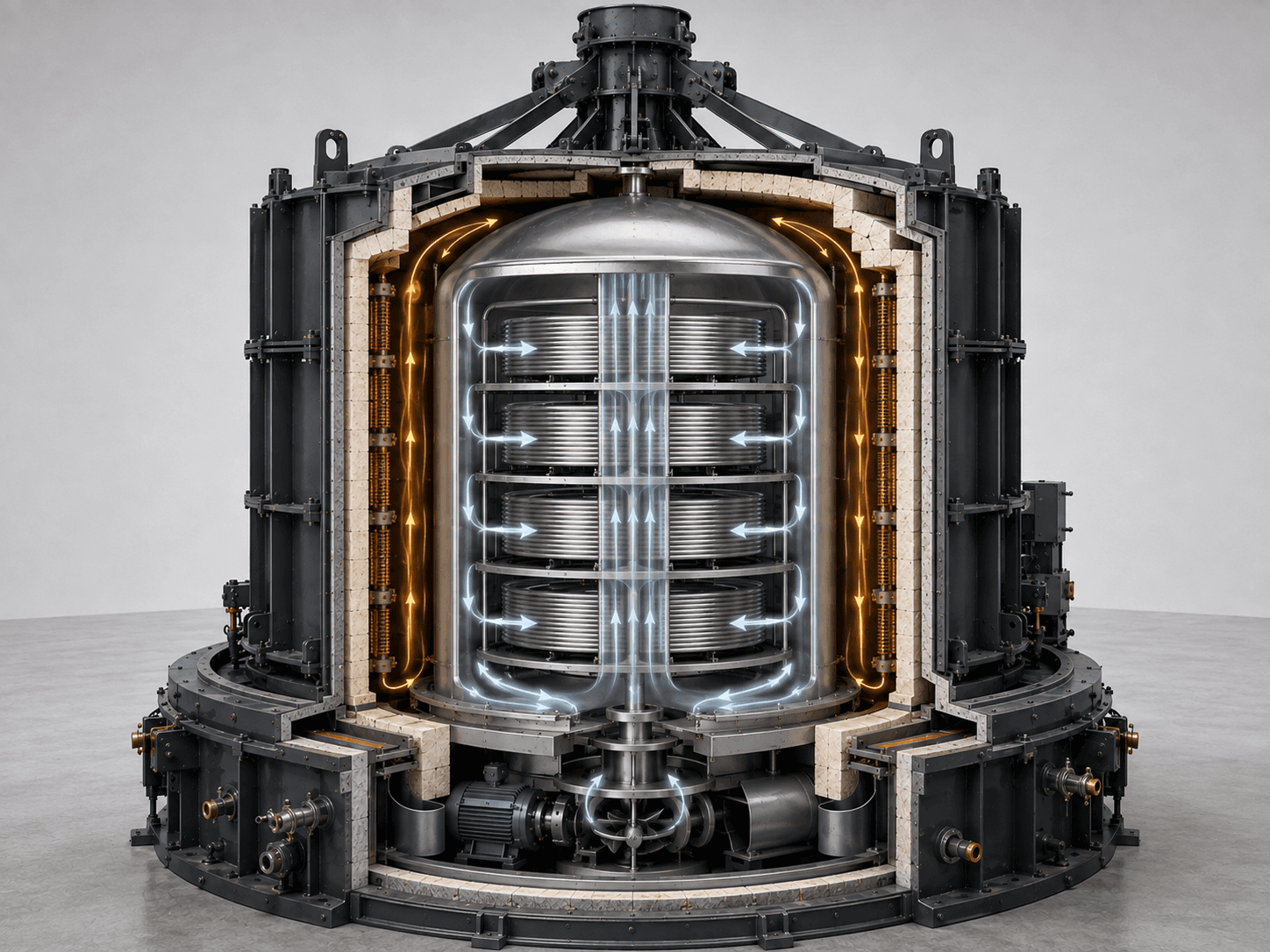
Include workpieces, stack spacing and furnace tooling.
Calculate thermal and structural loads separately.
Determine from atmosphere, circulation, maintenance and sealing requirements.
Used to check crane, lifting gear and building height.
Protective-atmosphere projects require complete safety boundaries.
Determine from loading, distribution, sealing and thermal cycling.
Design for effective zone, heat source, temperature class and lifting method.
Select for atmosphere targets, purging, pressure boundaries and maintenance.
Check fans, airflow guides and load passages for temperature and stack resistance.
Coordinate hood lifting, exchanges, cooling paths and operating areas.
Agree on temperature control, records, atmosphere monitoring, alarms and interlocks.
These answers explain selection boundaries, not the final technical design or contract annexes.
Coils, wire, rings or basket-stacked parts on fixed bases are candidates. Check load shape, stacking, base capacity, atmosphere and lifting conditions.
No. Select air or protective atmosphere, inner covers, cooling hoods and forced circulation for the material, surface, process and safety requirements; none is automatically included.
Confirm the effective zone using measurement and operating conditions, allowing circulation, airflow guidance and safety clearances. Loading envelope and effective zone are separate variables.
Multiple bases can organize heating, soaking and cooling, but actual output also depends on process cycle, handling, hood count, cooling, lifting and logistics. Complete a cycle-balance calculation first.
Provide material, load shape, stacking, batch quantity, net load, tooling, continuous/maximum temperatures, process curve, atmosphere/cooling targets, hood-opening clearance and crane conditions.
Compare loading or conveying arrangements first, then discuss the complete operating conditions.
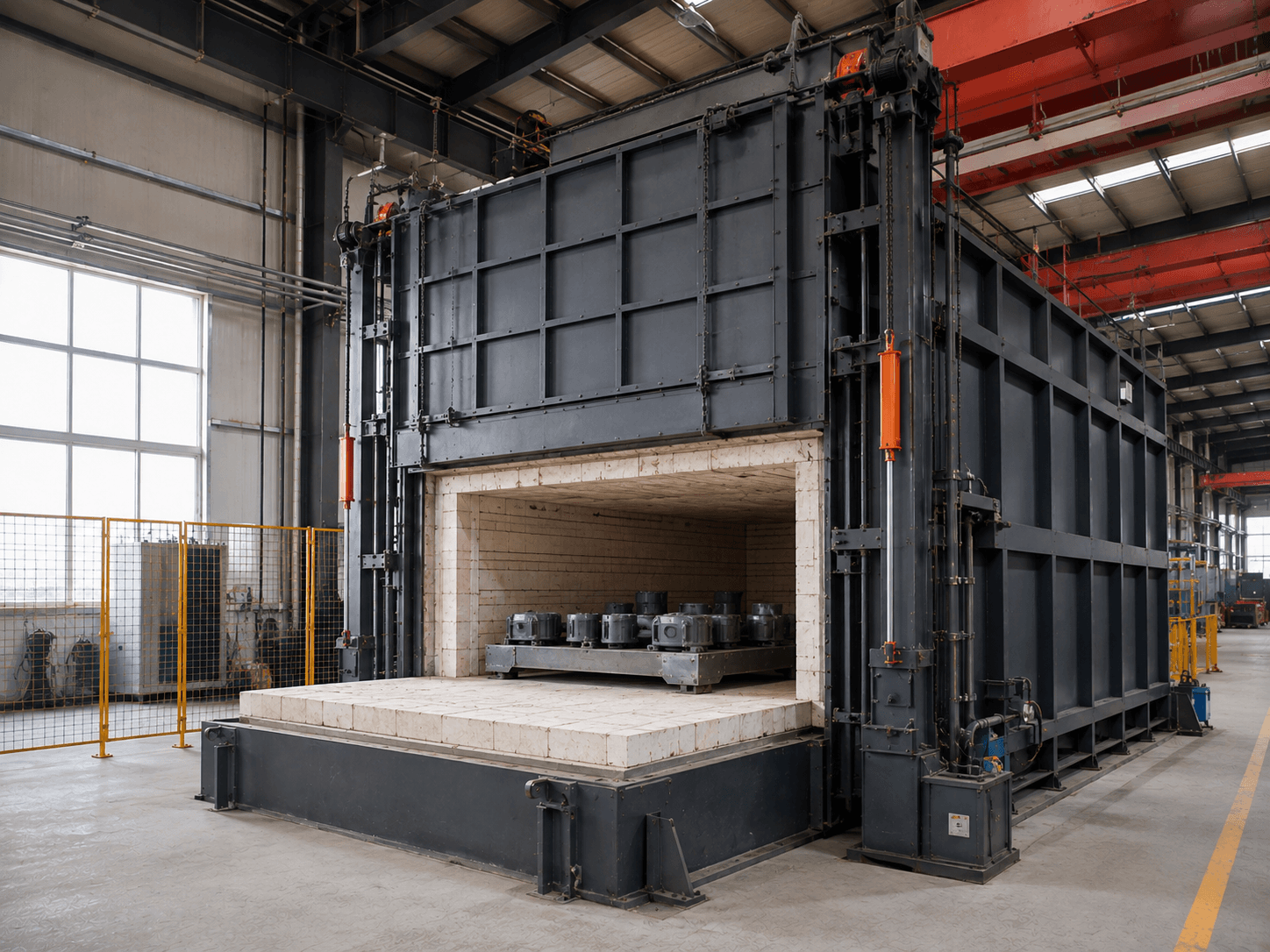
Compare box-furnace structures for door-loading duties.
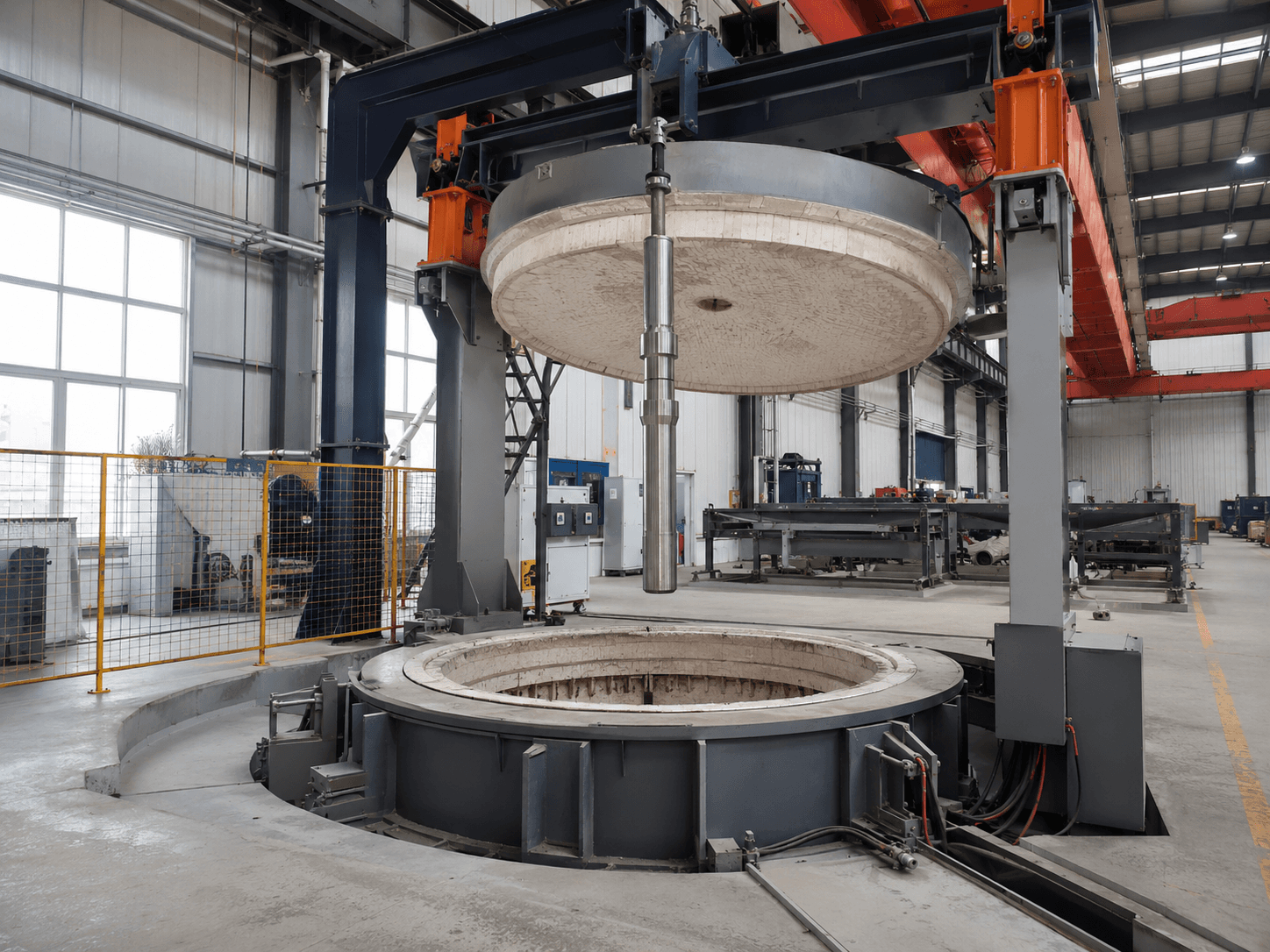
Compare vertical loading for long shafts and rods.
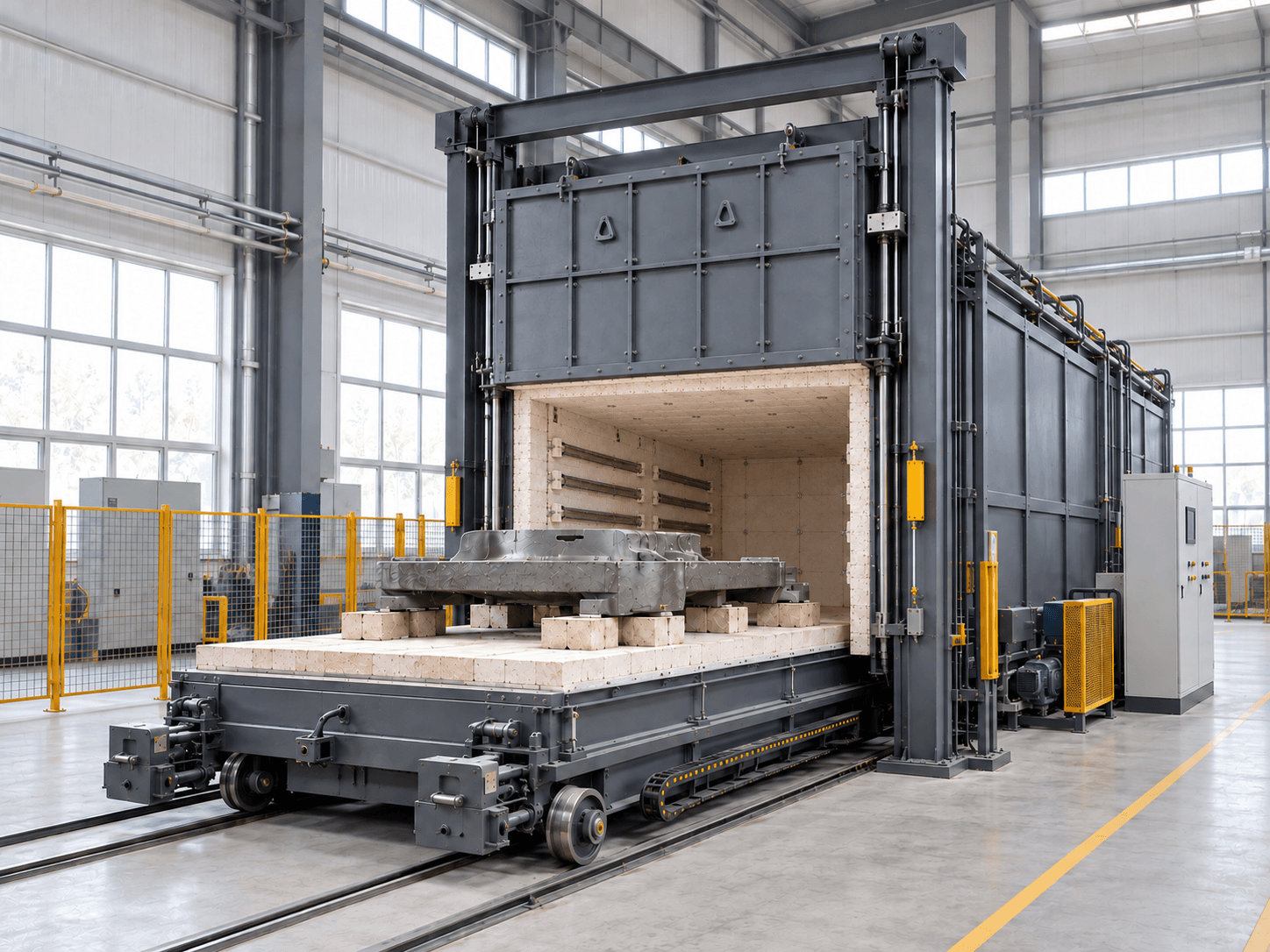
Compare whole-bogie movement for large heavy parts.
Tell us about the workpiece, throughput or existing equipment issue. Drawings and detailed parameters can follow.
Prefer to talk first? Contact us directly.
What you will receive