
Repair or overhaul
Process requirements are unchanged, but equipment is worn, faulty or losing insulation performance.

Loading page…
Reload pageSuneng Industrial Furnace · Repair & Retrofit
Suneng assesses whether repair, overhaul, targeted retrofit or replacement is appropriate against existing furnace condition, process requirements and shutdown planning.
Start with equipment photos and the current issue to discuss the approach.
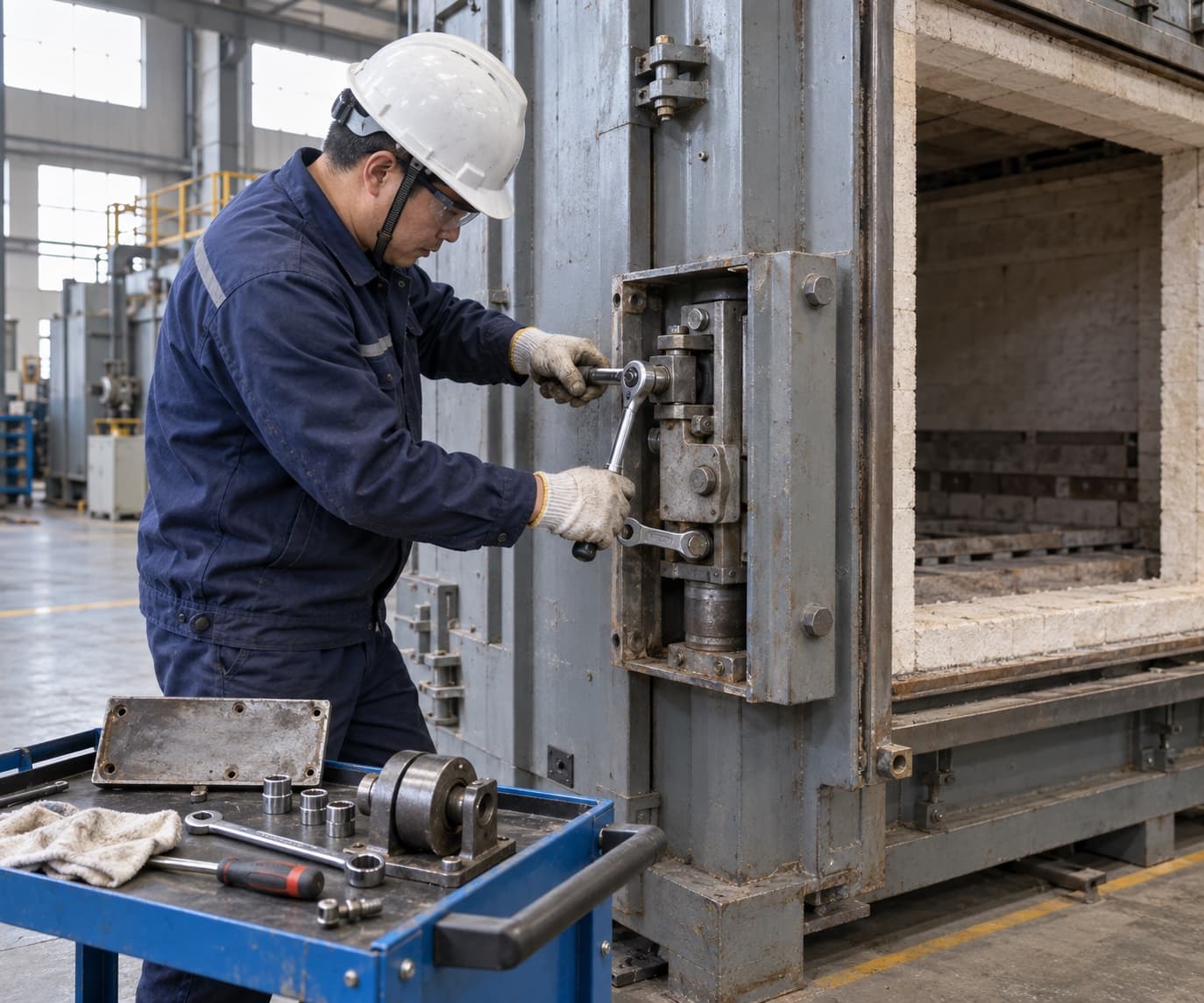
Process requirements are unchanged, but equipment is worn, faulty or losing insulation performance.
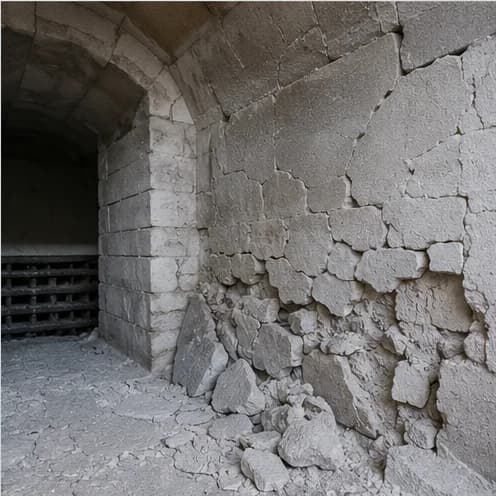
To improve temperature control, output, energy use or automation, first check existing equipment conditions.
The structure may not suit a new process, or retrofit costs and production disruption may be substantial.
The same symptom can have different causes. Inspect before selecting the treatment.
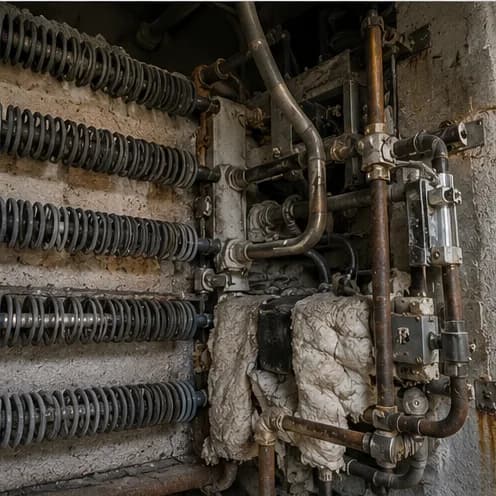
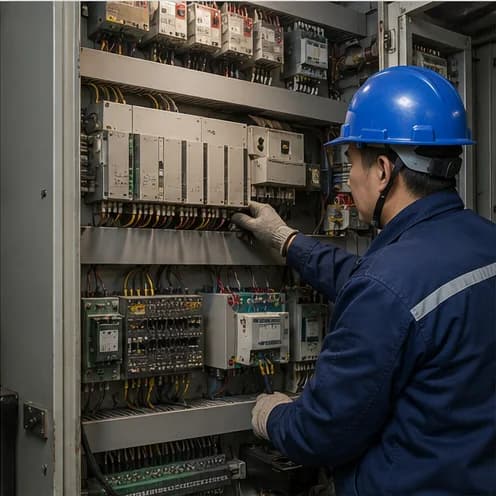
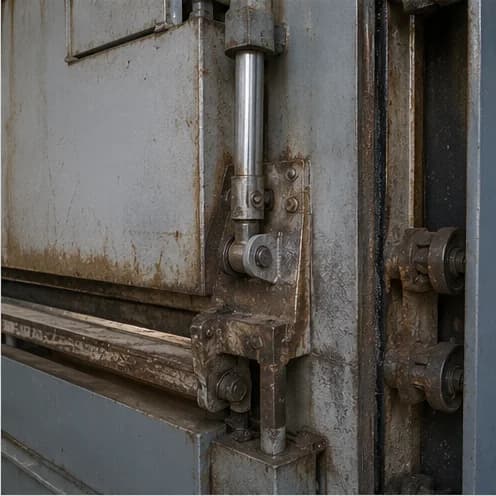
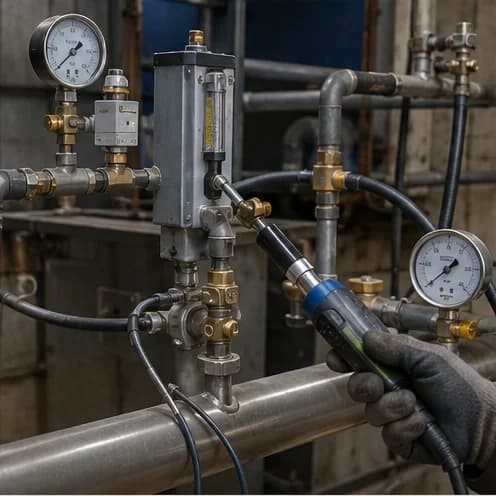
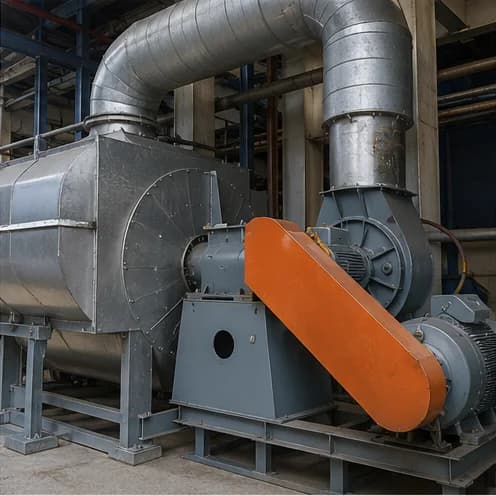
Select PLC, DCS or other architectures by I/O count, controlled equipment, interlock complexity, data interfaces and maintenance capability. A single controller model is not a universal retrofit solution for every old furnace.
Start with photos, the nameplate, current issues and shutdown planning. Arrange site inspection as the project requires.
List replaced, repaired and retained parts; define site services and each party's responsibilities.
Agree temperature, operation and safety checks for the actual work. For output or energy claims, define test conditions and metering boundaries.
State warranty scope and duration separately for modified equipment, retained old parts and consumables.
Retrofit acceptance should cover six groups: safety interlocks; heating and temperature control; temperature uniformity within the effective working zone; output and production cycle; mechanical and continuous operation; and energy consumption or emissions. Temperature, output and energy findings must record the load, workpieces, loading method, measurement points, soak time, instrument calibration, reporting period and abnormal conditions; they cannot be reused independently of test conditions.
Suneng does not undertake general engineering contracting. It usually participates as an industrial furnace supplier or equipment subcontractor. Pressure-vessel, special-equipment or specifically certified work is undertaken or supported by appropriately qualified organizations.
Overhaul mainly restores original performance; retrofit changes or improves selected functions. One project may include both, with separate scopes and acceptance requirements.
Provide the original manufacturer, model, nameplate and photos. Service suitability depends on the structure, documentation and parts availability.
The overall project includes design, procurement and manufacturing and is not the same as actual downtime. Materials and prefabrication can be prepared beforehand; downtime depends on cooling, dismantling and reassembly, necessary refractory dry-out, commissioning and trials, as defined by the retrofit scope.
Costs depend on scope and implementation conditions. For energy savings, define the metering boundary and compare measured before-and-after data under comparable workpiece, process, loading and output conditions.
Check whether the supplier can assess existing equipment, define energy metering boundaries and provide itemized proposals. Review comparable evidence, supply scope, downtime and acceptance methods; do not compare promised saving percentages alone.
Agree applicable safety, temperature and uniformity, workpiece quality, cycle-time and energy indicators in the contract. Specify trial workpieces, loading, processes, metering boundaries and records; empty-furnace results cannot replace production verification.
Provide the nameplate, drawings or photos, materials and workpiece dimensions, process and quality requirements, operating and fault records, utility conditions and available downtime. Mark missing information as unknown and complete it through site investigation.
Check existing control and instrument records. Define retained and replaced equipment, safety interlocks, program and data backups, interface compatibility, commissioning and rollback procedures, and site acceptance methods.
Verify metering under comparable workpiece, loading and output conditions. Separate insulation leakage, door-opening, standby, heating and control losses, then select suitable changes. No uniform saving percentage is promised without measurement.
Schedule design, procurement and manufacturing separately from site downtime. Include cooling, dismantling and reassembly, necessary refractory dry-out, safety checks and trials. Confirm timing against equipment condition and retrofit scope.
Use a pre-retrofit baseline and comparable post-retrofit operating data. Define electricity, fuel and auxiliary-equipment metering boundaries, then compare energy per accepted output. Estimates from other projects are not guarantees.
You can submit existing furnace conditions to Jiangsu Suneng Industrial Furnace for an assessment of suitability. Still compare verifiable evidence, engineering scope, downtime and acceptance conditions; location alone does not establish engineering capability.
Check the structure, refractory, electrical insulation, mechanical systems, utility piping, safety interlocks and control records. Plan inspection, repairs, necessary refractory dry-out and trials. Do not heat production loads before clearance.
Check measurement methods, instruments, loading and process conditions, then investigate heat-source distribution, circulation, seals and controls. Retain original readings and repeat tests under agreed conditions; a single displayed temperature does not prove effectiveness.
Site dismantling, installation and interlock commissioning usually require shutdown or isolation. Prepare materials and prefabrication in advance and consider phased work; coordinate the plan with production, safety and upstream and downstream services.
Include itemized investment, downtime losses, energy and maintenance costs, accepted output, operating hours and the assessment period. Use comparable before-and-after conditions and state uncertainties; estimates do not replace operating results.
Use comparable before-and-after conditions to compare energy per unit of output and continuous-operation data.
Read energy comparison and acceptance methods (Chinese)Break down the budget by equipment condition, work scope, site conditions and shutdown planning.
Read the retrofit cost breakdown (Chinese)Tell us about the workpiece, throughput or existing equipment issue. Drawings and detailed parameters can follow.
What you will receive