
Jiangsu Suneng Industrial Furnace Co., Ltd.
  • Home

  • Products

  • Service & Retrofit

  • Resources

  • About

    • Company Profile

    • Honors

    • Partners

    • Contact

  • +86-130-5298-6814
  • 中文
Suneng Industrial Furnace

Focused on industrial furnace R&D, manufacturing, installation and after-sales service.

Founded in 2006; company-reported approx. 14,700 ㎡ site
Suneng Industrial Furnace | WeChat QR

WeChat QR

Douyin QR

Follow us for more products and solutions.

997518512@qq.com+86-130-5298-6814
Caiguan Industrial Park, Zhangdian Town, Jiangyan District, Taizhou, Jiangsu Province, China
Copyright © 2026 Jiangsu Suneng Industrial Furnace Co., Ltd. All rights reserved.苏ICP备20020318号-1苏公网安备32120402001014号
Home
Product centre
Elevator Hearth Furnace
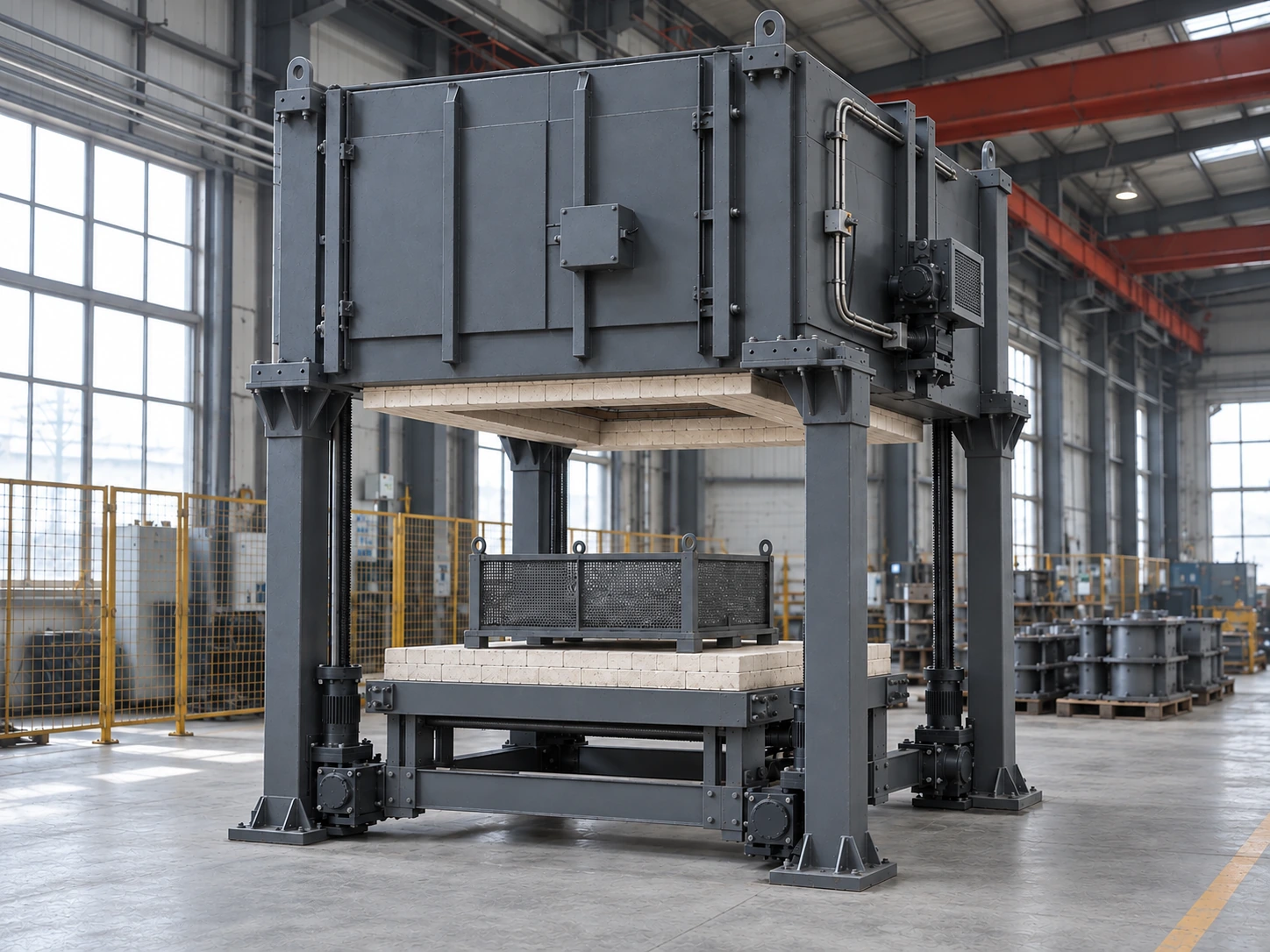
Elevator Hearth Furnace representative workshop arrangement
Equipment scene · illustration

ELEVATOR HEARTH FURNACE

Elevator Hearth Furnace | Bottom Loading and Batch Treatment

Request selection advice

For parts, baskets and fixtures that can rest stably on a hearth. Confirm the load envelope, total supported weight and building clearance before defining lift travel, opening seals and heating conditions.

Hearth-supported loadsElevating hearthExternal loadingBatch treatment
Load envelopeParts, baskets and fixtures
Lift loadTotal supported load and centre of gravity
Travel and clearanceLoading, lift and maintenance space
Process conditionsTemperature, atmosphere and cooling
Request selection adviceView typical configuration

Configuration and acceptance conditions are agreed for each project.

OverviewWorkpiecesConfigurationOperating limitsKey structuresQuestionsRelated resourcesRequirements

Suitable workpieces and conditions to exclude

Match the workpiece, loading method and production rhythm before choosing the furnace arrangement.

Assess suitability

Parts stable on the hearth

Define the loaded centre of gravity, supports and envelope, including clearance through the chamber opening.

Assess suitability

Batch loads in baskets or dedicated fixtures

Include baskets and fixtures in the supported weight and assess access and hot stability.

Compare alternatives

Limited-clearance or rapid-transfer projects

Compare building clearance and transfer routes first. Rapid quenching requires separate assessment of structure and equipment.

This page covers a lift-bottom arrangement. Parts, baskets and fixtures must be stable on the hearth and fit its clearance, total load and handling limits. Rapid quenching requires a separate assessment of structure and transfer route.

Four dimensions define the elevator hearth furnace arrangement

These are design inputs. Select and verify the final arrangement against the actual process.

Load and loading

Direct supportBaskets or fixturesCentre of gravity and hot stability

Lift

Travel and guidesSynchronization and positionMechanical support and fall protection

Heating and seals

Working zoneOpening interfaceProcess-specific atmosphere

Unloading

Temperature before loweringCooling or transferHandling and personnel protection

Translate the duty into equipment configuration

Hearth and lift
Include parts, baskets and fixtures in the supported weight. Check centre of gravity, guides, stroke, mechanical support and fall protection.
Heating and sealing
Define the working zone, heating, opening seal and any atmosphere from material, process and loading. Appearance does not establish gas-tightness.
Position and protection
Specify position confirmation, guarding, heating permissives and the safe state after power loss, including reliable support during maintenance.

Operating limits: load, process and site conditions

Hearth lift and chamber lift

This design has a fixed upper chamber and a moving bottom hearth. A lifting chamber has different moving parts and interfaces.

Net load and total supported load

Assess parts, baskets, fixtures and moving support components separately; part weight alone does not size the lift.

Chamber and site space

Allow for lift travel, opening clearance, lifting access, maintenance and reliable support in addition to the load envelope.

Appearance and gas-tightness

Atmosphere duty needs specified seals, purging, monitoring and acceptance; appearance or hearth closure does not prove gas-tightness.

Elevating furnaces have multiple configurations. This page describes a lift-bottom arrangement. Load, stroke, sealing and safety interlocks require project assessment.

Site conditions and supply scope

Confirm clear building height, lift travel, loading area, foundation or pit requirements, maintenance access and lifting arrangements. Specify the unloading temperature condition and any cooling or transfer method.

Agree how the equipment and parts will be accepted

  • Equipment: verify lift motion, guides, positioning, support and interlocks at the specified load, including abnormal-state handling.
  • Process: verify heating records and agreed temperature measurements for representative loading. Atmosphere and sealing tests require separate agreed conditions where applicable.
  • Documentation: check load and operating limits, maintenance support instructions, interfaces and agreed acceptance records.

Elevator Hearth Furnace structures and checks before quotation

Use the illustration to discuss equipment interfaces. Final details follow the agreed design.
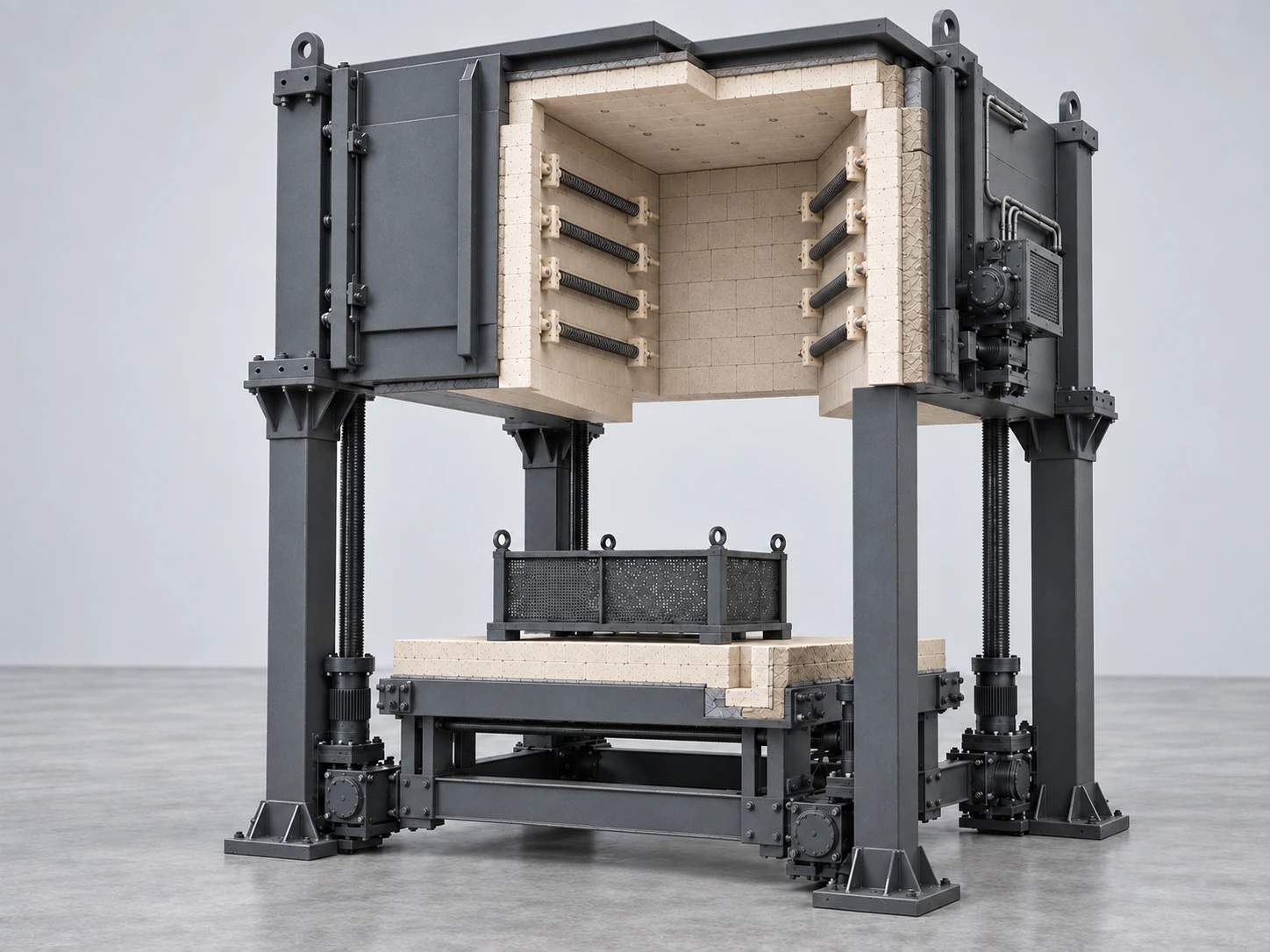
Bottom-loading furnace cutaway showing the fixed upper chamber, internal lining and electric elements, lowered hearth and lift guides
  1. 1Fixed upper chamber
  2. 2Lining and insulation
  3. 3Internal electric elements
  4. 4Lifting hearth
  5. 5Lift guides and drive
  6. 6Basket and fixtures
Internal cutaway · The front is sectioned to expose the bottom opening; the hearth rises from below to close it. Electric heating illustrated.

Five structural inputs to confirm before quotation

  1. 1
    Load envelope and opening

    Check parts, baskets, fixtures and required clearances together.

  2. 2
    Total lift load and centre of gravity

    Include parts, fixtures and moving support components, with uneven loading defined.

  3. 3
    Travel and building clearance

    Allow separately for loading, lift travel, lifting access and maintenance.

  4. 4
    Heating and opening seal

    Confirm temperature, cycle, atmosphere and hearth closure conditions.

  5. 5
    Support, fall protection and interlocks

    Specify operational guarding, the power-loss state and maintenance support separately.

1

Fixed upper chamber

Columns support the fixed upper chamber; the lower hearth raises the load into the heated space.

2

Lining and insulation

The section shows hot face and backing; check thermal cycling and structural clearances for the process.

3

Internal electric elements

Elements surround the working zone and stay clear of the load and hearth movement.

4

Lifting hearth

The upper chamber is open below; the loaded hearth rises into it and closes the opening. The front is sectioned to expose the entry path.

5

Lift guides and drive

Check lift travel, guides and position sensing against total load, centre of gravity and uneven loading.

6

Basket and fixtures

Include fixtures in the envelope and total load; parts must remain stable when hot and during lifting.

How the equipment works

Lower the hearth to load, verify chamber clearance, then raise and seal it for heating. Complete the specified cooling or transfer preparation before lowering it to unload.

  1. 01Lower and load
  2. 02Raise and seal
  3. 03Process heating
  4. 04Prepare and lower to unload

Questions from purchasing and engineering teams

Elevating furnaces have different arrangements. This page shows a moving bottom hearth entering a fixed upper chamber; establish that distinction before specification.

Include baskets, fixtures and moving support components, with centre of gravity, uneven loading and hot conditions defined in the specification.

Assess the material, permitted transfer time, hearth movement and cooling-equipment position separately. A bottom-loading design alone does not establish rapid-quench capability.

Measure building height, hearth loading area, lifting route and foundations, then account for travel, maintenance and support space.
Related equipment and selection resources

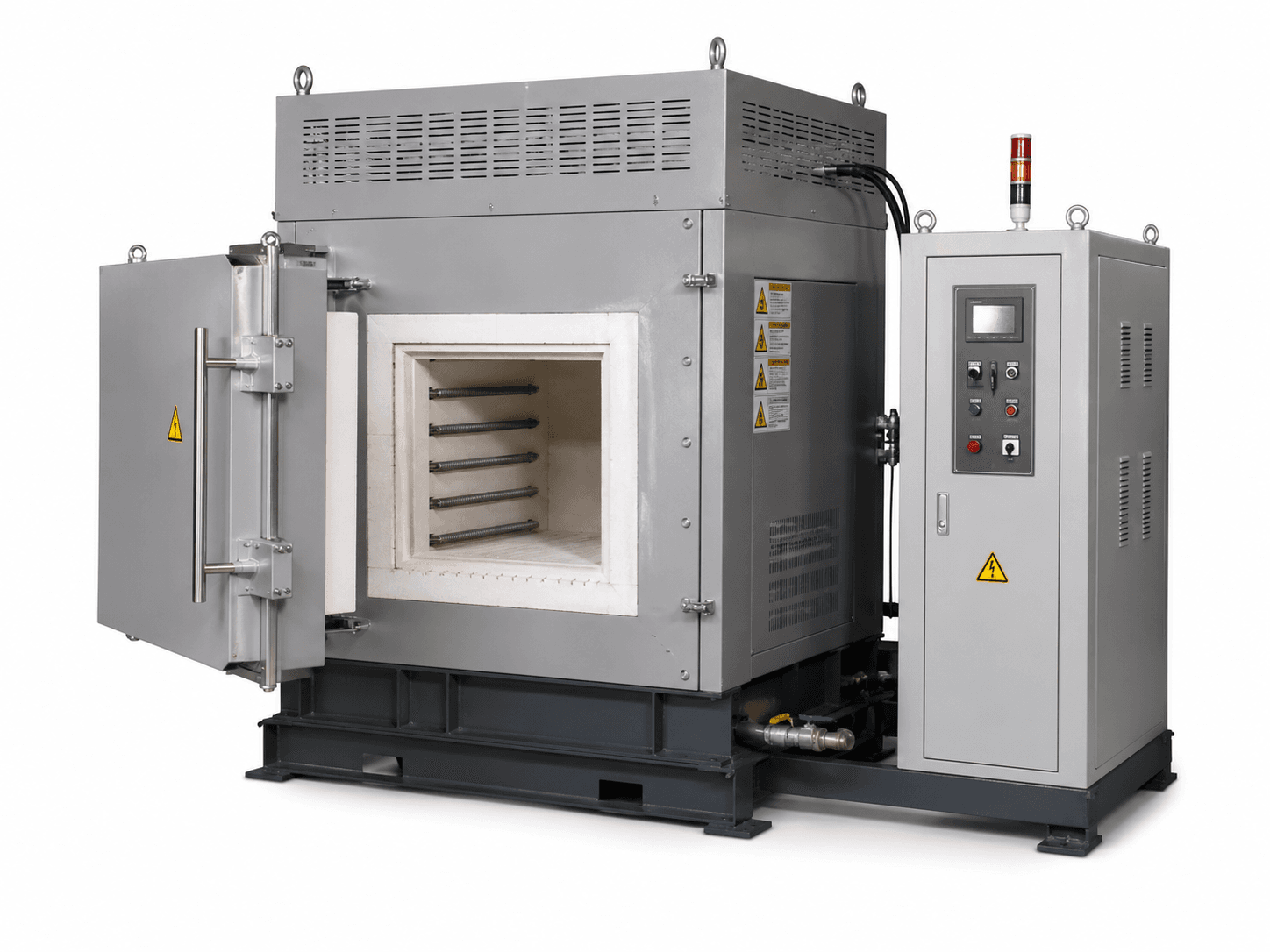
Box Furnace

Box Furnace

Compare loading, process and installation conditions

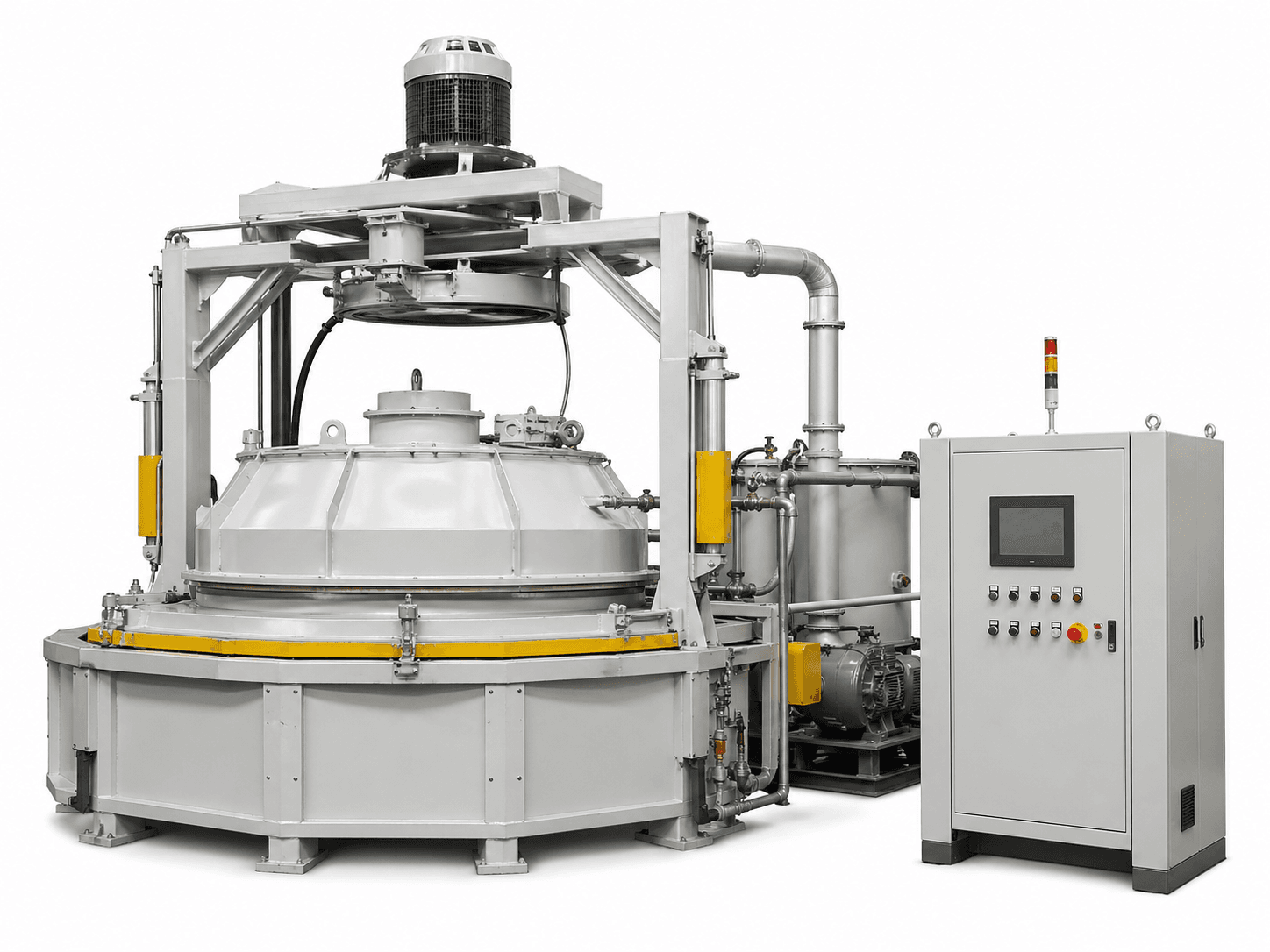
Bell Furnace

Bell Furnace

Compare loading, process and installation conditions

Contact our engineering team

Prepare these four inputs for a selection review

  • Workpiece and basket dimensions and total weight
  • Lift travel, building height and foundations
  • Temperature, atmosphere and cooling
  • Handling, sealing and fall protection
Submit requirements