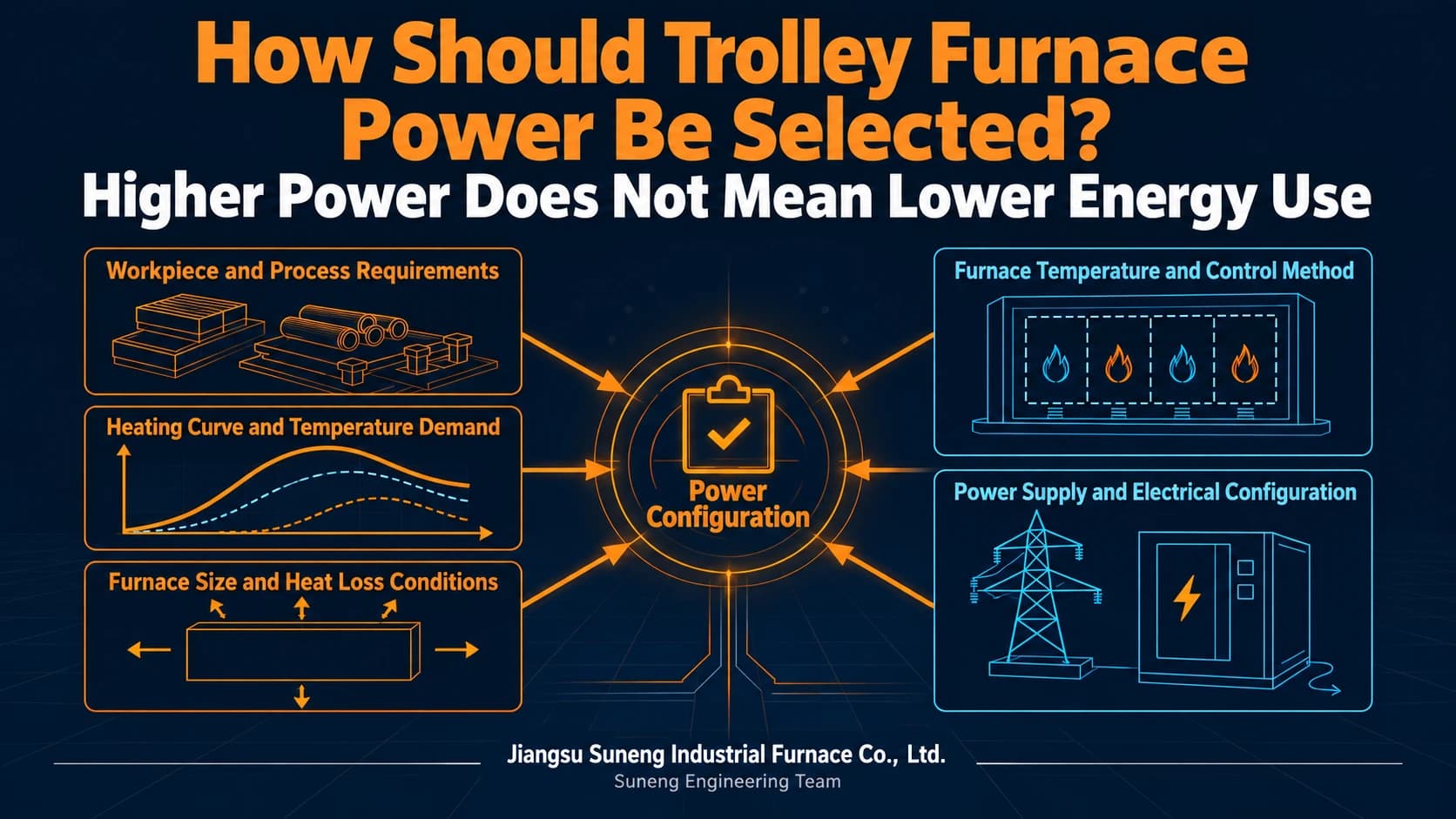
How Should Trolley Furnace Power Be Selected? Higher Power Does Not Mean Lower Energy Use
Separate installed heating capacity, operating input and metered energy, then review loading, curves, losses, zones and utilities.
Loading page…
Loading is taking longer than usual. Please wait or try again.
Retry loadingExplore equipment selection, quotation inputs, process quality, acceptance and furnace maintenance.

Separate installed heating capacity, operating input and metered energy, then review loading, curves, losses, zones and utilities.

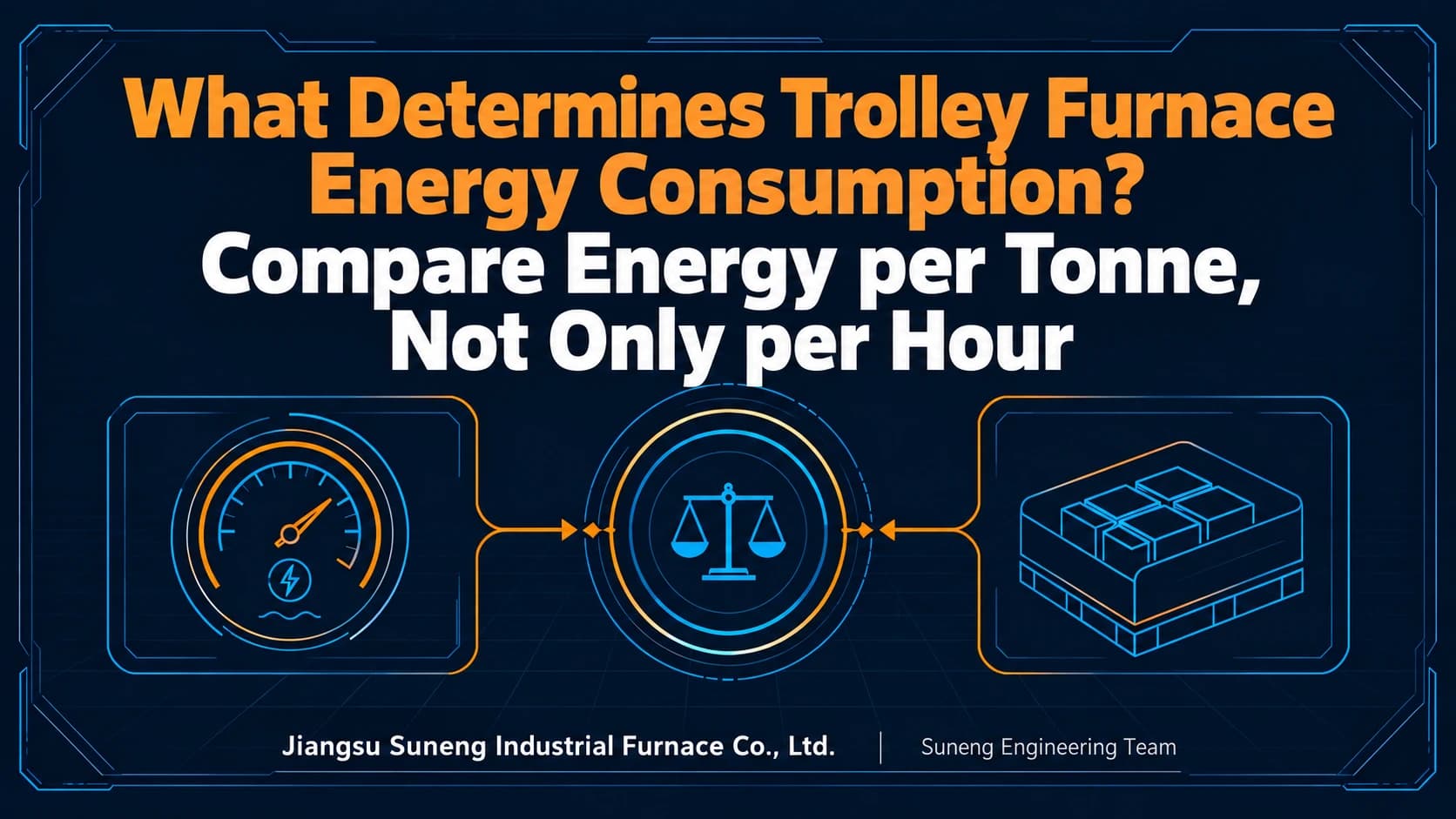
Use actual metered energy and conforming output under consistent loading, process and reporting conditions.

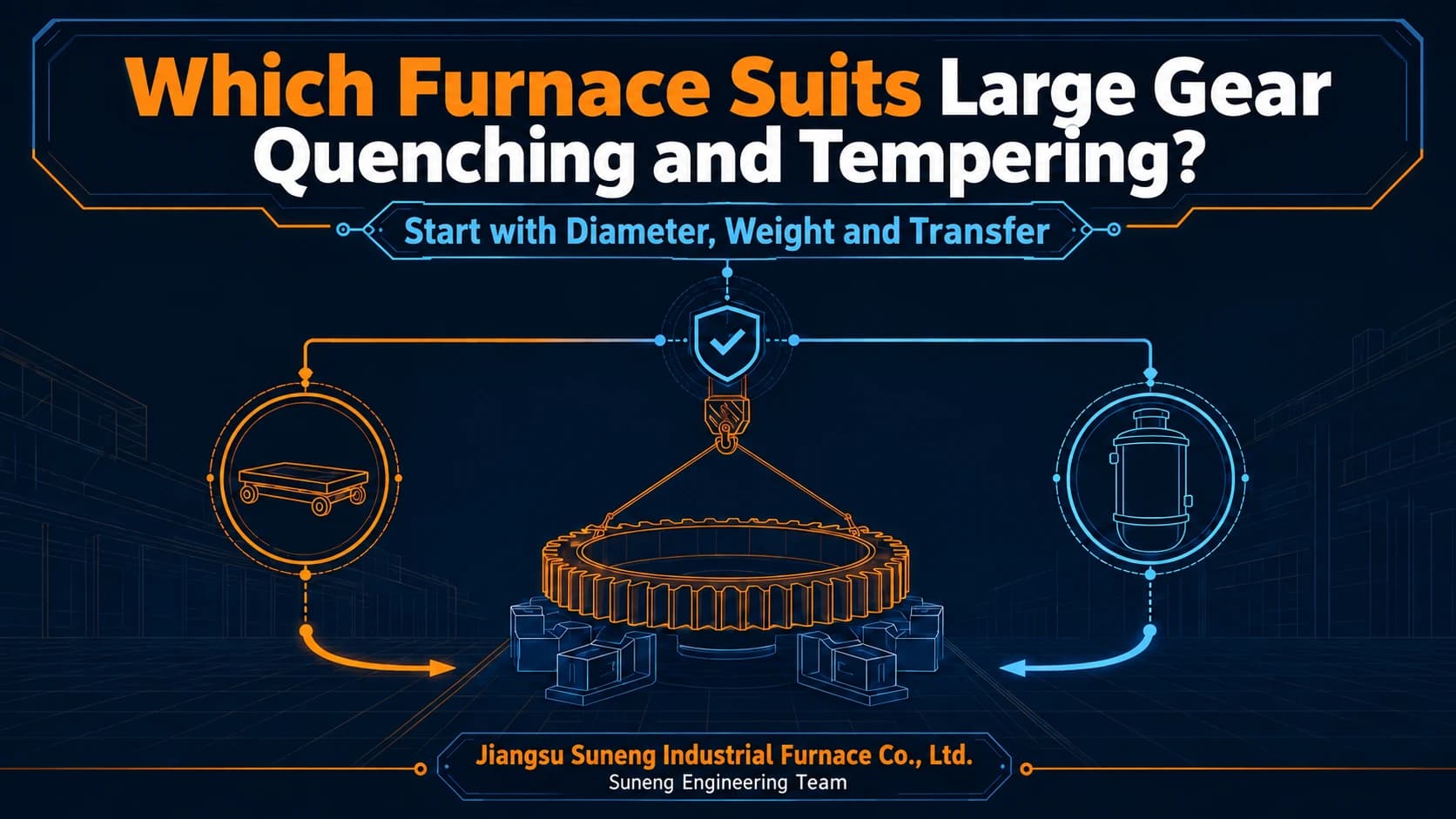
Compare trolley and pit arrangements after fixing six workpiece, loading, process and site conditions.

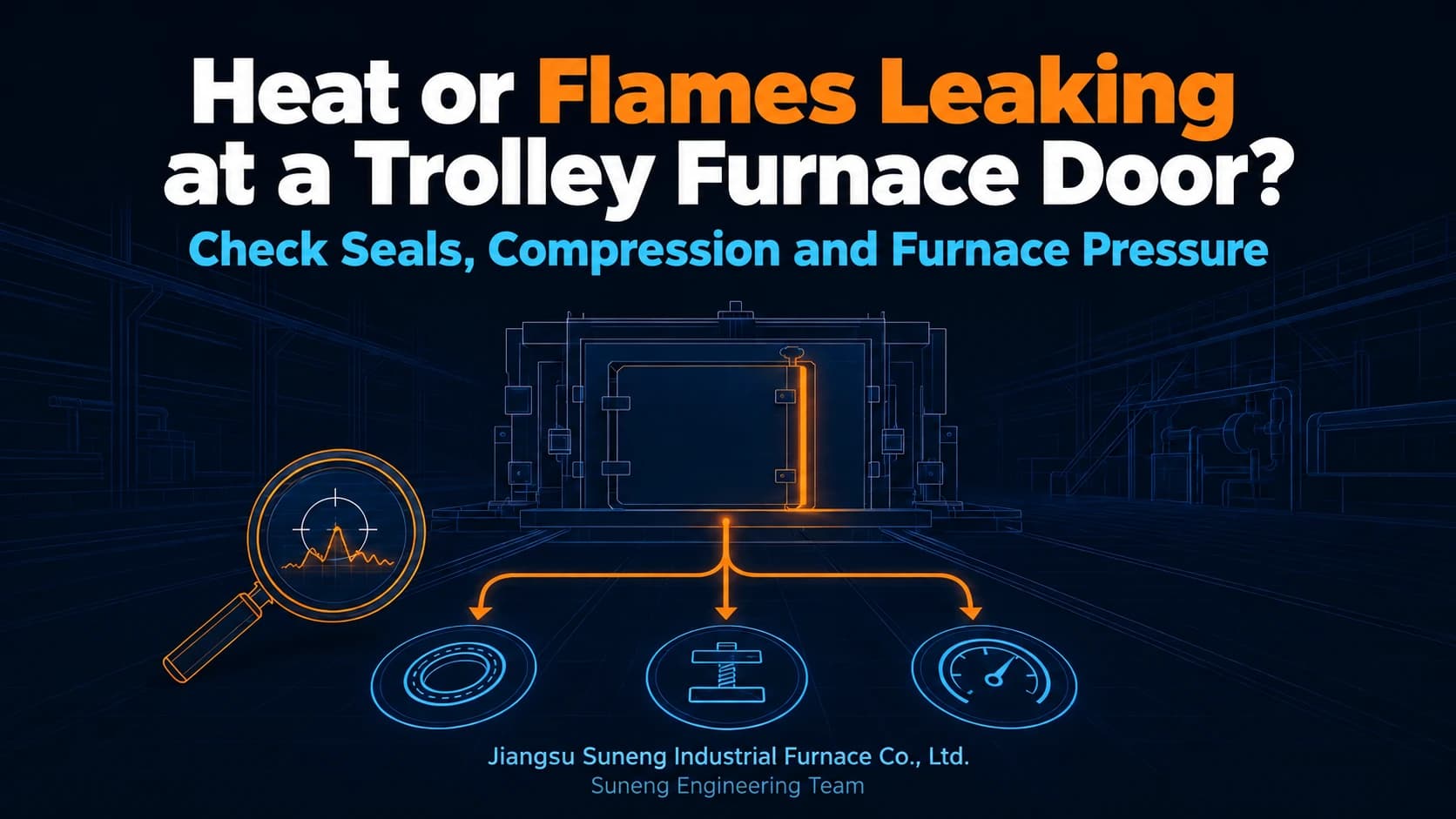
Control the immediate risk, then diagnose the door interface, mechanisms, geometry, pressure, lining and operating state together.

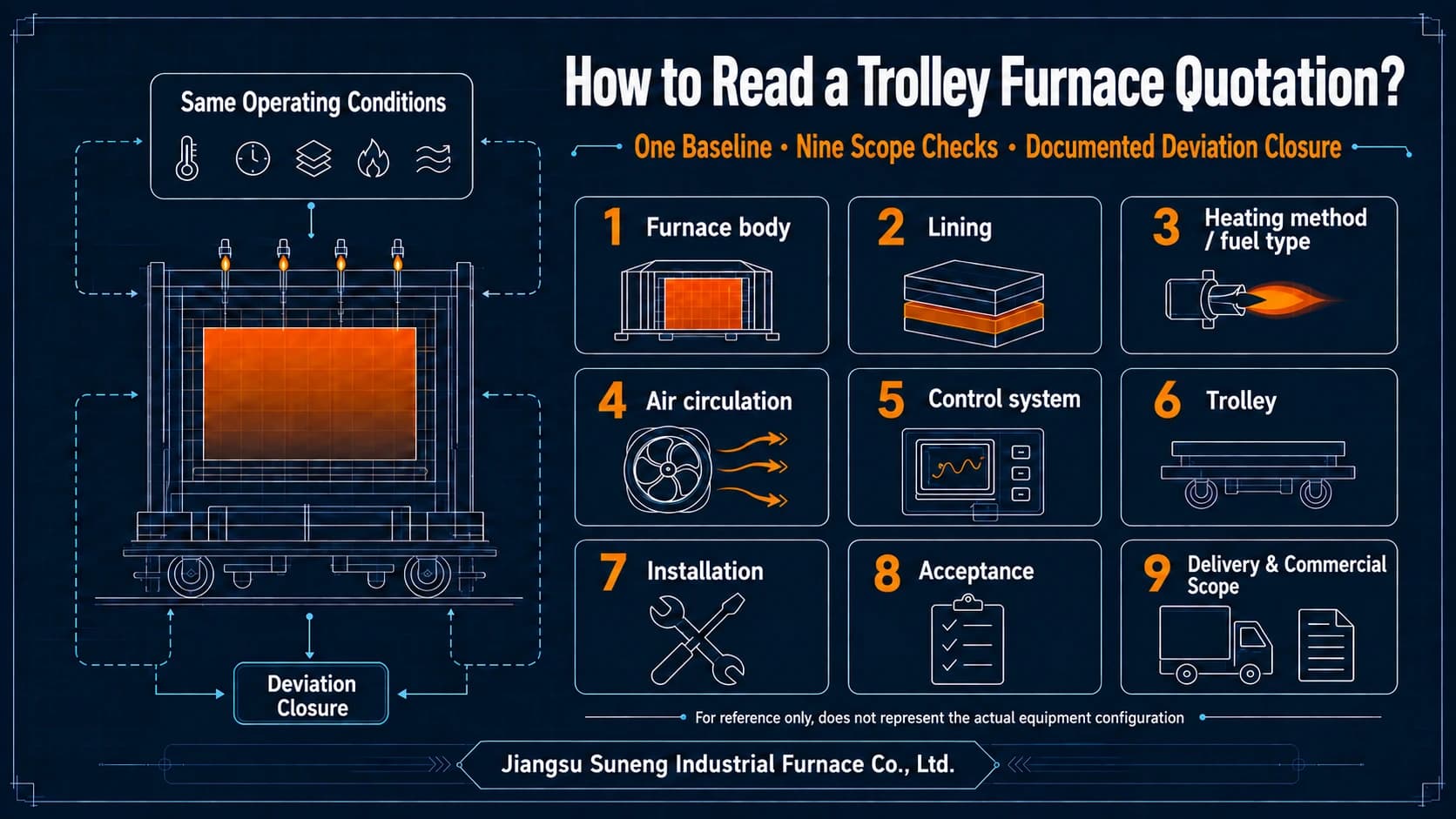
Establish one operating baseline, align nine scope areas and close documented deviations before comparing total prices.

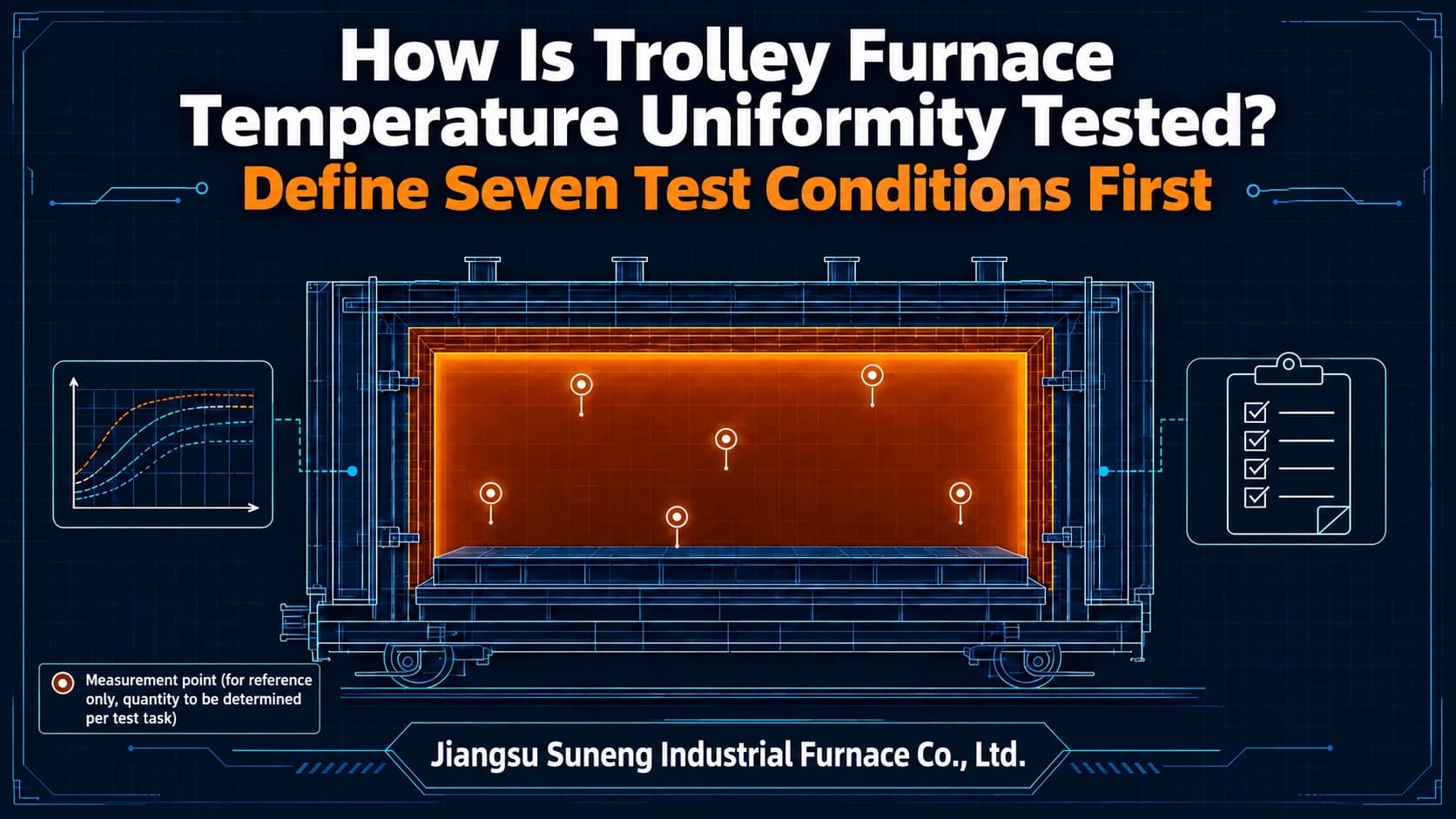
Make the zone, temperature, load, instruments, recording, calculations and retests explicit before comparing results.

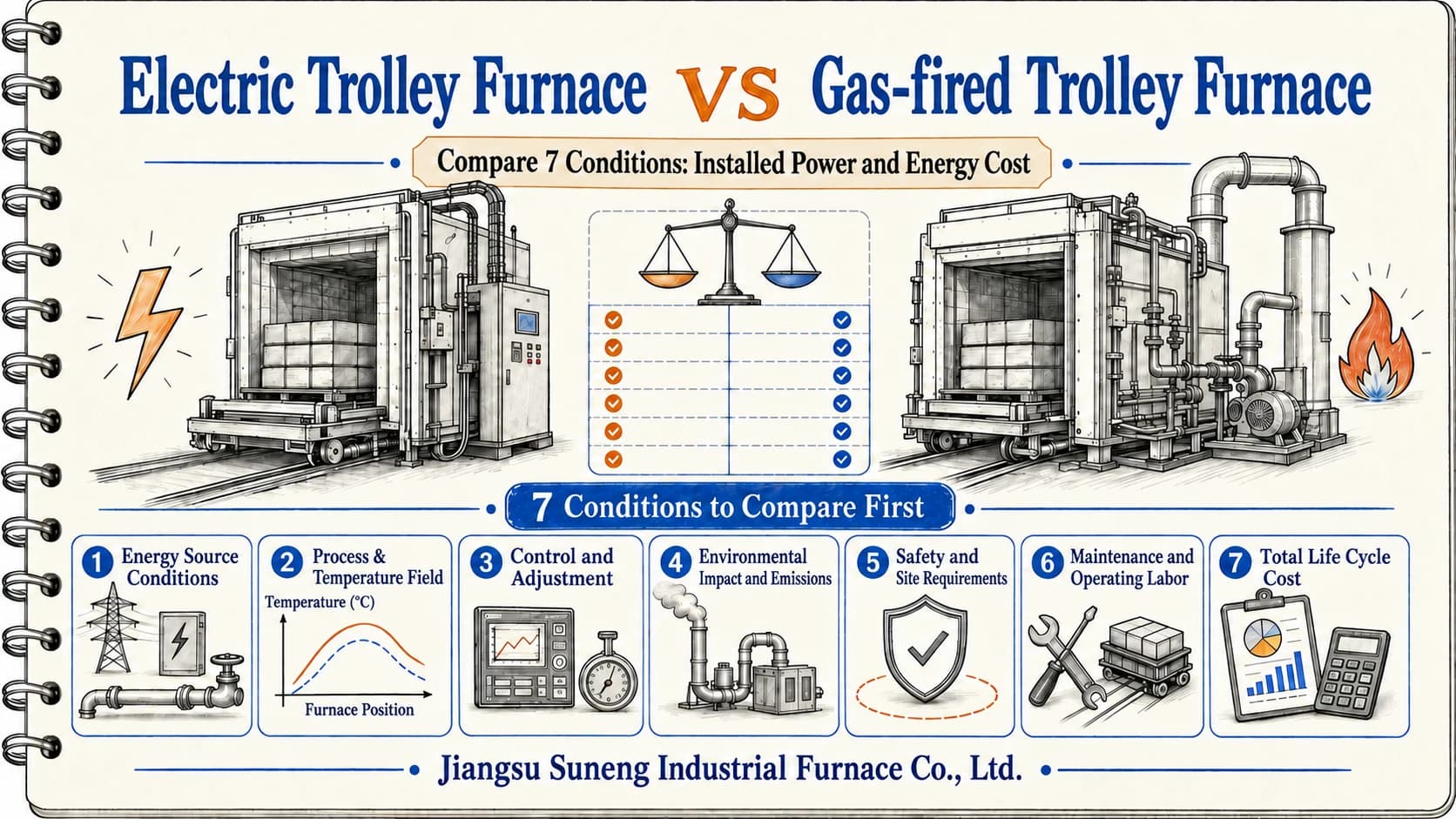
Align utilities, process, controls, emissions, safety, maintenance and life-cycle costs before choosing the heat source.

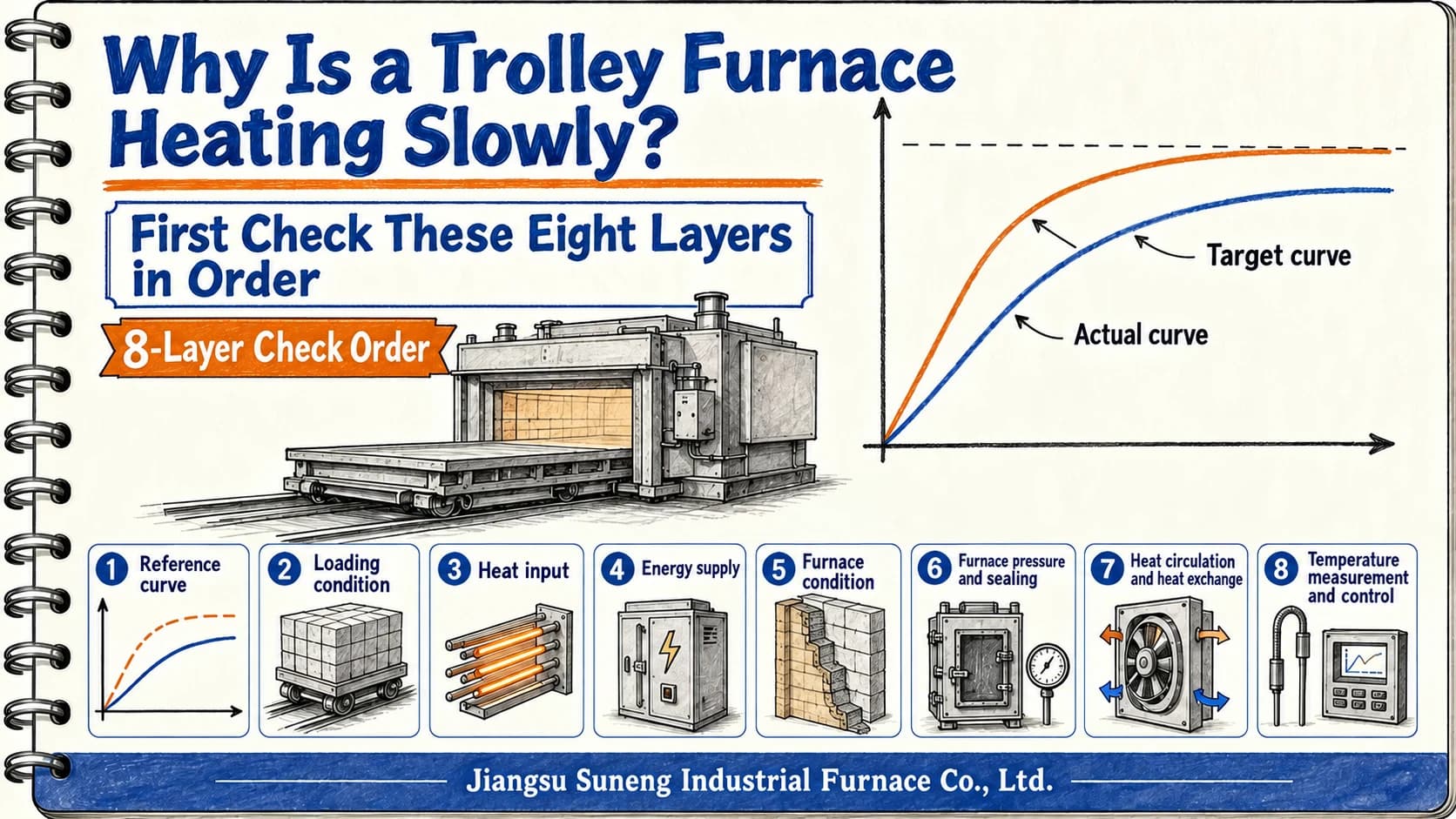
Establish a comparable curve before investigating loading, heat input, utilities, insulation, seals, circulation and measurement.

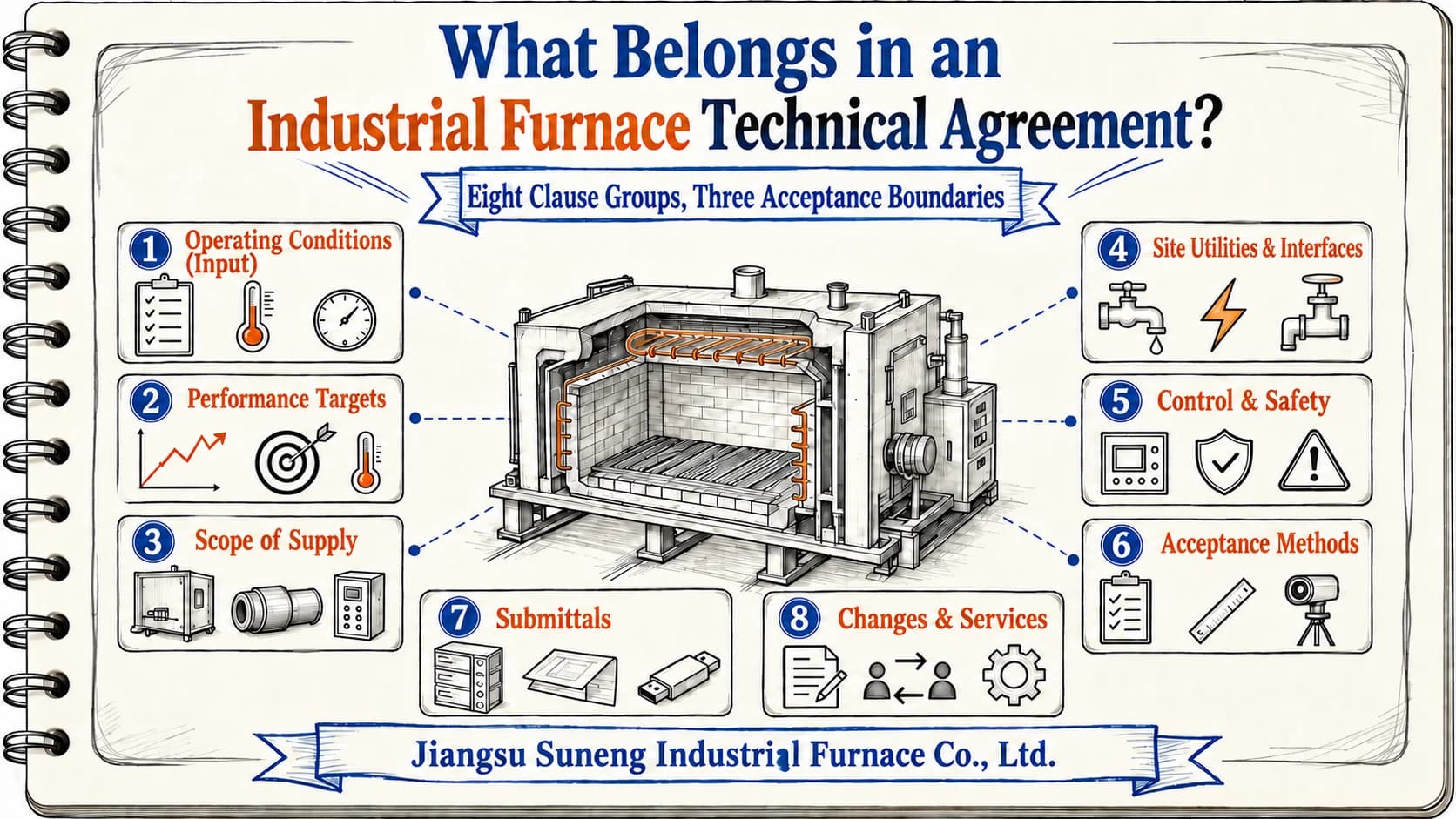
Turn operating inputs, supply responsibilities and test methods into an agreed, traceable technical baseline.

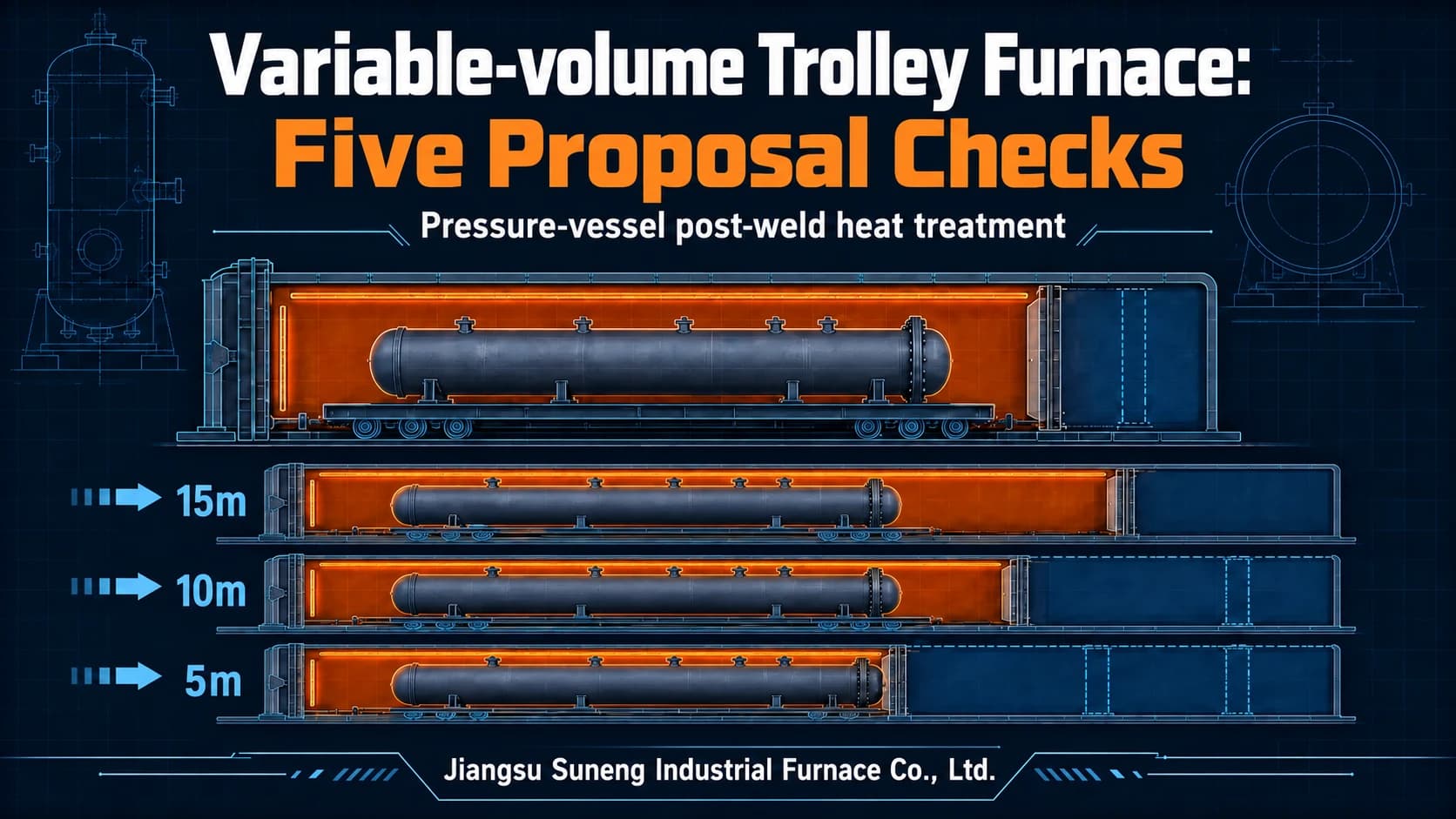
Use this historical proposal to check rear-wall position, effective heating zones, burner controls, seals, temperature records and verification scope.
Share workpiece, output or existing-equipment information so the engineering team can clarify the key requirements.