Industrial Furnace Retrofit Acceptance: Temperature Uniformity, Energy and Controls
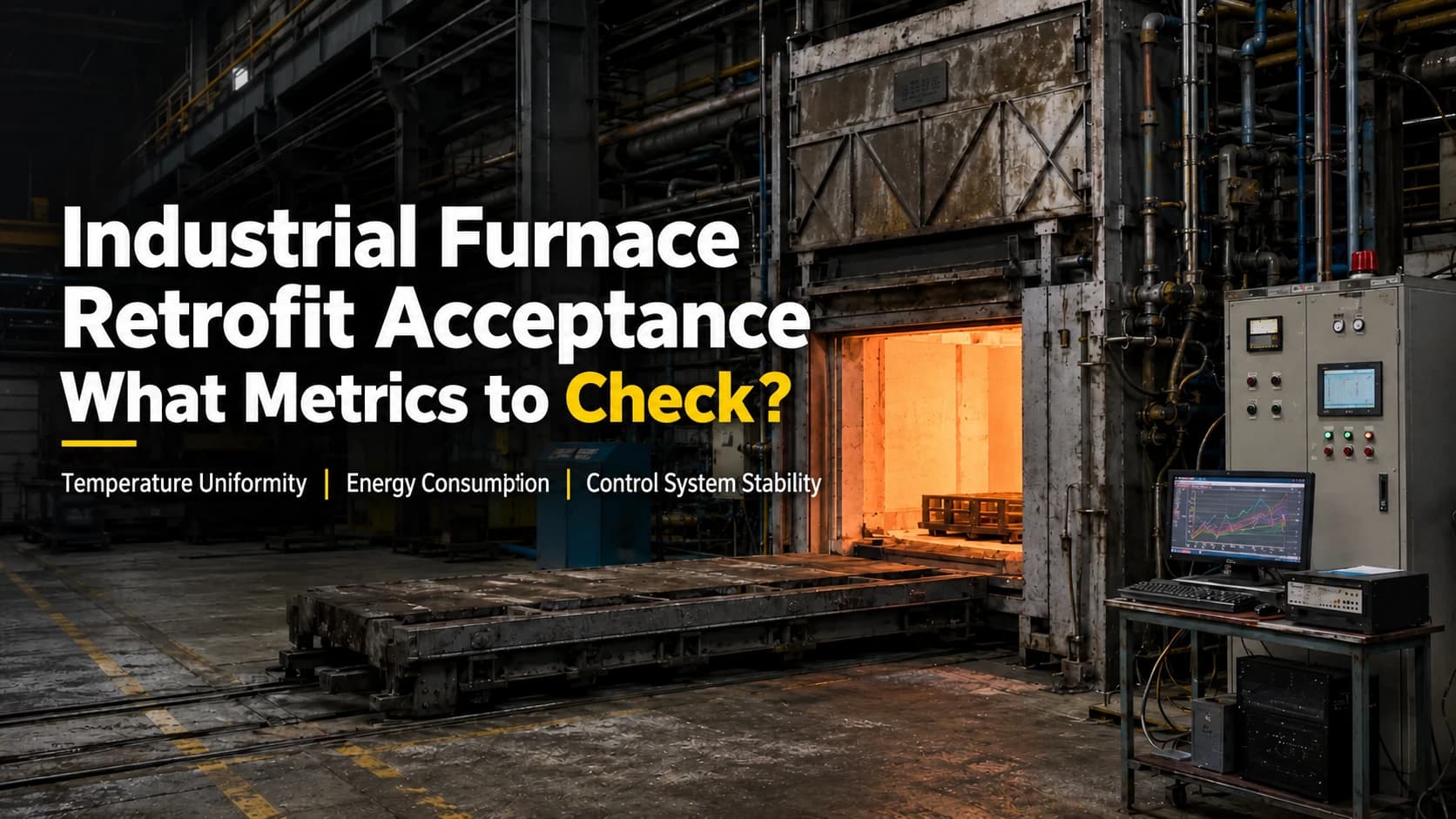
Define test conditions, compare like-for-like operating data and verify mechanisms, interlocks and records before handover.
Explore equipment selection, quotation inputs, process quality, acceptance and furnace maintenance.
Loading resources…
Share workpiece, output or existing-equipment information so the engineering team can clarify the key requirements.
Explore equipment selection, quotation inputs, process quality, acceptance and furnace maintenance.

Define test conditions, compare like-for-like operating data and verify mechanisms, interlocks and records before handover.

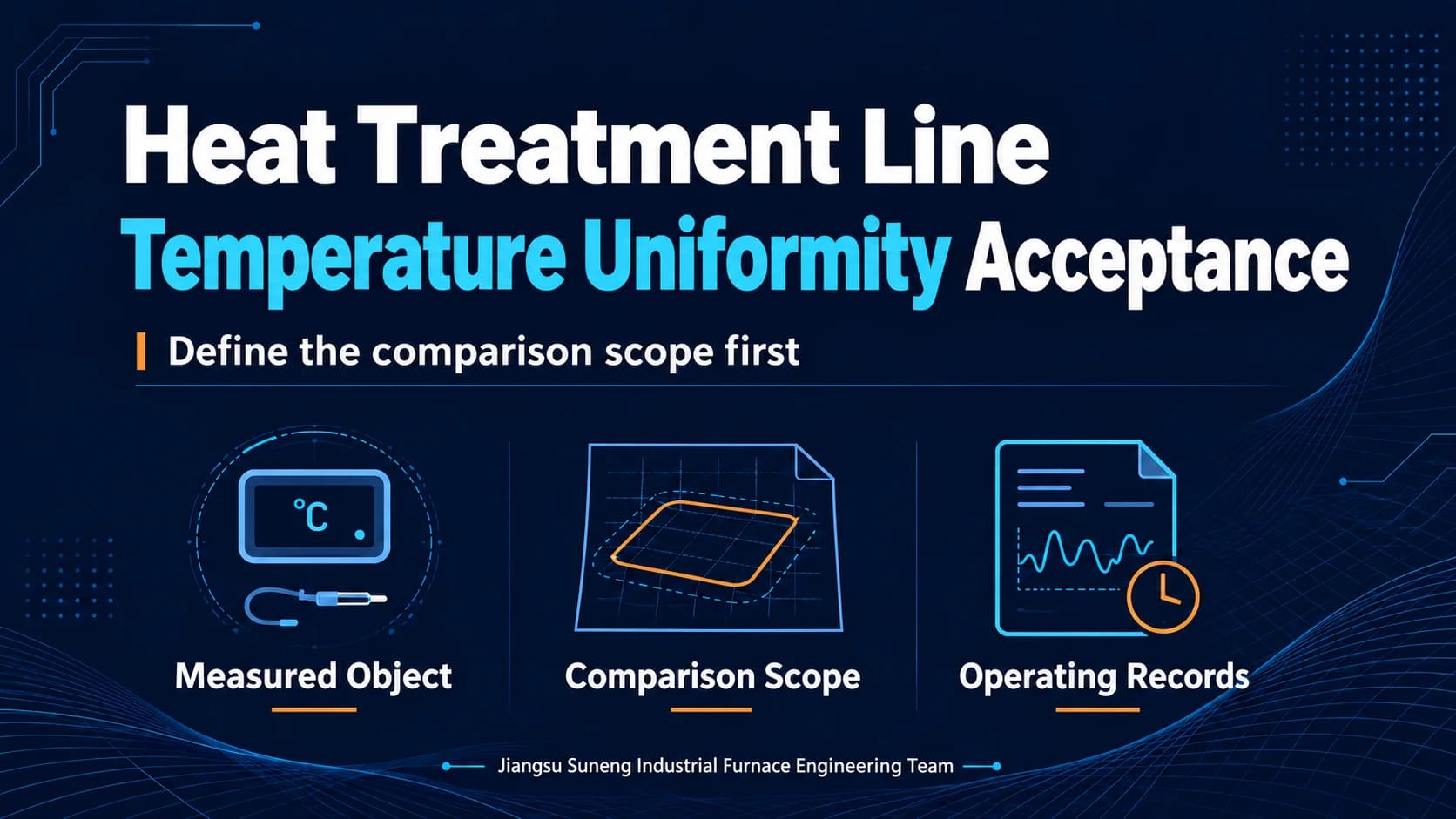
Identify the measured object, mapped test area and operating conditions before selecting temperature limits and evaluating uniformity records.

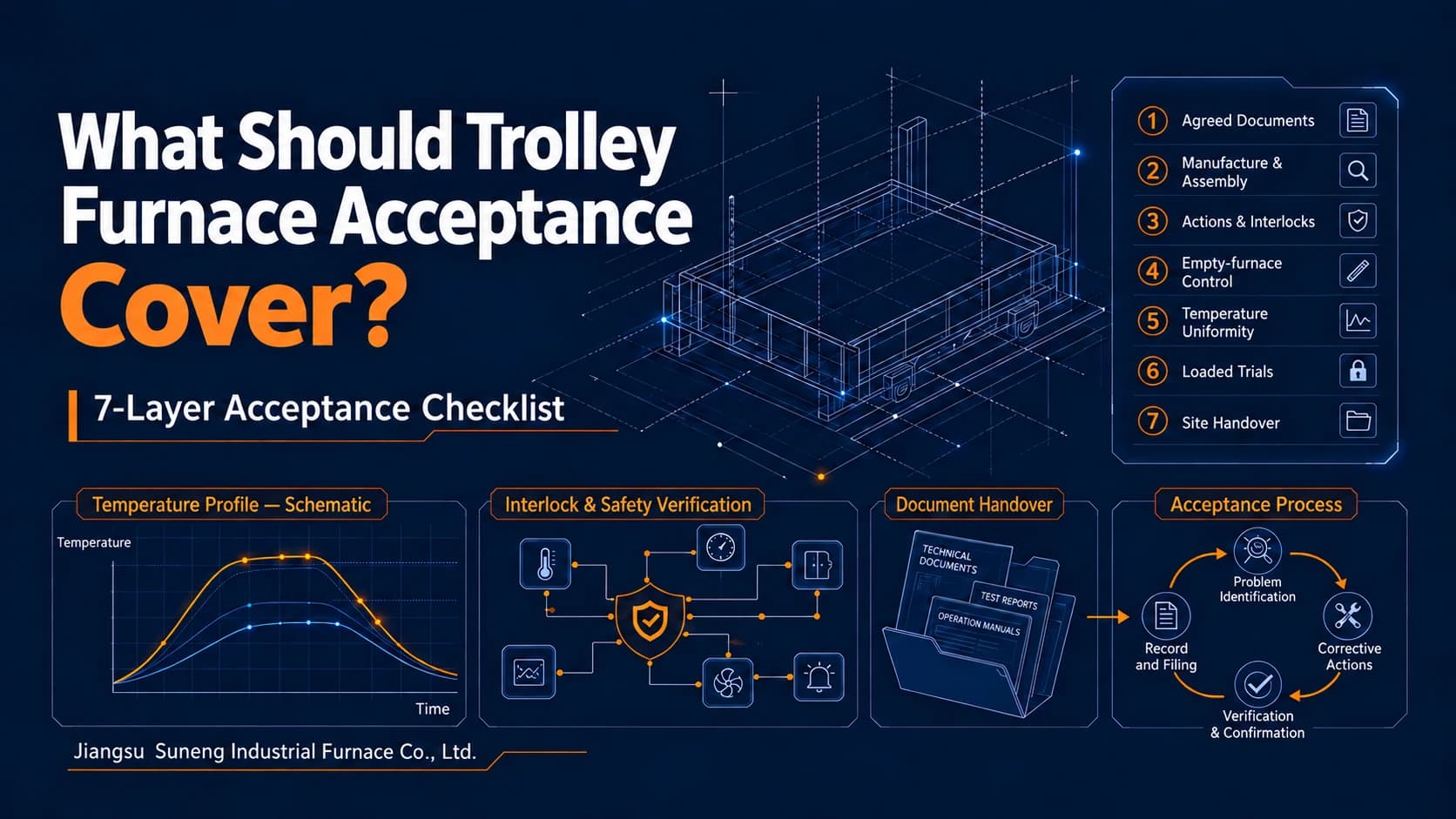
Use seven connected checks for agreed documents, manufacturing, interlocks, temperature, loaded operation and site handover.

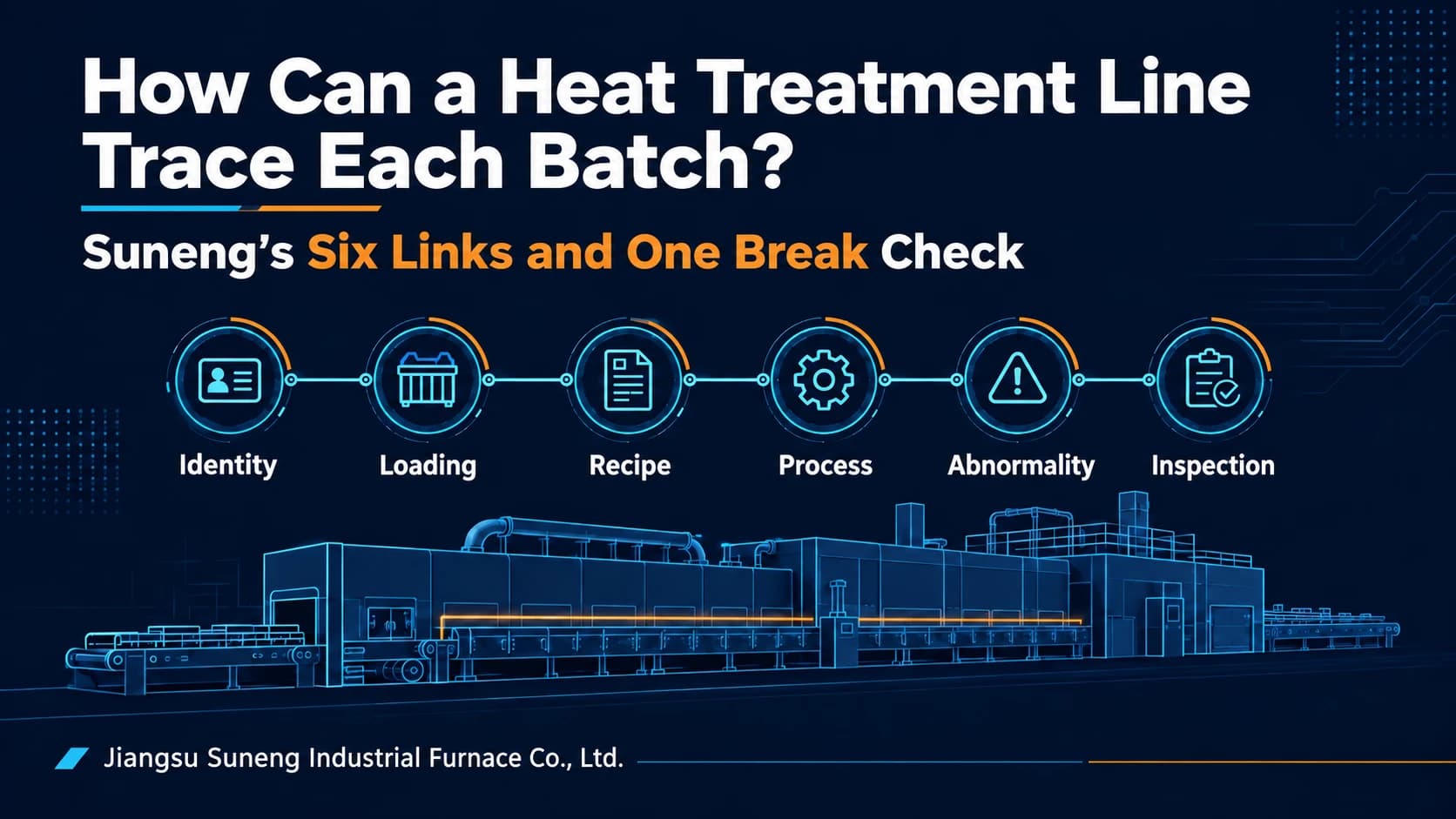
Connect identity, carriers, recipe versions, process data, exceptions and inspection; an unexplained break prevents a complete traceability chain.

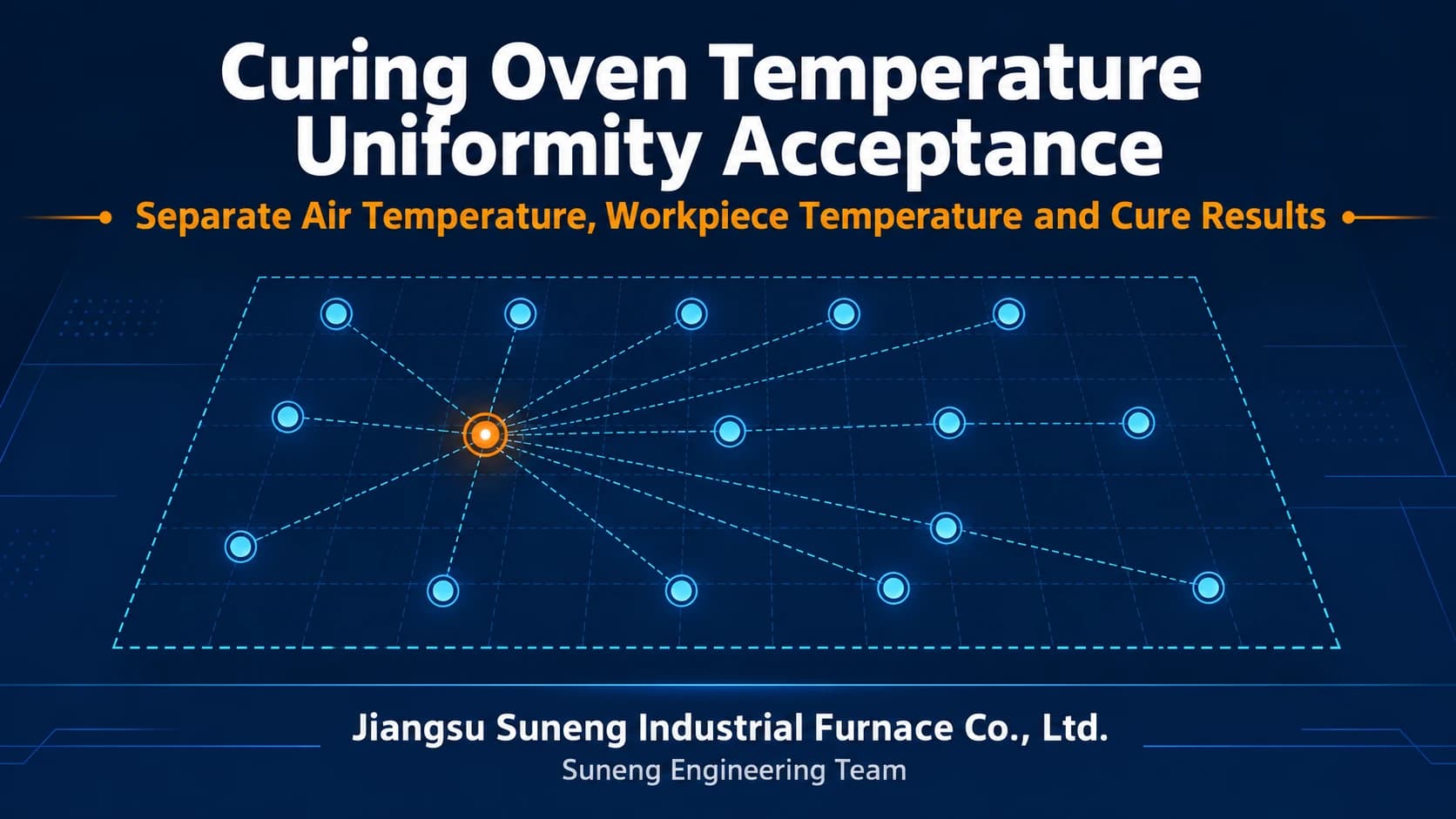
Connect three evidence layers without treating furnace-temperature tests as proof of every workpiece or product result.

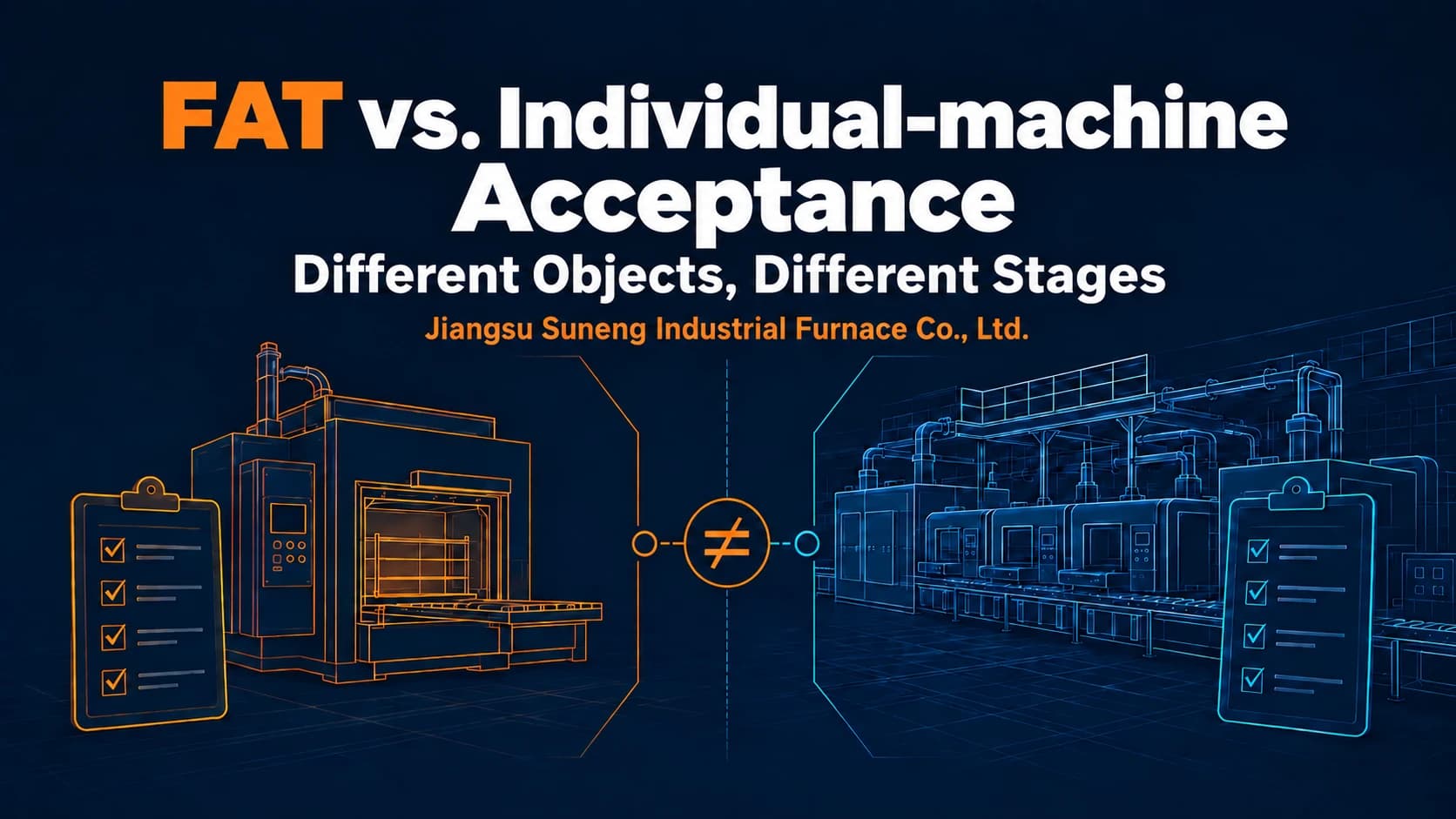
Separate the test object from the factory stage, and record the object, test state, evidence and limits for each acceptance conclusion.

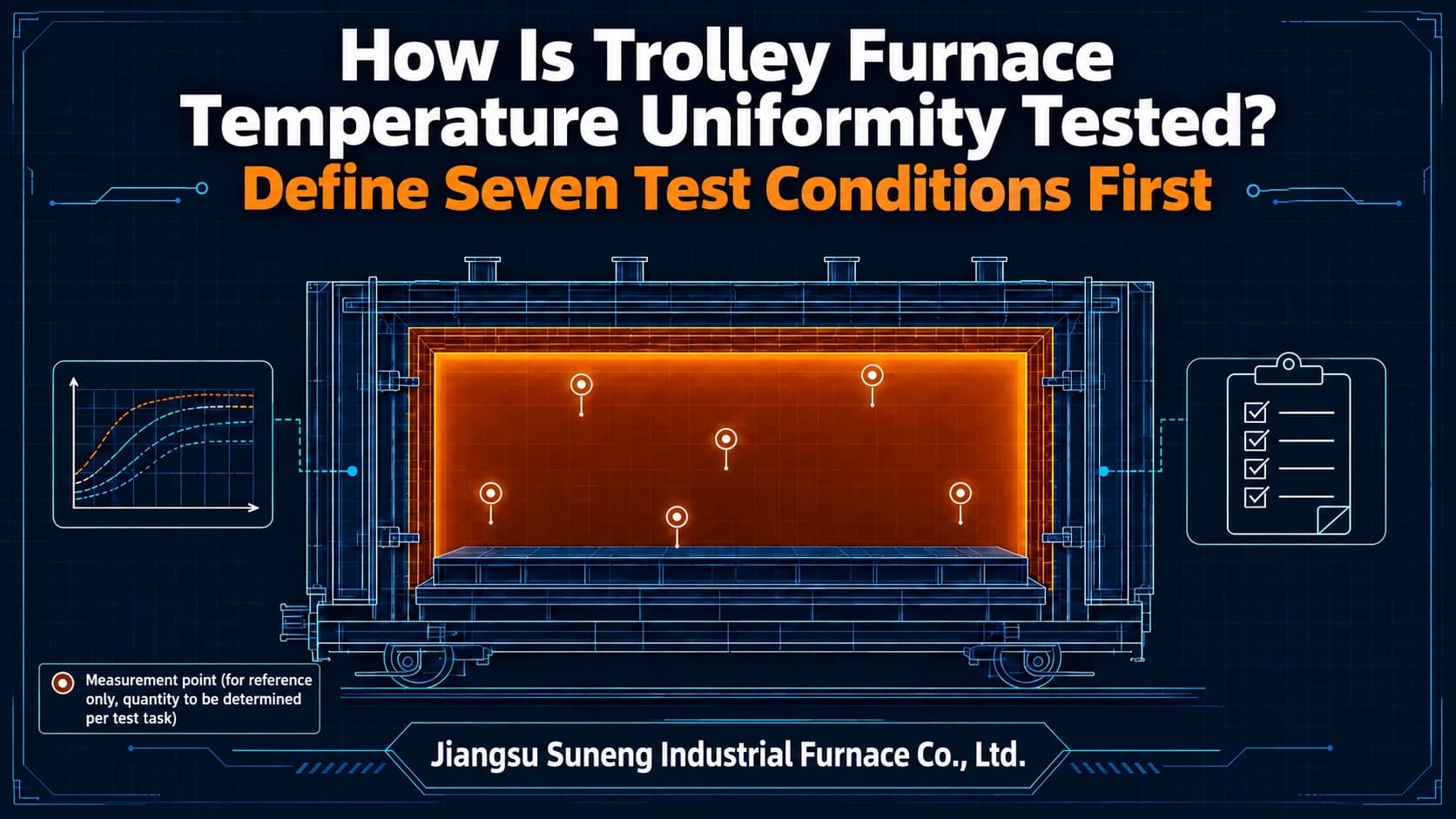
Make the zone, temperature, load, instruments, recording, calculations and retests explicit before comparing results.

Verify four evidence layers with an agreed working zone, representative state, traceable measurement chain and complete records.

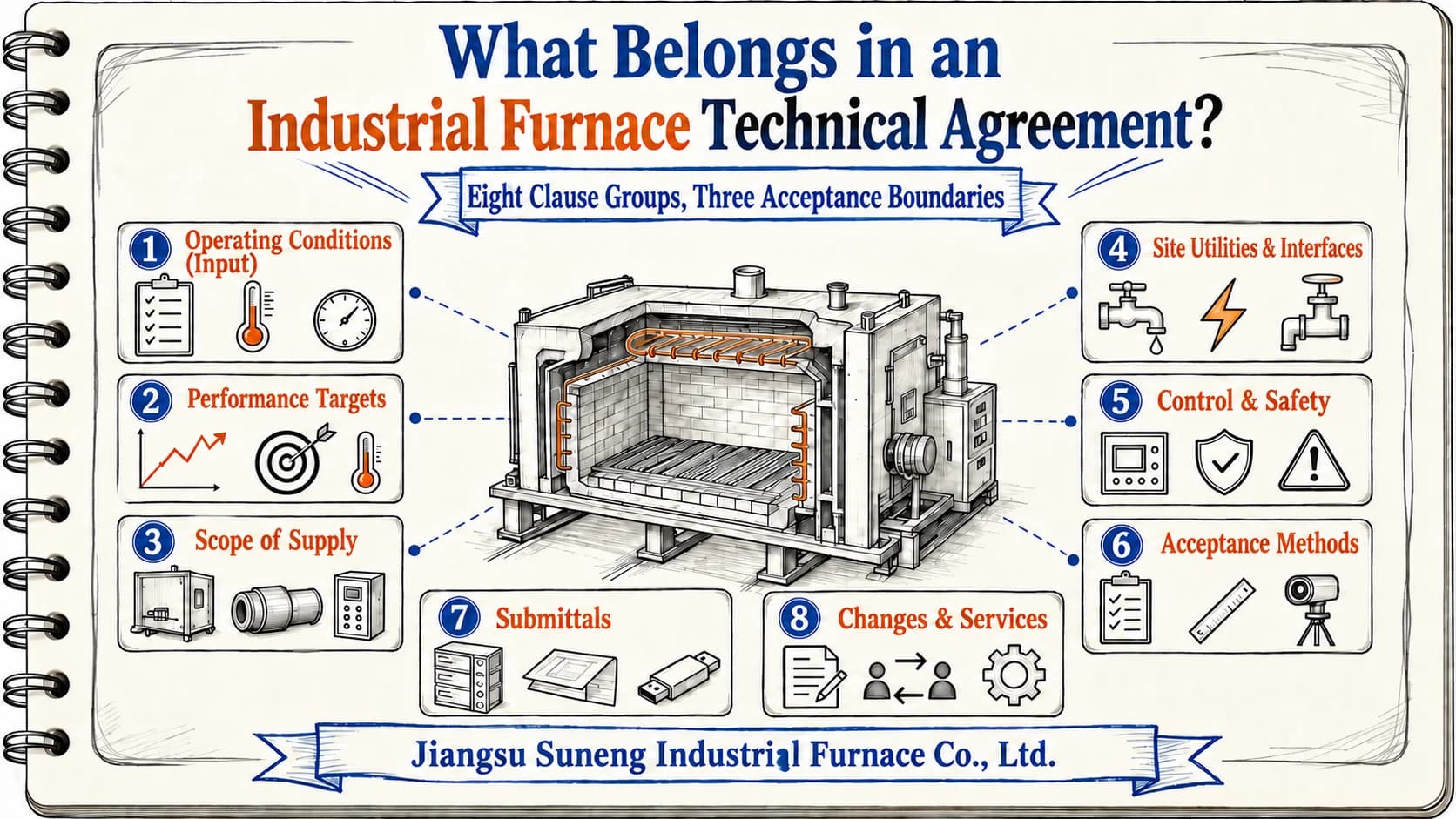
Turn operating inputs, supply responsibilities and test methods into an agreed, traceable technical baseline.

Use the applicable specification, representative loading and synchronized records to verify the complete transfer path.
Share workpiece, output or existing-equipment information so the engineering team can clarify the key requirements.