
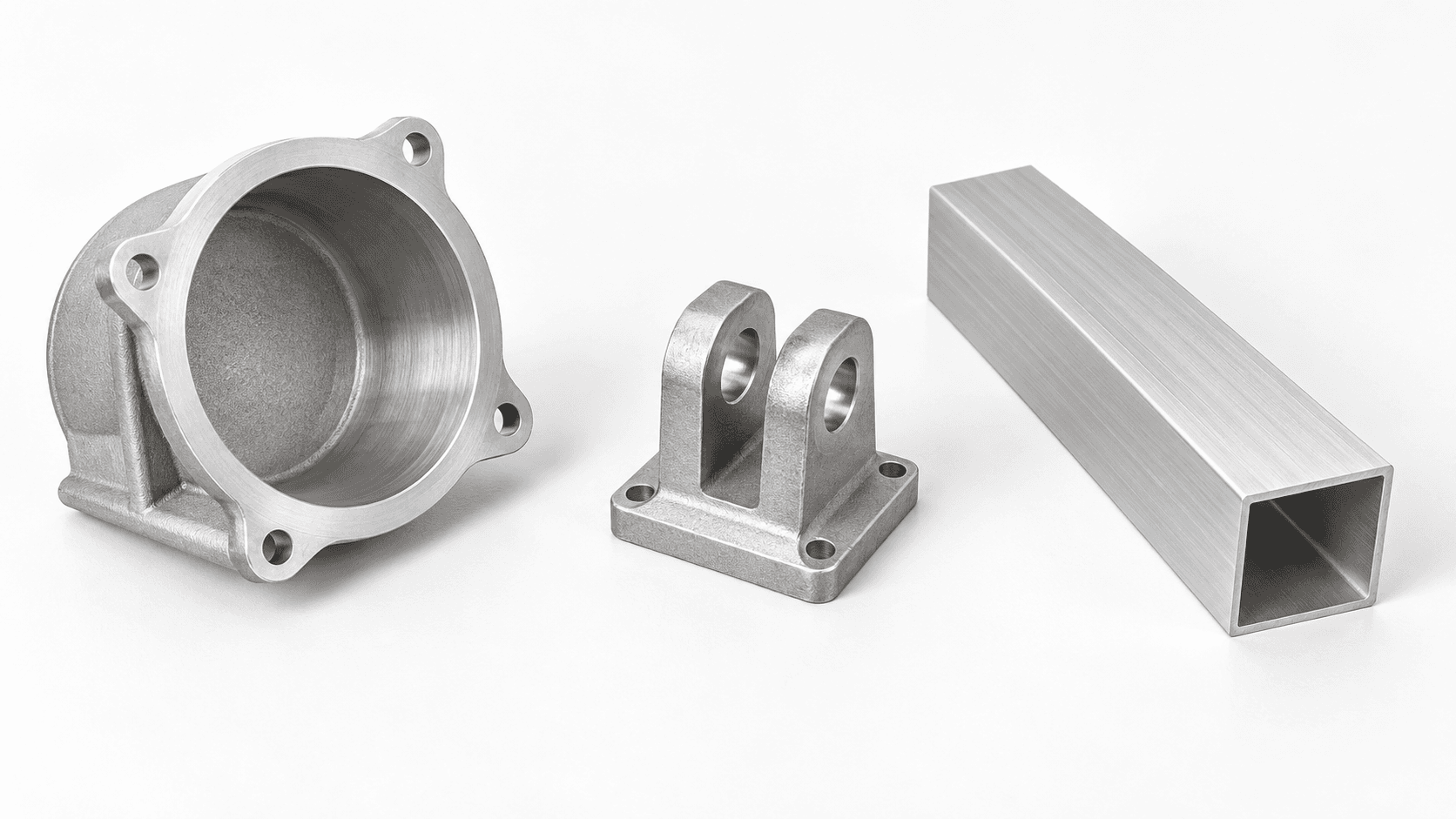
Alloy & product condition
Identify grade, casting or forming method, incoming condition and target temper. Shape alone does not establish suitability for solution treatment and aging.

Loading page…
Reload pageMatch solution and aging equipment to alloy, loading and output
For heat-treatable aluminum alloys suitable for solution treatment and artificial aging, coordinate the solution furnace, quench system and aging furnace. Control part temperature, quench handover and batch records around alloy, target condition and loading.
Check grades, incoming conditions and product specifications separately for castings, forgings and extrusions. Parts requiring separate solution treatment and products quenched online after extrusion cannot automatically use the same route.
Identify grade, casting or forming method, incoming condition and target temper. Shape alone does not establish suitability for solution treatment and aging.
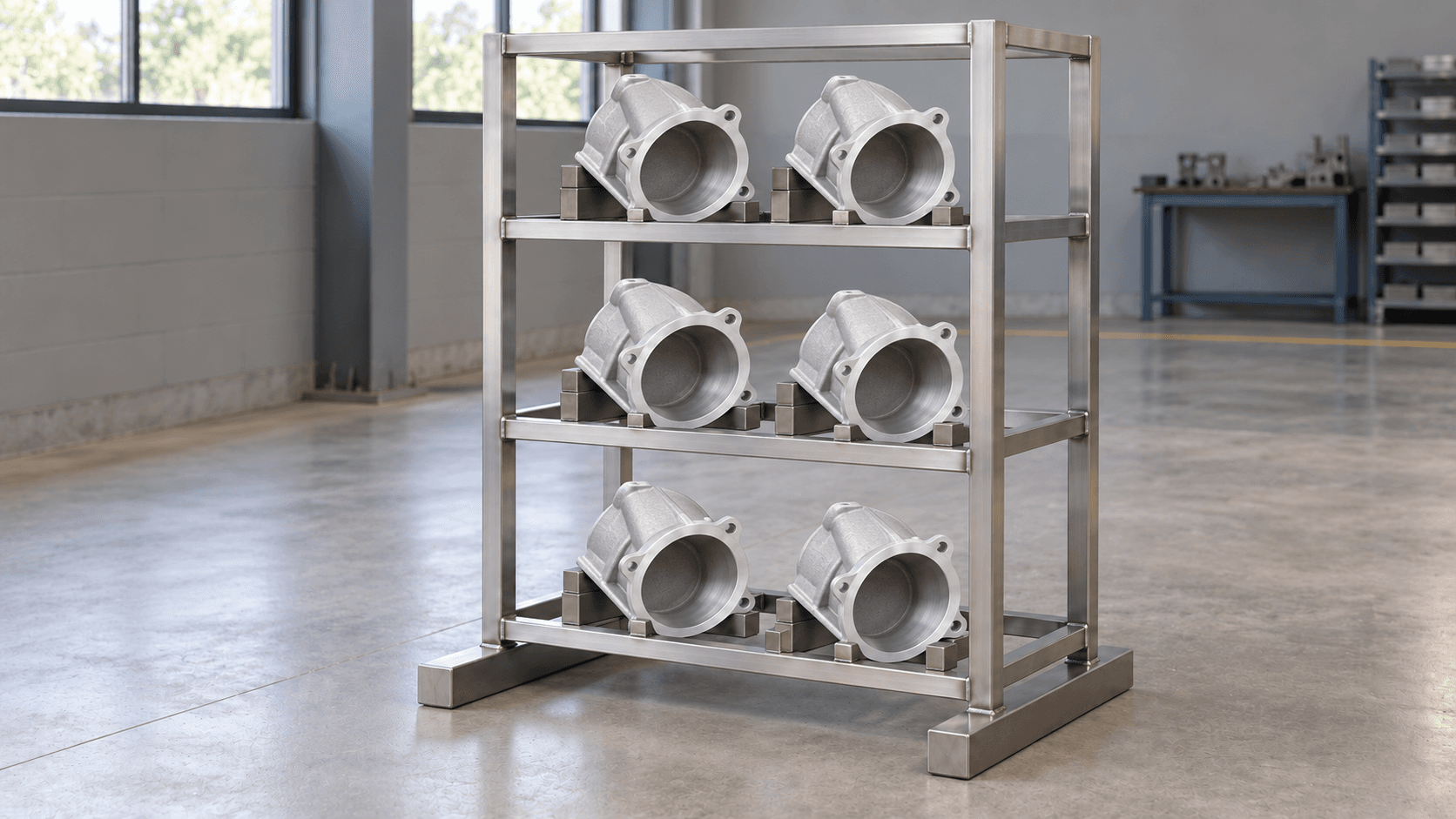
Provide dimensions, wall thickness, part mass and net batch load. Supports, spacing and orientation must allow heating, quench-medium contact and drainage.
Point to equipment or select a step to see its location and action
Scroll horizontally for the complete line, or select a step below
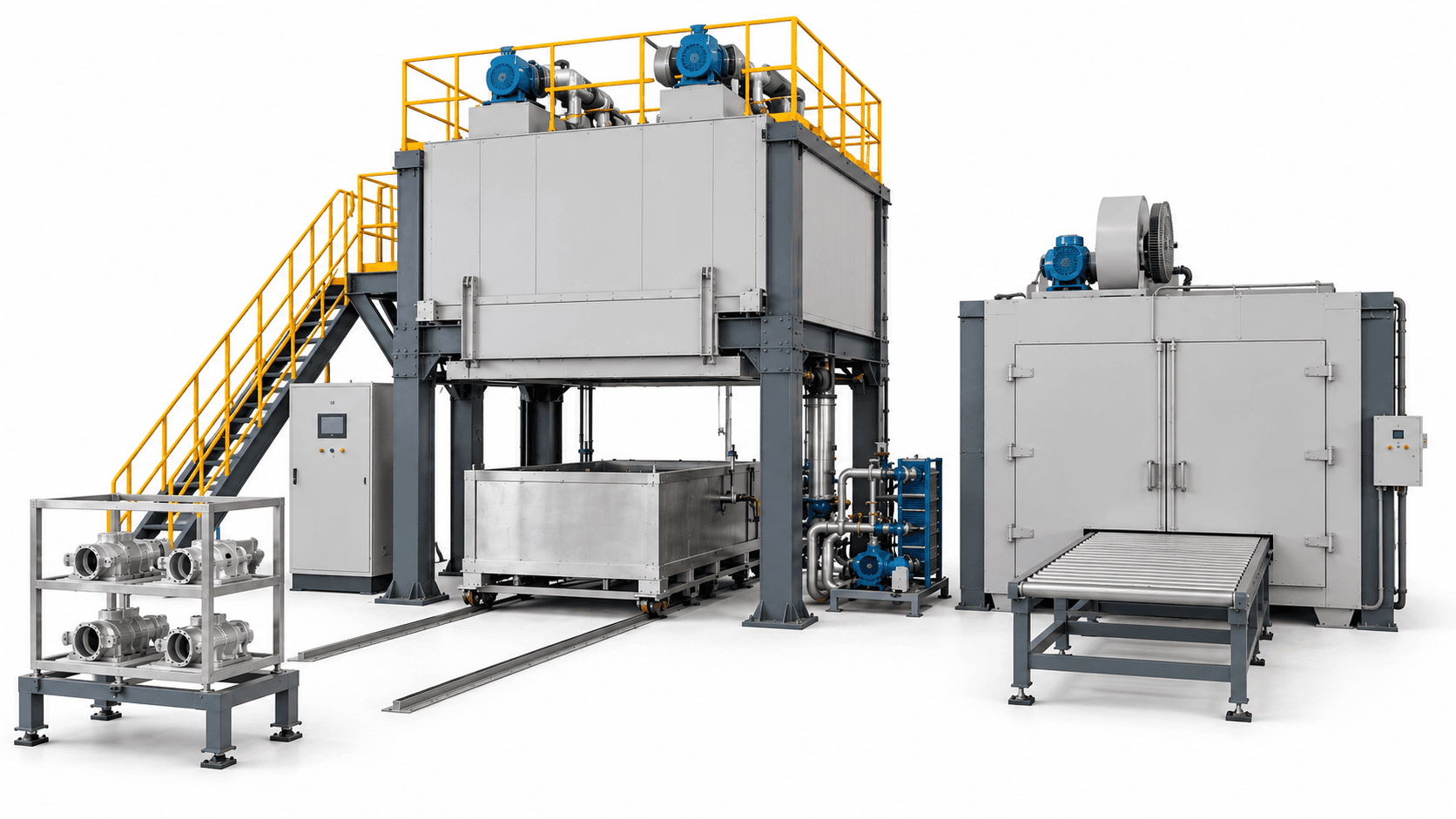
Control quench medium, operating condition and process against alloy and specification.
Equipment: Quench tank below
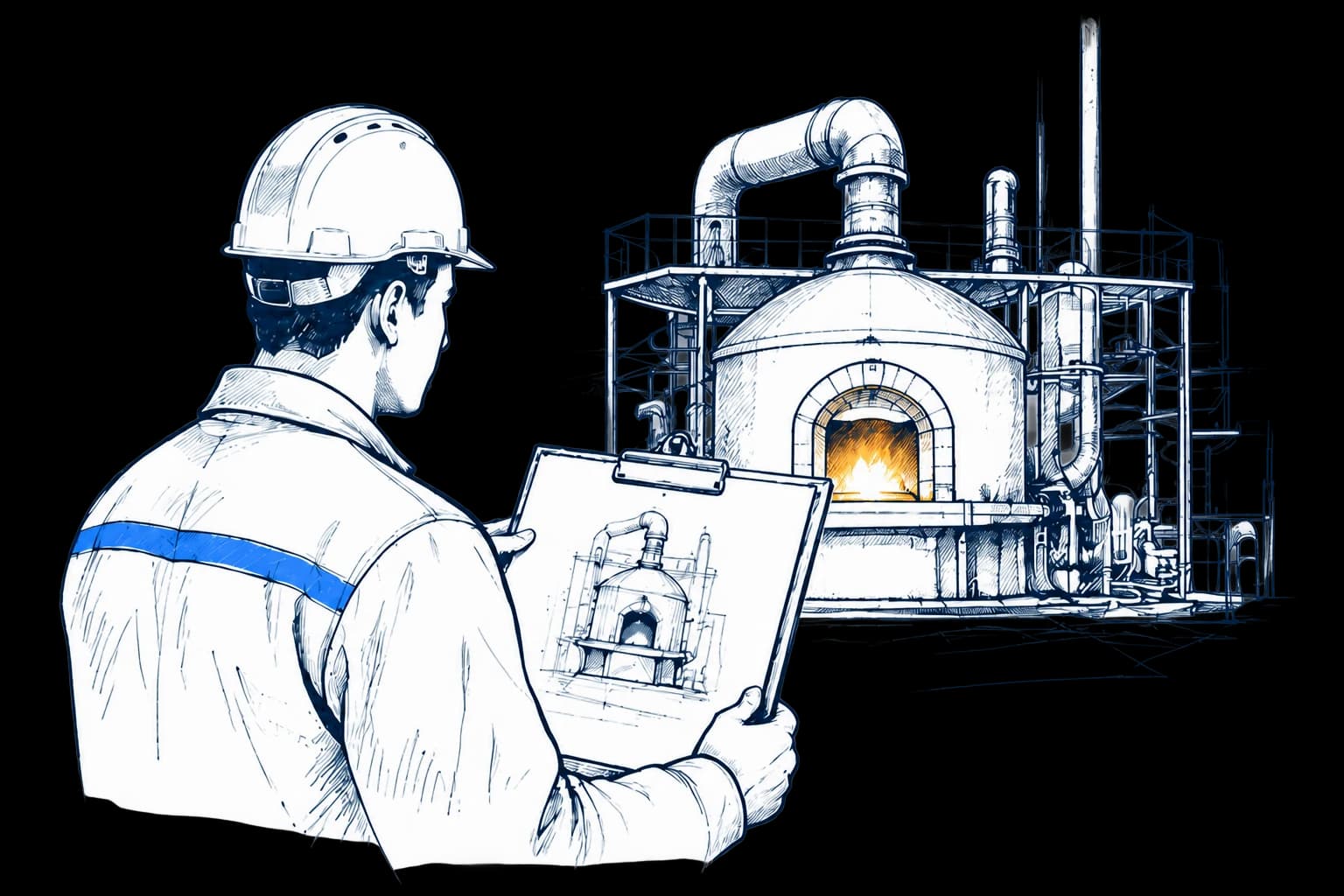
A drop-bottom solution furnace, tank below and adjacent separate aging furnace are one possible arrangement. Equipment can be adapted to loading and transfer requirements.
Time soaking and quench delay separately, using start/end criteria from the adopted specification. Define and record whether post-quench holding is needed, its conditions and the allowed interval before artificial aging against the alloy and specification.
Natural and artificial aging are different process arrangements. Add straightening, cold work, refrigerated storage or washing where required; these are not default line equipment.
Highlights identify functional areas. Equipment and layout follow the agreed proposal.
Specify the part temperature/time cycle before selecting furnaces, racks, transfer systems and cooling capacity.
Scroll horizontally to view the complete comparison
| Configuration item | Equipment & interface requirements |
|---|---|
| Solution furnace | Design the effective heating zone, circulation and airflow guides for representative loading. Establish soaking conditions using part measurements and control overheating and incipient-melting risks. |
| Rapid transfer | Select drop-bottom or other transfer around allowable quench delay. Check rack loading, doors, transfer path and tank-entry conditions. |
| Quench tank | Check effective liquid volume, agitation, temperature control, heat exchange and level against part and rack heat load. For successive batches, also check medium recovery time. |
| Aging furnace | Match effective heating zone, circulation and loading to the artificial-aging cycle. Validate its operating temperature range separately and balance capacity with solution-treatment batches. |
| Temperature measurement & records | Distinguish instrument readings, furnace temperature distribution and part temperature. Arrange measurement checks to the adopted specification and link recipes, transfer, medium and batch records. |
Maximum equipment temperature, controller accuracy and effective-zone uniformity are different measures. None alone proves that the entire load has reached soaking conditions.
Theoretical batch throughput equals net part mass per batch multiplied by completed batches in the same reporting period. Rack mass counts toward mechanical and thermal load, not product output. Operations may run in parallel; schedule around solution, transfer, quench recovery, aging and handling bottlenecks rather than adding furnace outputs. Conforming output also accounts for changeovers, downtime and inspection. Continuous arrangements require a separate calculation from conveyor loading and process rhythm.
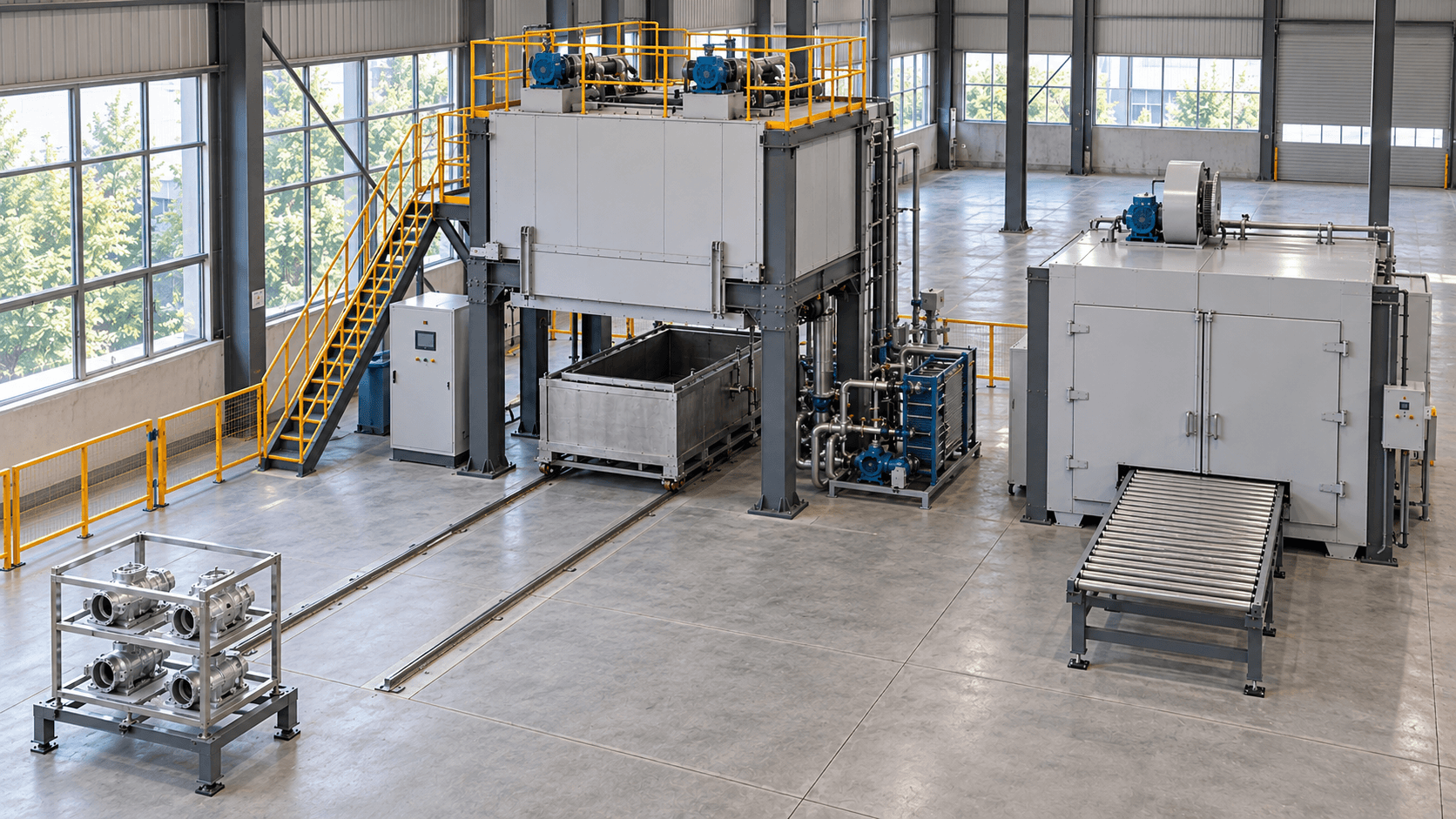
Define equipment, auxiliary systems and site interfaces.
List furnace quantities, racks, tanks, washing and utilities individually in the equipment list and technical agreement.
Agree representative materials, loading, methods and pass criteria before checking equipment, process and product separately.
Check loading/unloading, lifting, tank positioning, doors and interlocks. Verify alarms, fault holding, abnormal handling and operating records.
Check measurement systems, effective heating zones and representative-load part temperatures separately to the adopted specification. Verify soaking, quench delay, medium conditions and artificial-aging records.
Determine hardness, mechanical properties, dimensional distortion and any required conductivity, microstructure or corrosion tests from the product specification. Do not apply every test to every alloy.
Validate transfer, tank entry and medium recovery with agreed representative and boundary loads. Record post-quench holding, time overruns and abnormal batches, with disposition rules.
At site handover, check equipment functions, temperature measurement and agreed process/product verification separately. Follow the technical agreement for trial loads, sampling, criteria and responsibilities.
Review selection, auxiliary equipment and site integration for this process.
Quenching must preserve a suitable solution-treated condition for subsequent aging, as required by the alloy and product. Excessive delay or unsuitable cooling can affect properties and distortion. Define timing events, allowable delay and medium conditions from the adopted specification; one time limit cannot cover every aluminum alloy.
Not from that measure alone. Instrument readings, furnace distribution and actual part temperatures differ; surface measurement may not represent thick sections or the whole load. Define soak start, measurement positions and records using the specification and validated loading method.
Start with allowable quench delay, then compare part envelope, total rack mass, entry orientation, building height and maintenance. Drop-bottom transfer can shorten the vertical entry path. Other methods may also be assessed, but the complete loaded sequence must meet process requirements.
It can be assessed, but separately validate control, circulation, loading and records in both operating temperature ranges. Include cooling/changeover and furnace occupation in capacity calculations. A separate aging furnace can balance sustained production. Natural post-quench holding cannot replace specified artificial aging.
Define the inspection combination against alloy, target temper and product specification. Mechanical properties, distortion and applicable conductivity, microstructure or corrosion tests may also be needed. Agree test parts, sampling, criteria and responsibilities; empty-furnace tests cannot replace agreed product verification.
Aluminum Solution Treatment & Aging Line · Project consultation
Tell us about the workpiece, throughput or existing equipment issue. Drawings and detailed parameters can follow.
What you will receive