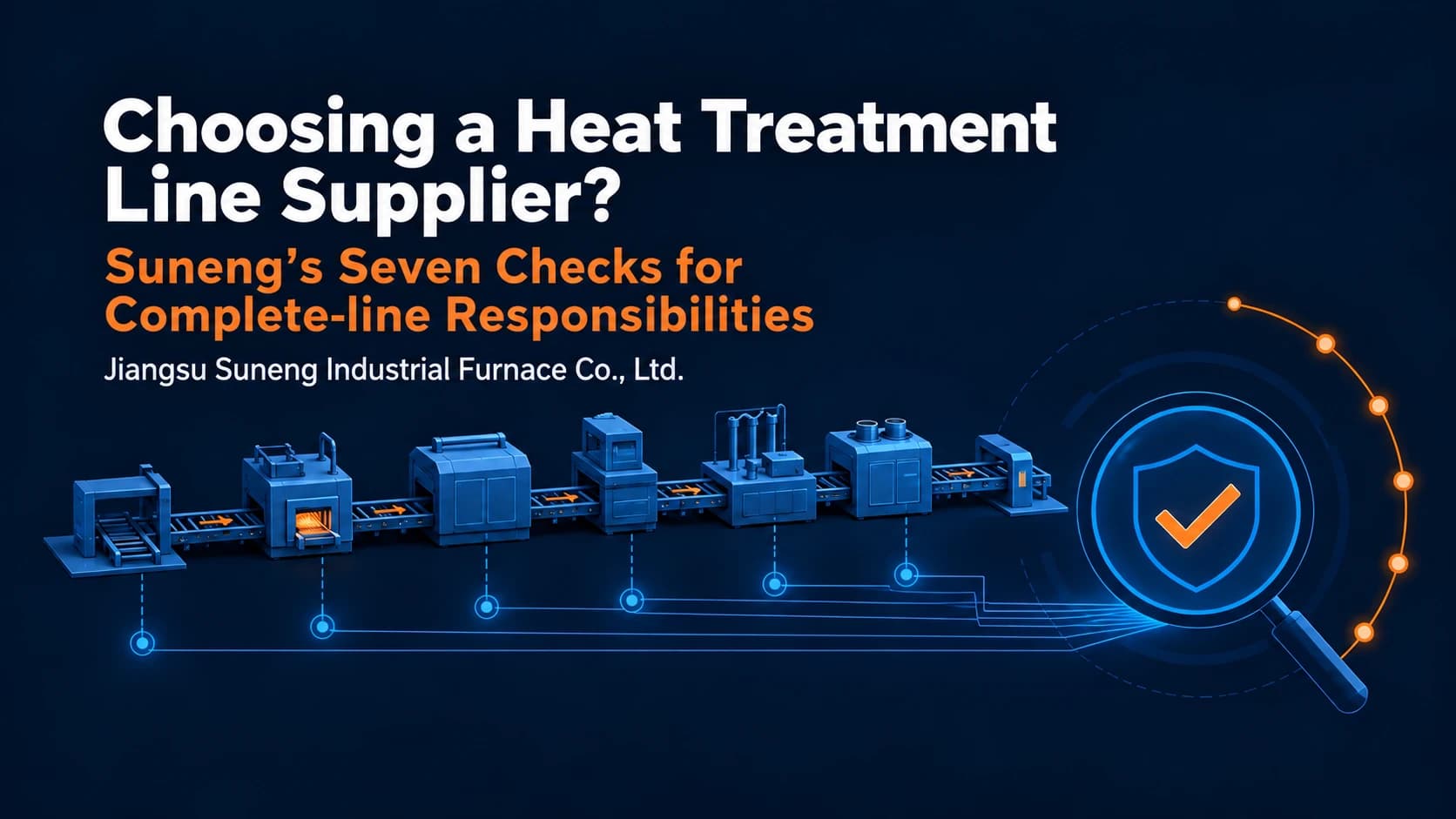
Choosing a Heat Treatment Line Supplier: Suneng’s Seven Checks for Complete-line Responsibilities
Align inputs, request evidence and assign supply, interfaces, commissioning and acceptance across the actual process line.
Explore equipment selection, quotation inputs, process quality, acceptance and furnace maintenance.
132 resources · Page 9 of 14

Align inputs, request evidence and assign supply, interfaces, commissioning and acceptance across the actual process line.

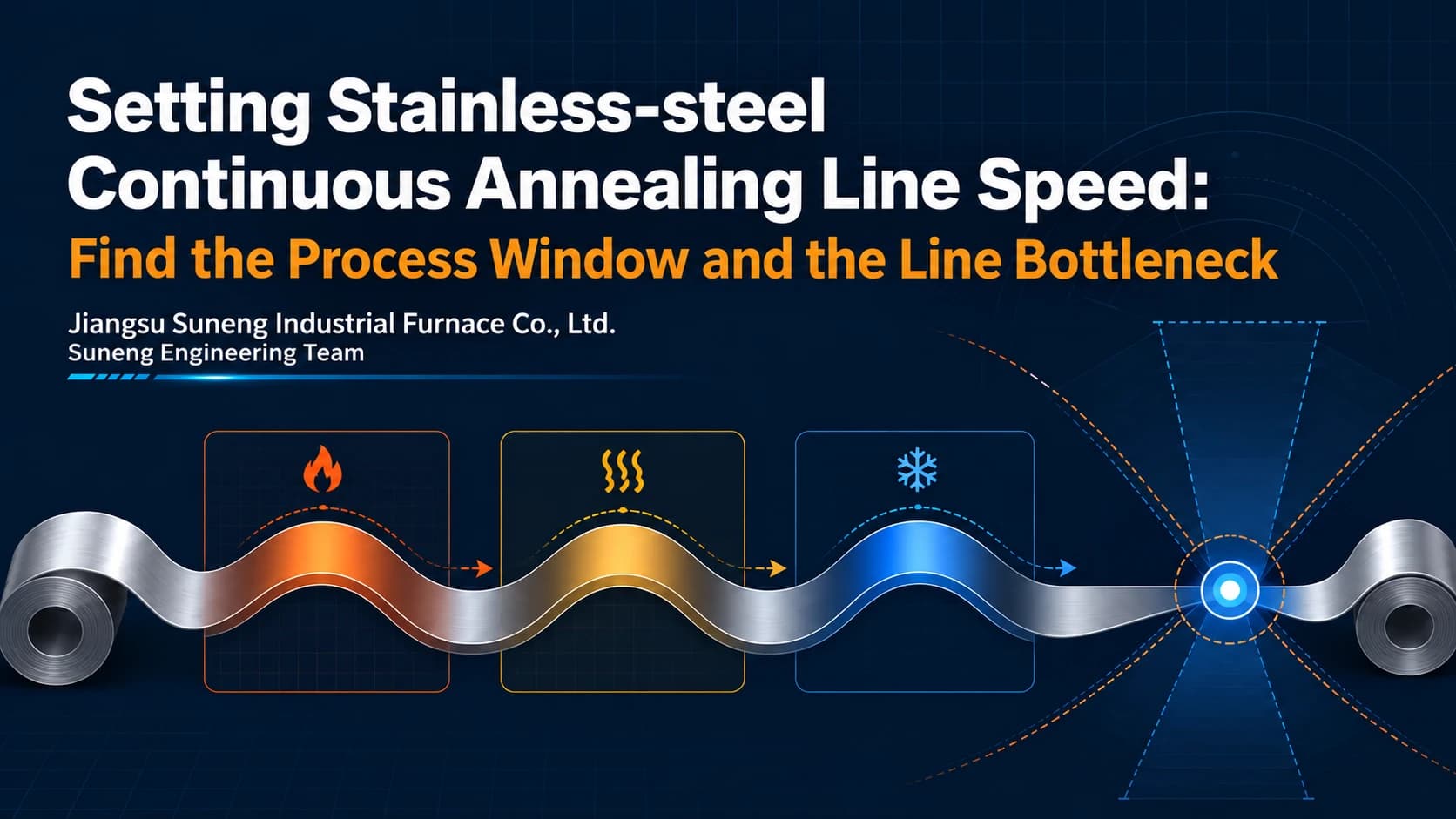
Calculate residence-time limits and required throughput separately, then verify the complete line under the defined product conditions.

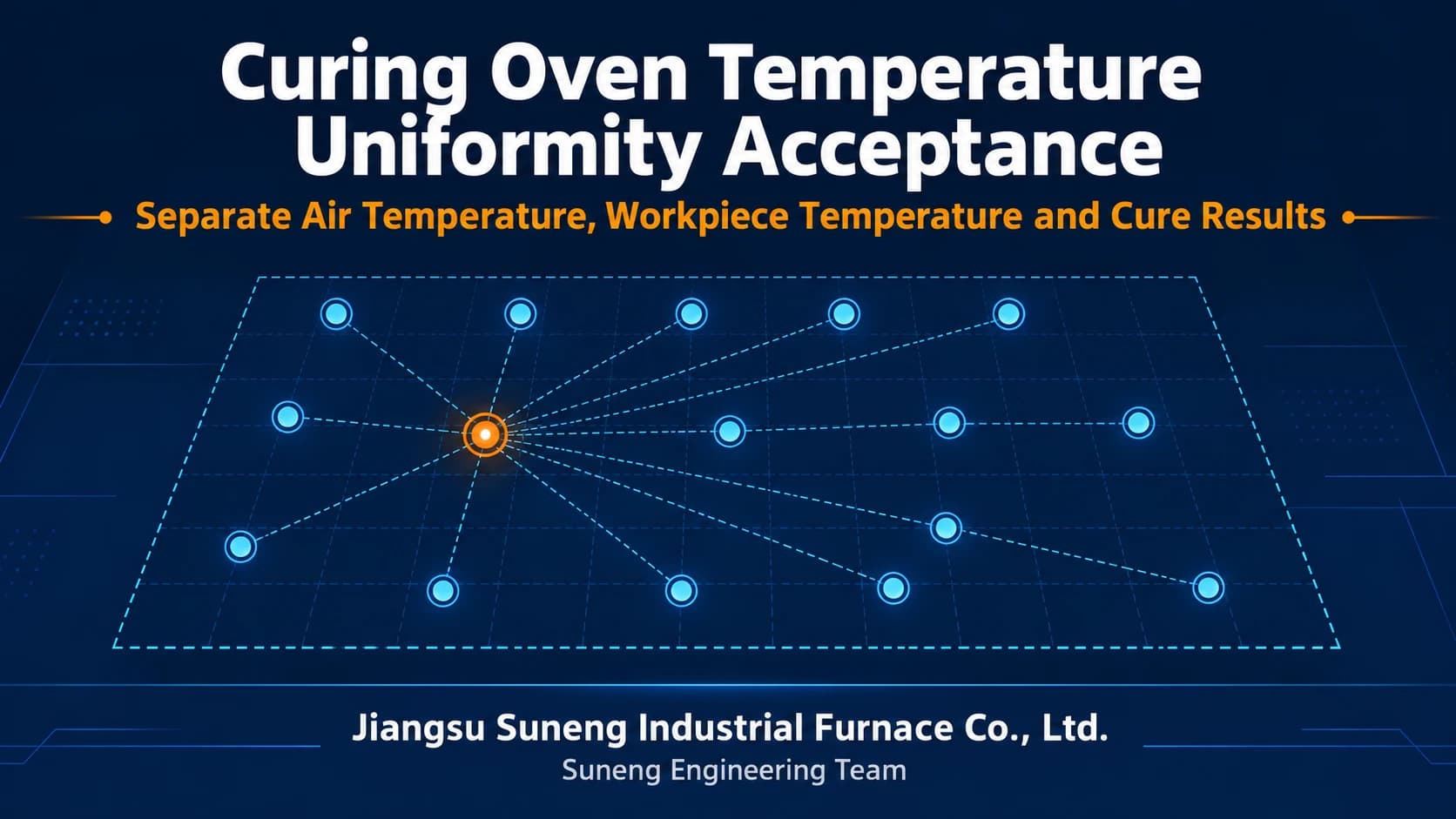
Verify four evidence layers with an agreed working zone, representative state, traceable measurement chain and complete records.

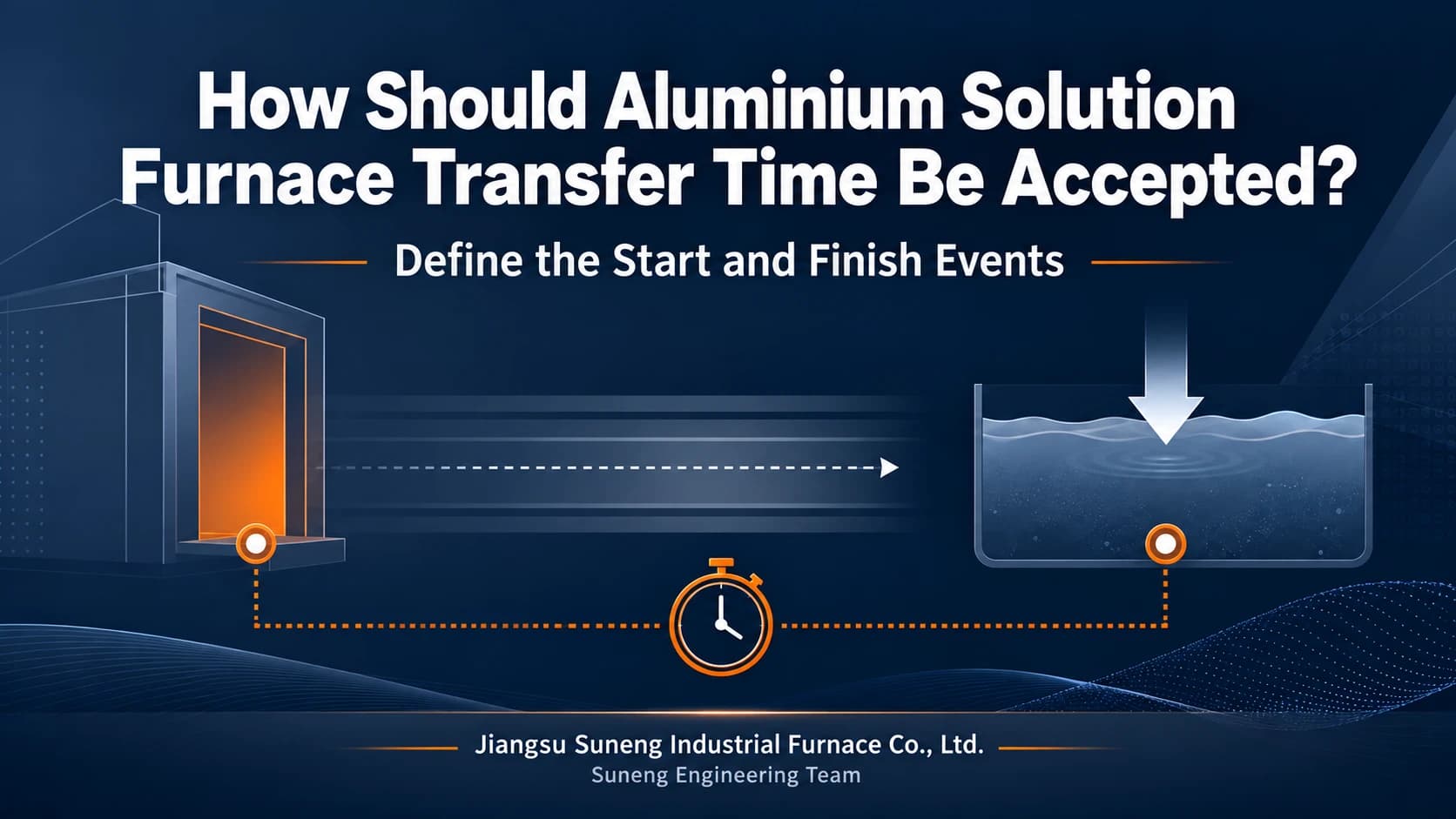
Use the applicable specification, representative loading and synchronized records to verify the complete transfer path.

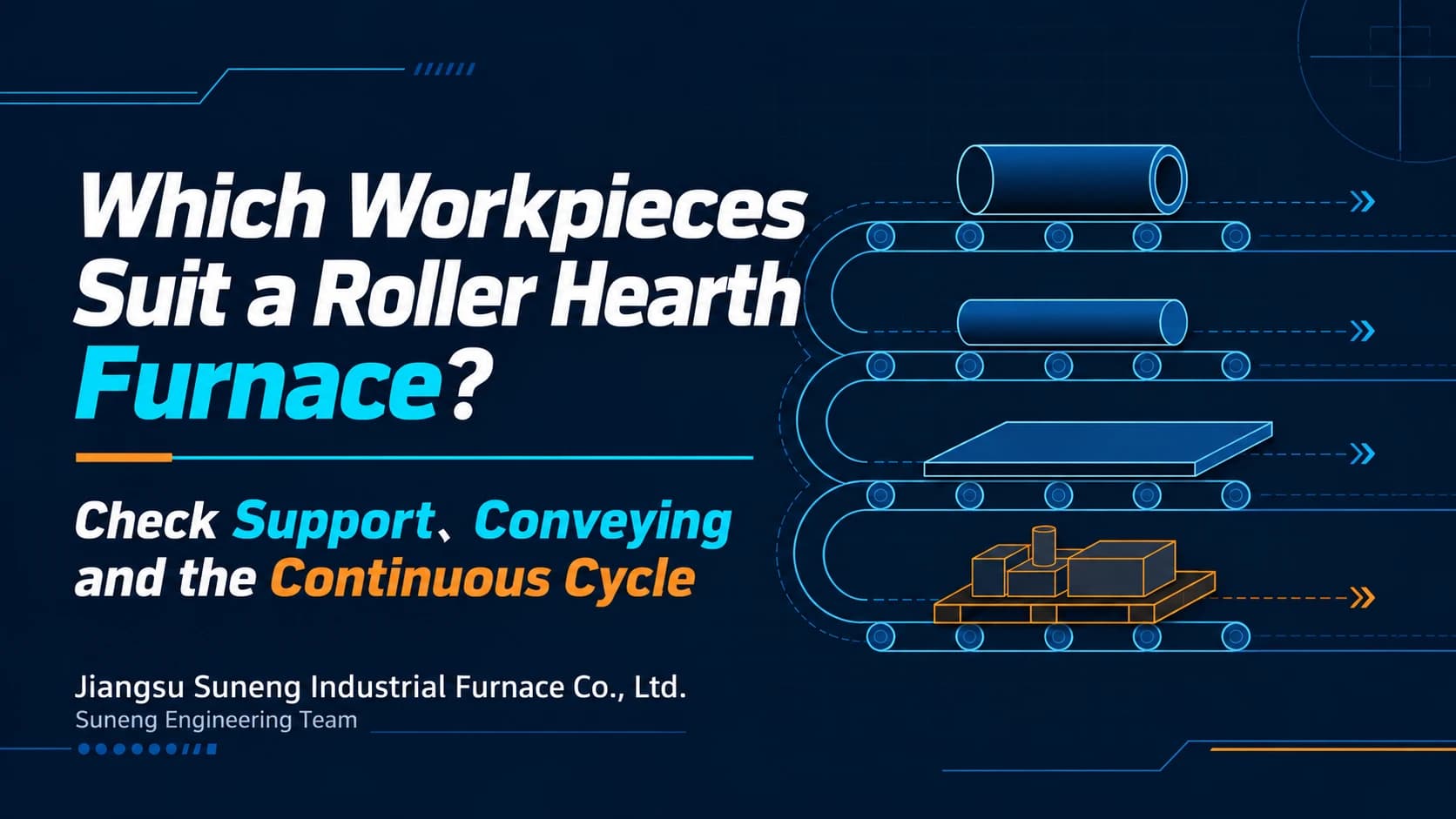
Assess support stability, distributed loading, process timing, interfaces and maintainability before selecting by workpiece name.

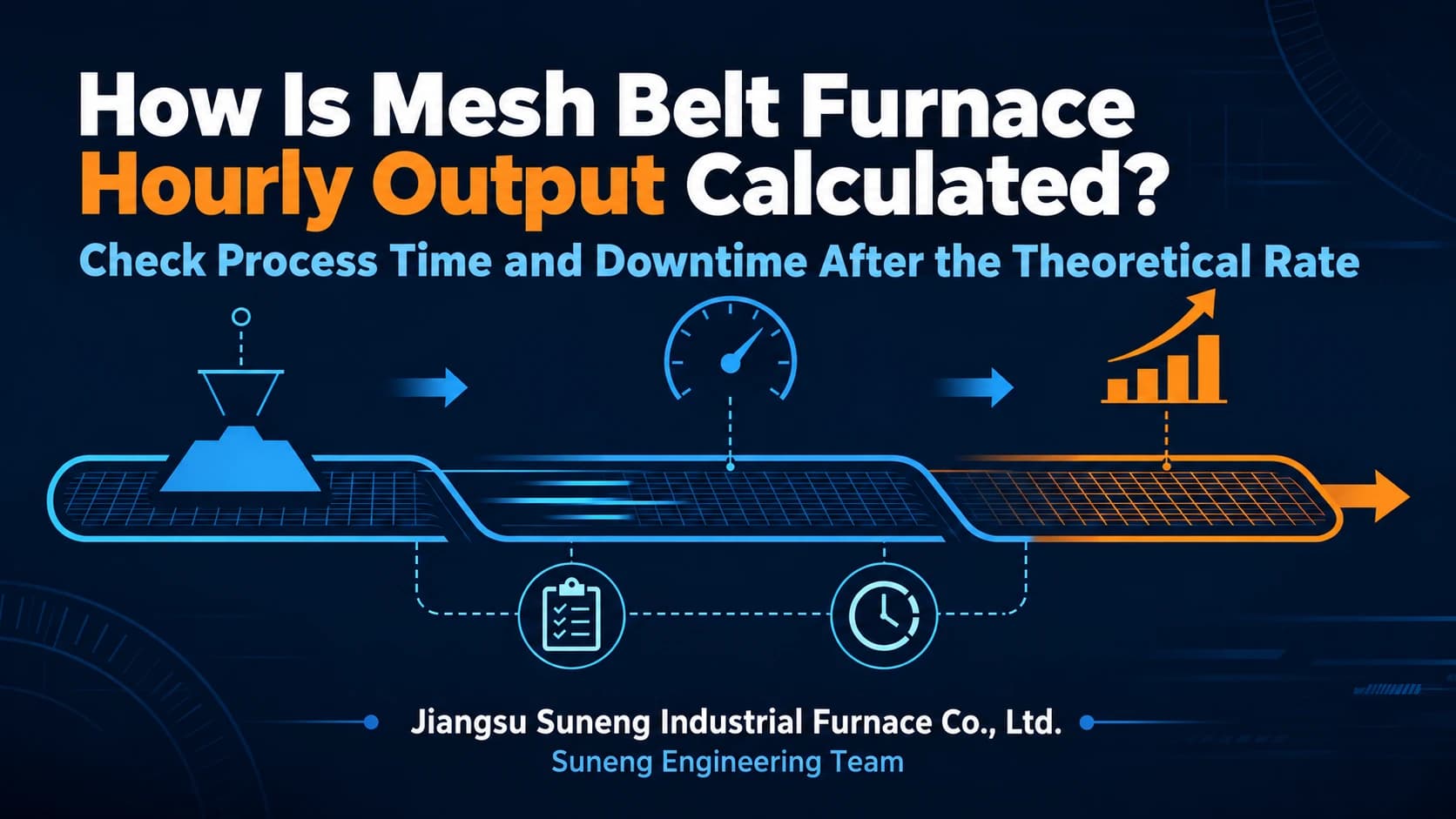
Use measured workpiece loading and effective width or mass per metre, then verify residence time, uptime, yield and line bottlenecks.

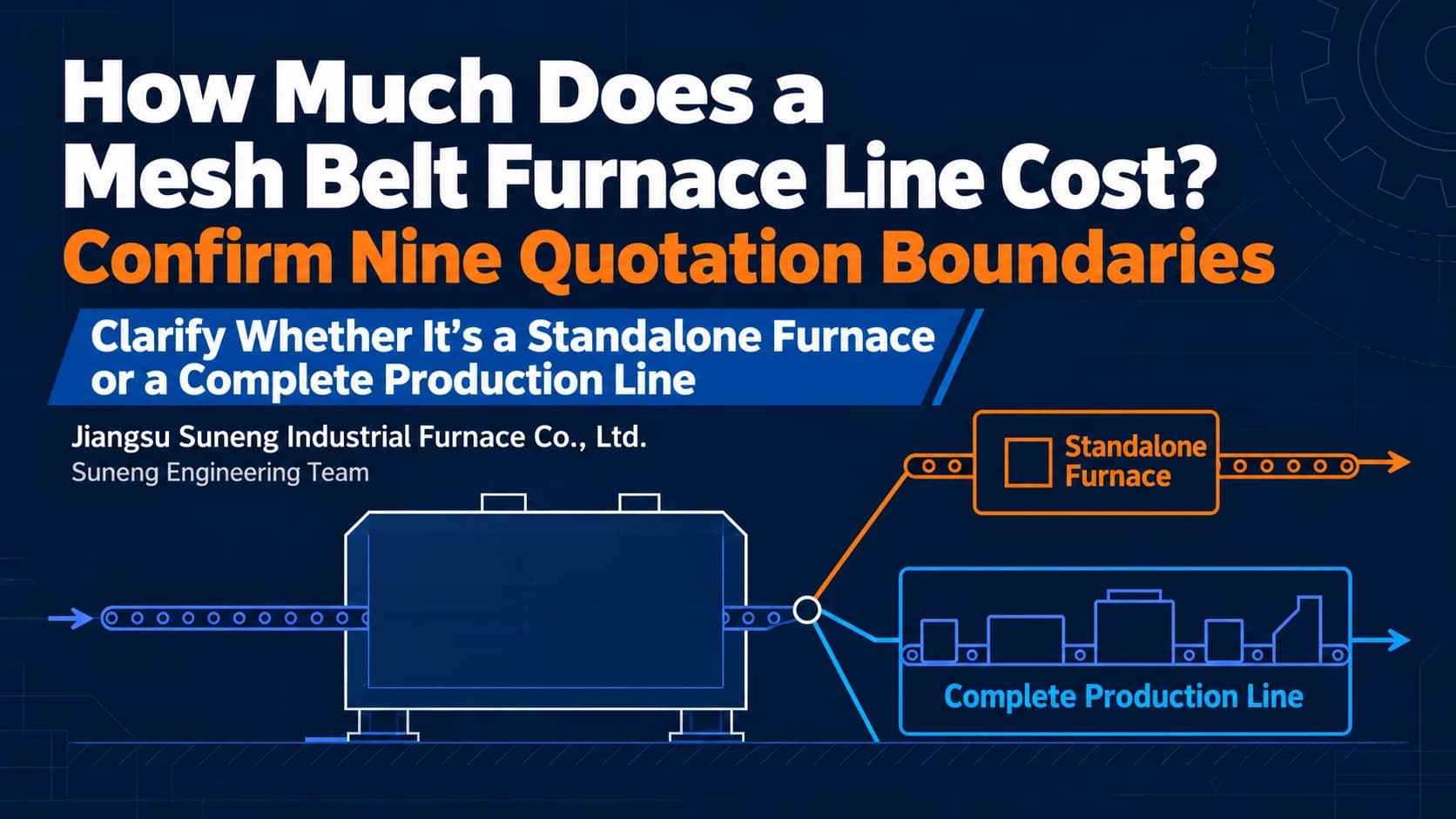
Align loading, throughput, residence time, conveying, heating, atmosphere, downstream treatment, automation and acceptance.

Founded in 2006, Suneng brings experience from more than 1,000 industrial furnace new-build and retrofit projects.

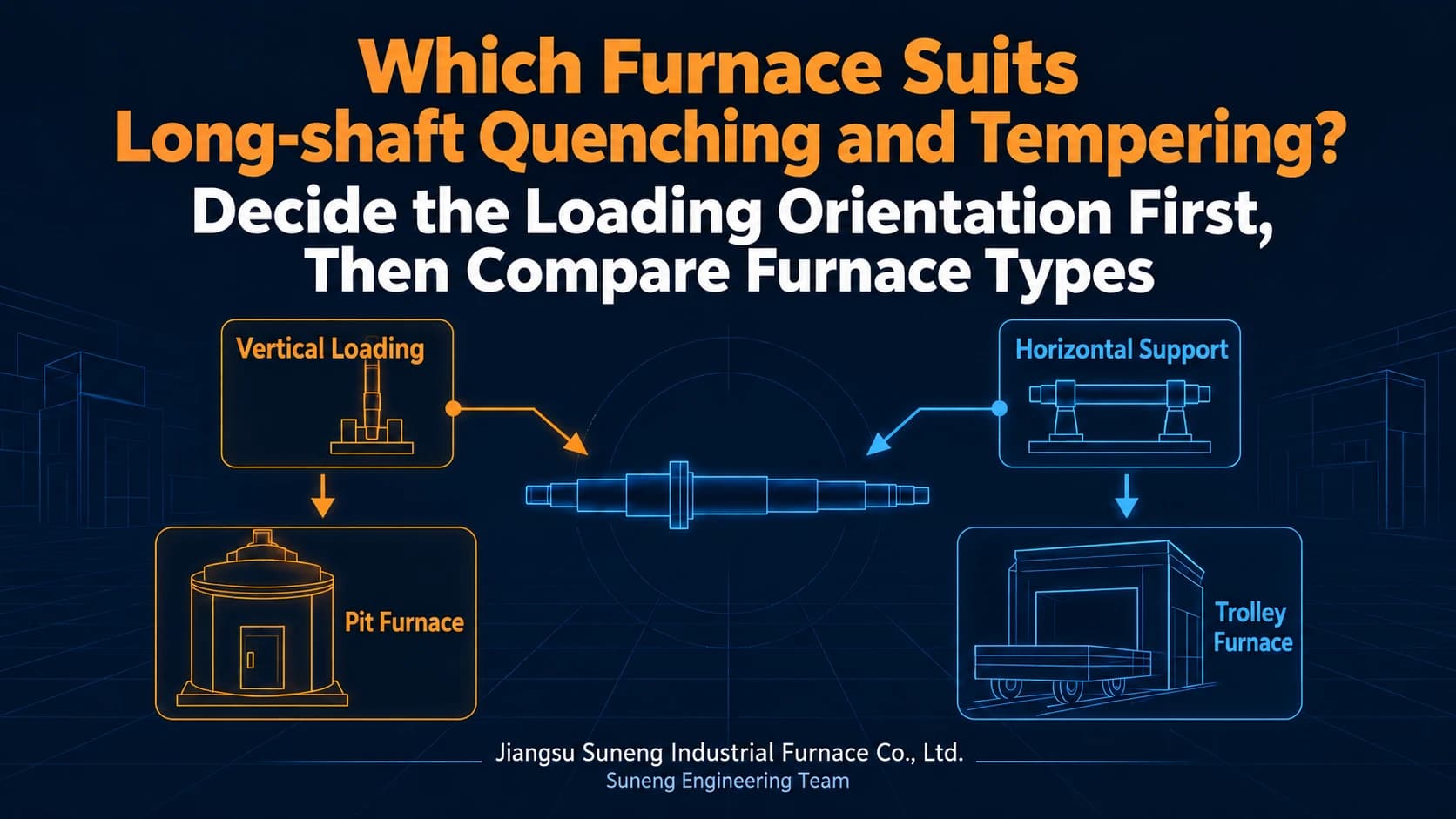
Choose the loading orientation first, then assess fixtures, handling, heat treatment, site access and three levels of acceptance.

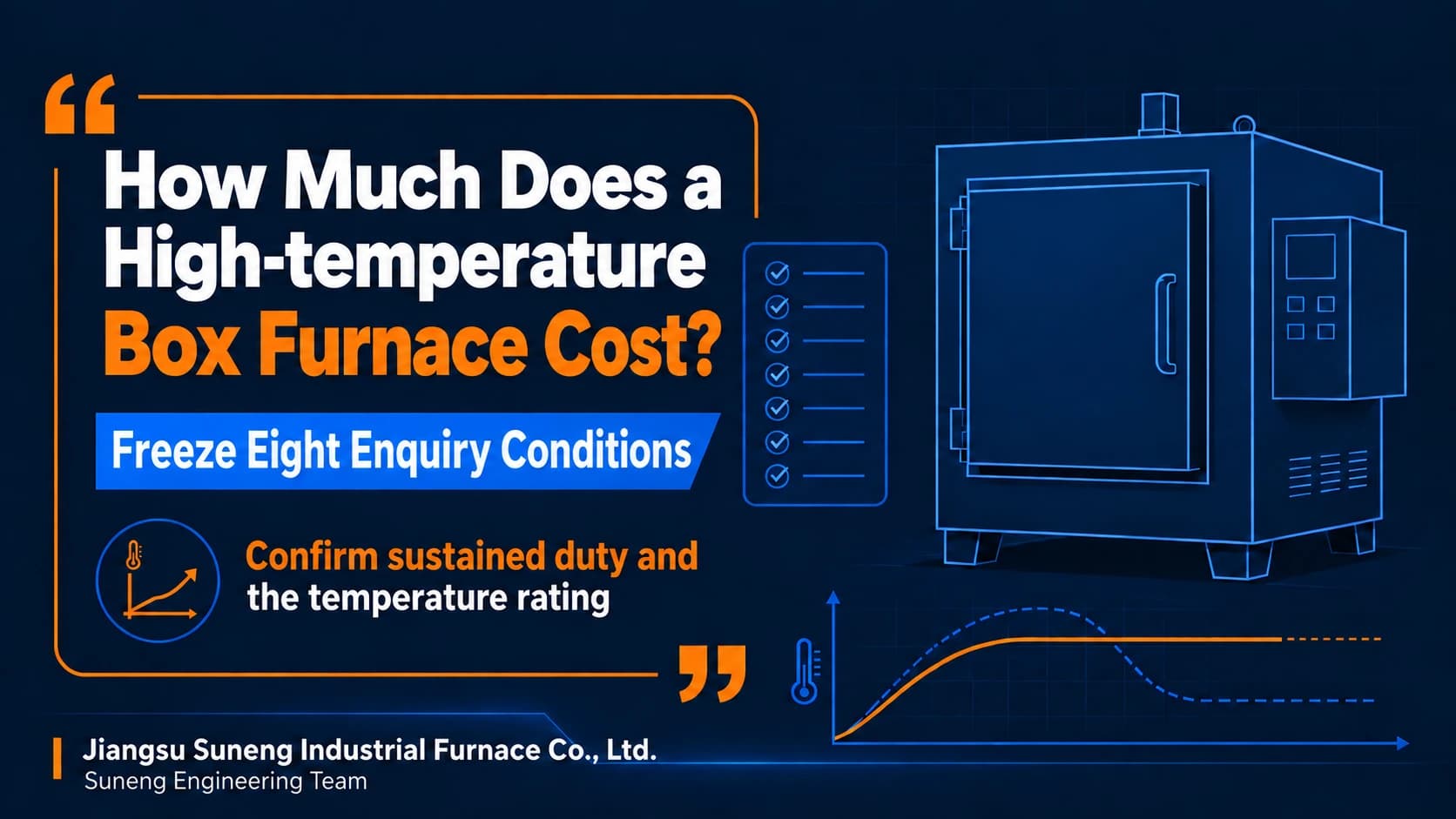
Compare sustained duty, workpieces, fixtures, lining, handling, atmosphere, controls and acceptance on the same basis.
Share workpiece, output or existing-equipment information so the engineering team can clarify the key requirements.