

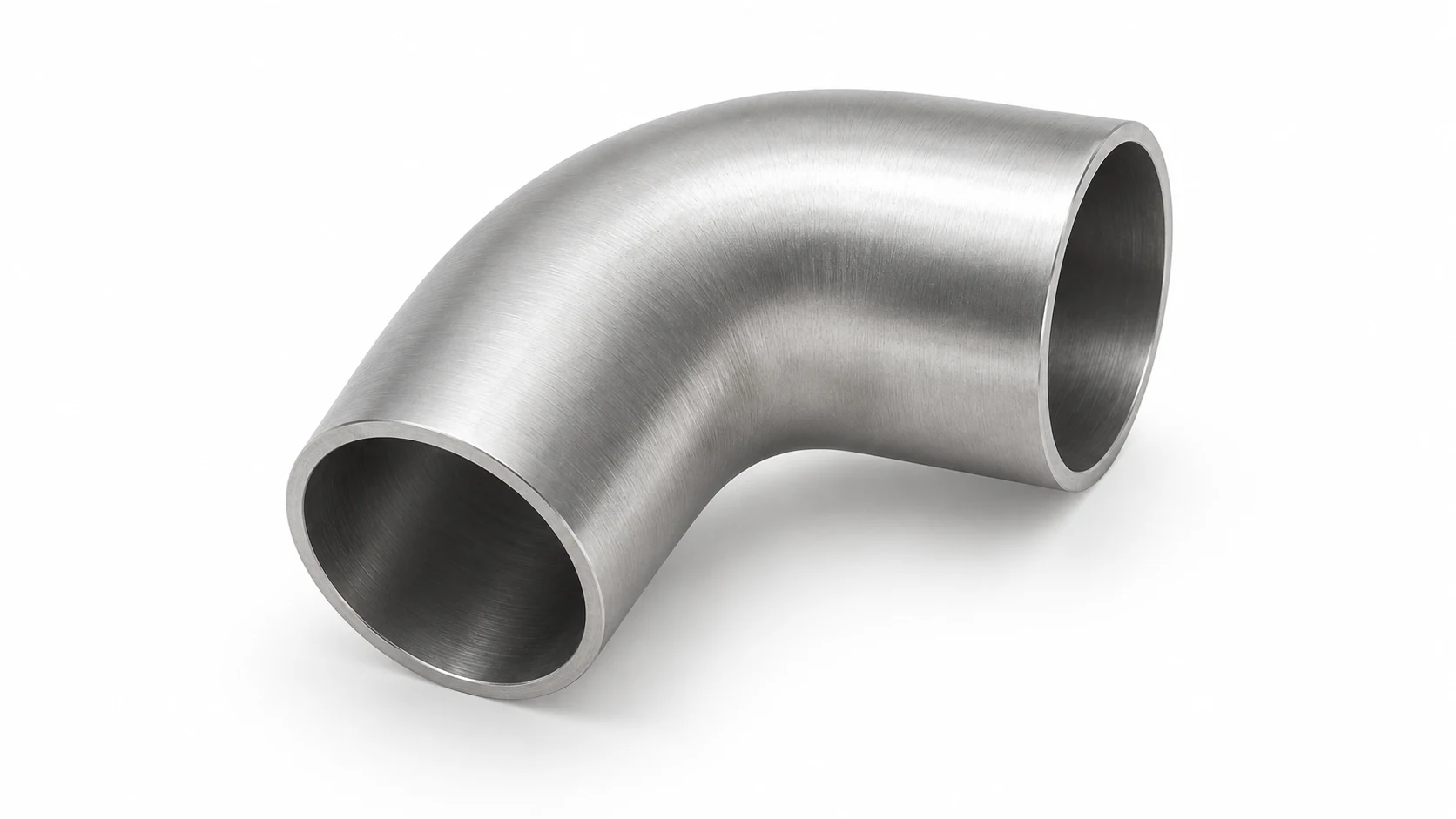
Gas-fired solution treatment of pipe fittings:
five trial batches with the buyer’s parts
After installation and commissioning, the agreement calls for five trial batches using the buyer’s stainless fittings. The buyer also supplies trays, lifting gear and blocks. Loaded acceptance checks the temperature curve, gas consumption and workpiece temperature variation.
- Trial batches required by the agreement
- 5
batches - Furnace charge
- 1
t/batch - Minimum required maximum load per lift
- ≥2
t
The 1-tonne furnace load excludes support blocks. The car rating assumes a uniformly distributed load including fixtures.
- Main equipment: Furnace, fork car and electrical controls. The agreement calls the car a fork-handling mechanism.
- Items prepared by the buyer: Trays, lifting fixtures, blocks, trial fittings, raw materials and consumables.
Load conditions for the five trials
Weigh the furnace load and the transport load separately
Allow 1 tonne of fittings per furnace batch. For the car, weigh the fittings and accompanying fixtures together.
Prepare each batch
Check each batch’s fitting sizes, piece count, tray tare weight and arrival date.
Keep one record per trial batch
Record the temperature curve, gas consumption and soaking temperatures against each batch number.
Installation, commissioning and five trial batches
Full-line process flow
Select a process card to view its animation
Division of supply and load conditions
The furnace rating refers to the fittings. The car rating refers to fittings and fixtures together.
| Agreement item | Application to trial production |
|---|---|
| Furnace charge | 1 tonne per batch excluding support blocks. Prepare each batch of fittings to the agreed loading pattern. |
| Carrying capacity of the fork car | With a uniformly distributed load including fixtures, the maximum capacity per lift must be at least 2 tonnes. Weigh the fittings and fixtures together for transfer. |
| Trial materials | The buyer supplies the workpieces, raw materials and consumables. Confirm the size, count, tray tare and delivery time for each batch. |
- Supplier’s scope
- Furnace, fork car, furnace-side natural-gas piping and valves, combustion-air supply, exhaust ducting including an 18 m stack, combustion system, electrical controls and equipment documents.
What does loaded acceptance involve?
Start with factory inspection, then site installation, no-load commissioning and loaded heat-up. Fittings heat on a tray or in a basket and travel to the water with the fixtures. Acceptance requires five trial batches and compliance with the performance criteria: process curve, gas use, furnace uniformity during soaking and workpiece temperature variation.
Furnace and agreed equipment systems; complete the specified inspection and commissioning. Prepare trays, lifting gear, support blocks and trial fittings. Run empty, then under load, then process five trial batches on site. The specified charge is 1 tonne per batch.
Common questions
Workpieces, fixtures and acceptance criteria for the five trial batches.
Whose fittings are used after commissioning?
Use the buyer’s stainless fittings. The buyer also supplies trays, lifting gear, blocks, raw materials and consumables for the trial.
Which furnace-side systems are included?
Along with the furnace and car, the supplier provides gas piping and valves, combustion air, exhaust ducting with an 18 m stack, combustion equipment, controls and equipment documents.
How many trials are required and what is checked?
Five trial batches of the buyer’s fittings. Check the process temperature curve, natural-gas consumption, furnace uniformity during soaking and temperature differences within the workpiece load.
Reference: 2011 technical agreement for the gas-fired rapid solution-treatment chamber furnace, section 8 (scope) and the terms for factory inspection, installation, commissioning, training and acceptance.