
PurchasingTrolley Furnaces
How to Read Trolley Furnace Specifications: Eight Parameters and Four Evidence States
Identify what each parameter measures, its operating conditions and whether it is an input, target, guarantee or measured result.

Explore equipment selection, quotation inputs, process quality, acceptance and furnace maintenance.
25 resources · Page 2 of 3
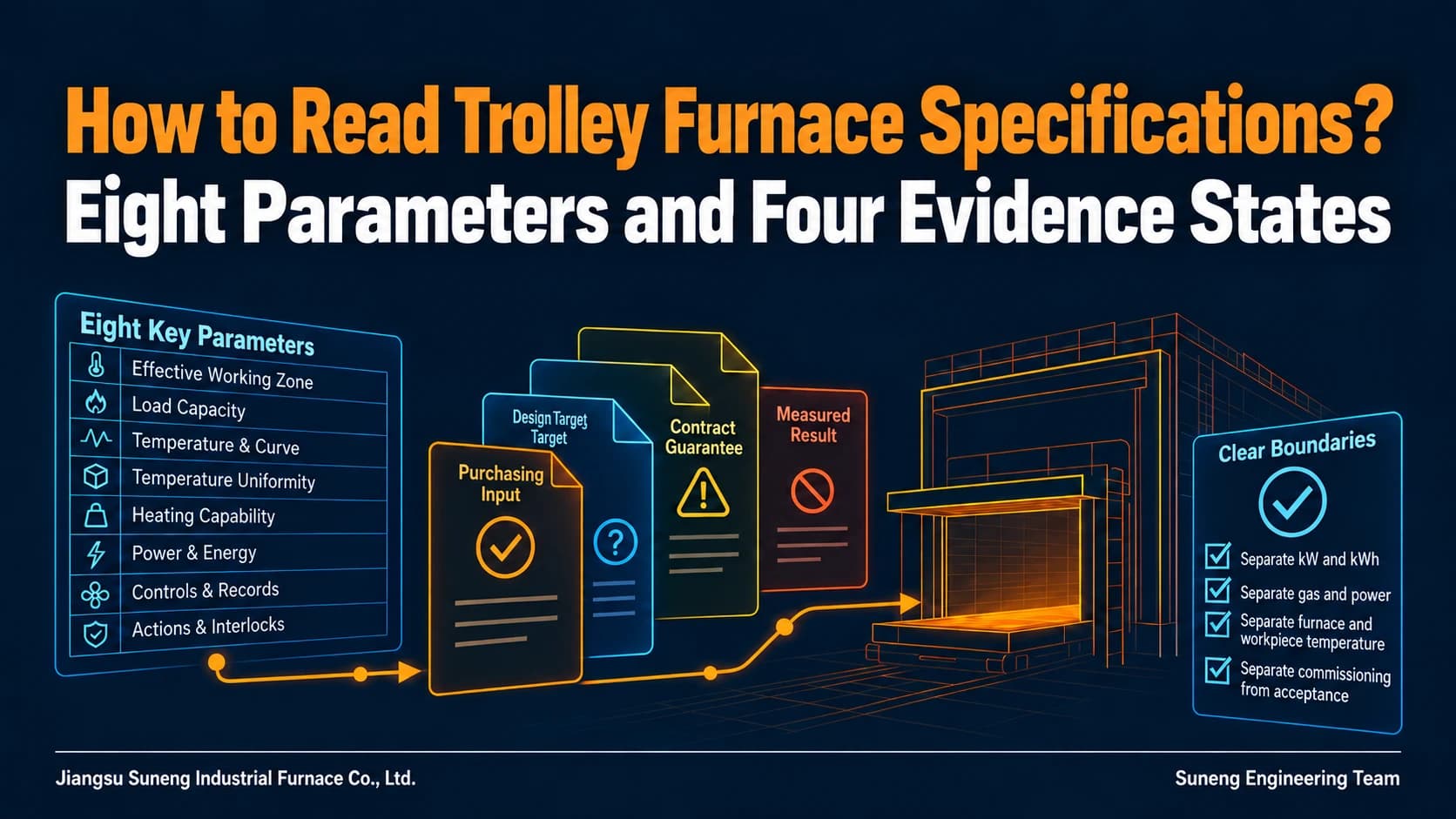
Identify what each parameter measures, its operating conditions and whether it is an input, target, guarantee or measured result.
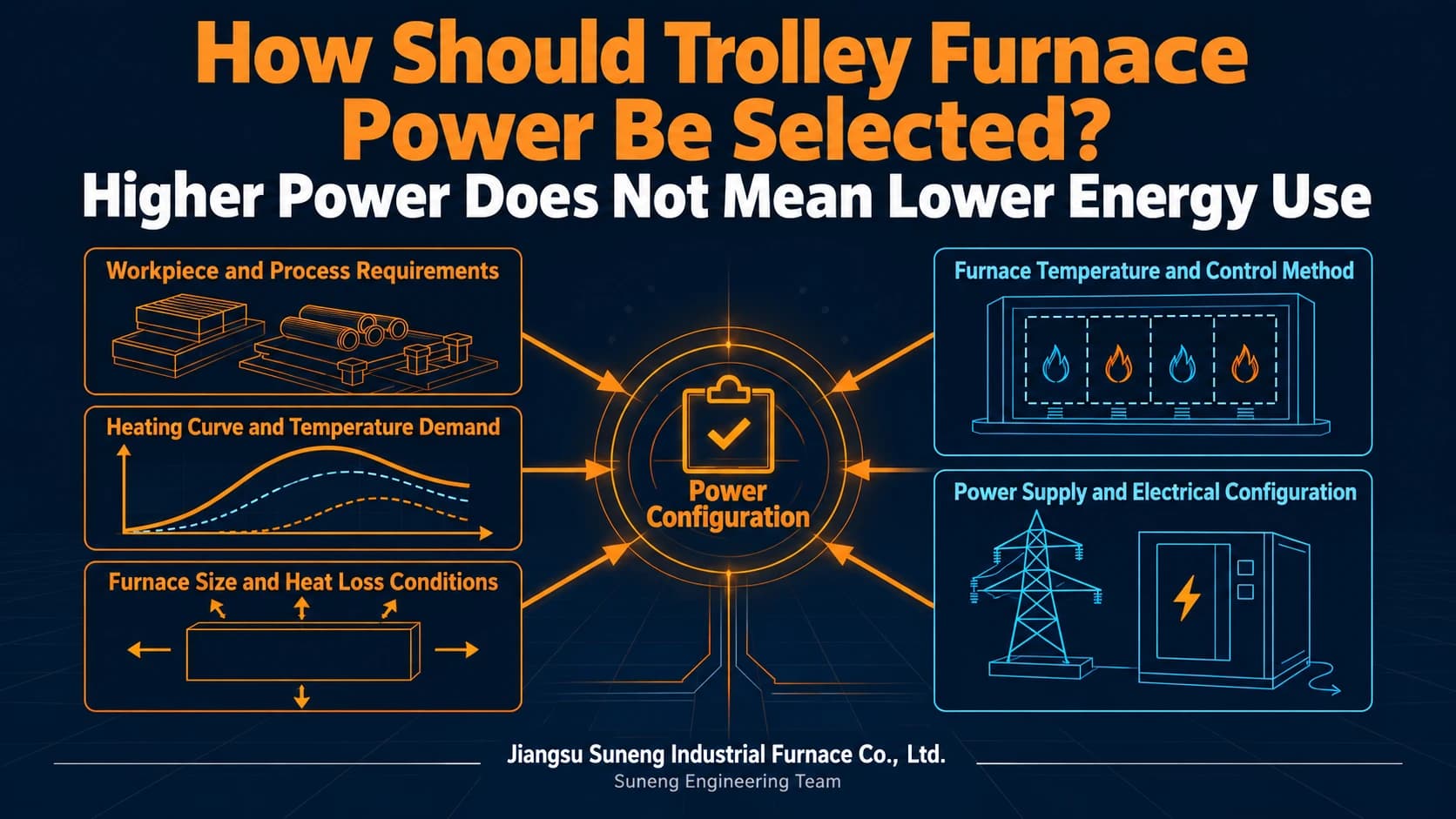
Separate installed heating capacity, operating input and metered energy, then review loading, curves, losses, zones and utilities.
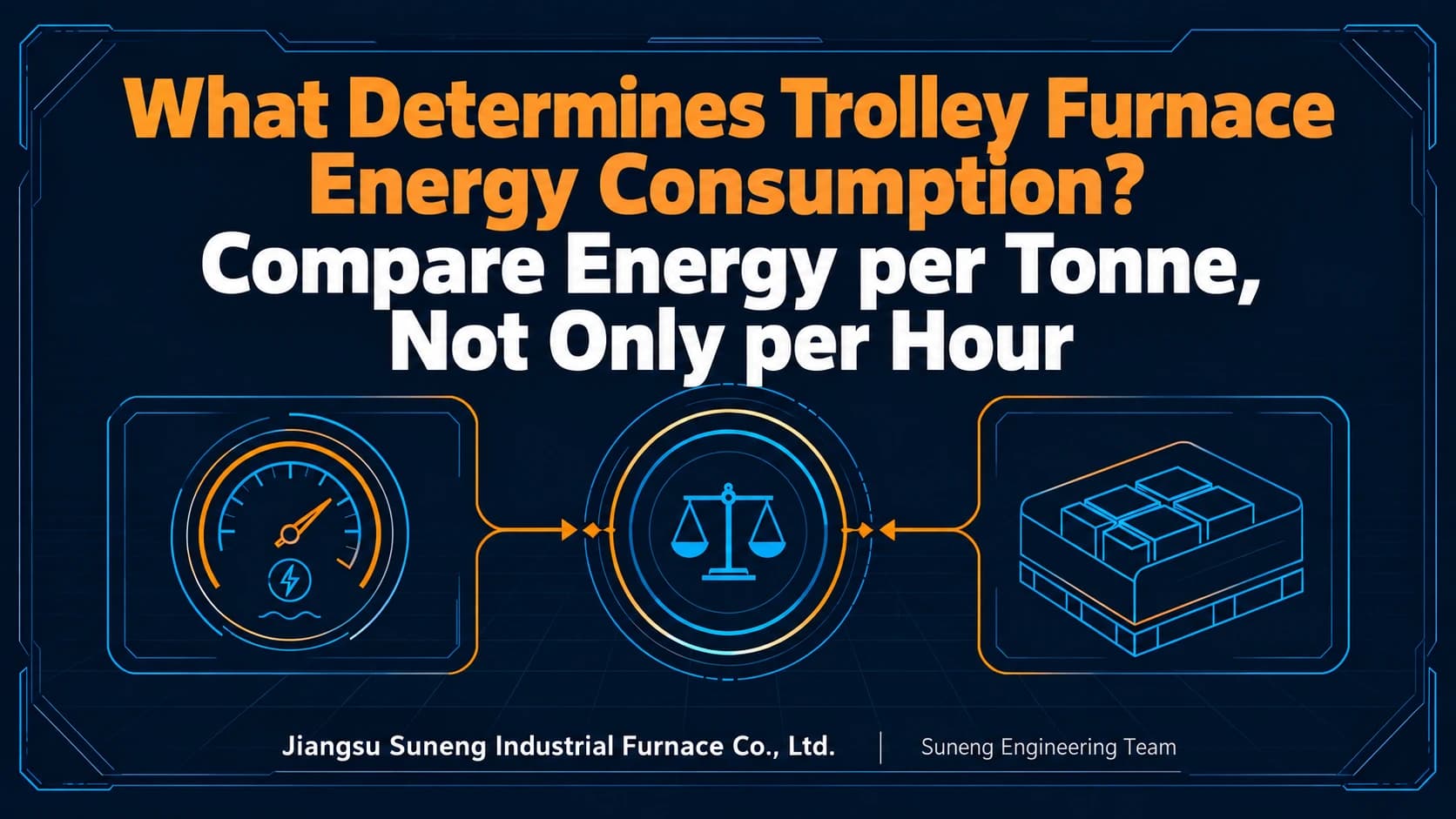
Use actual metered energy and conforming output under consistent loading, process and reporting conditions.
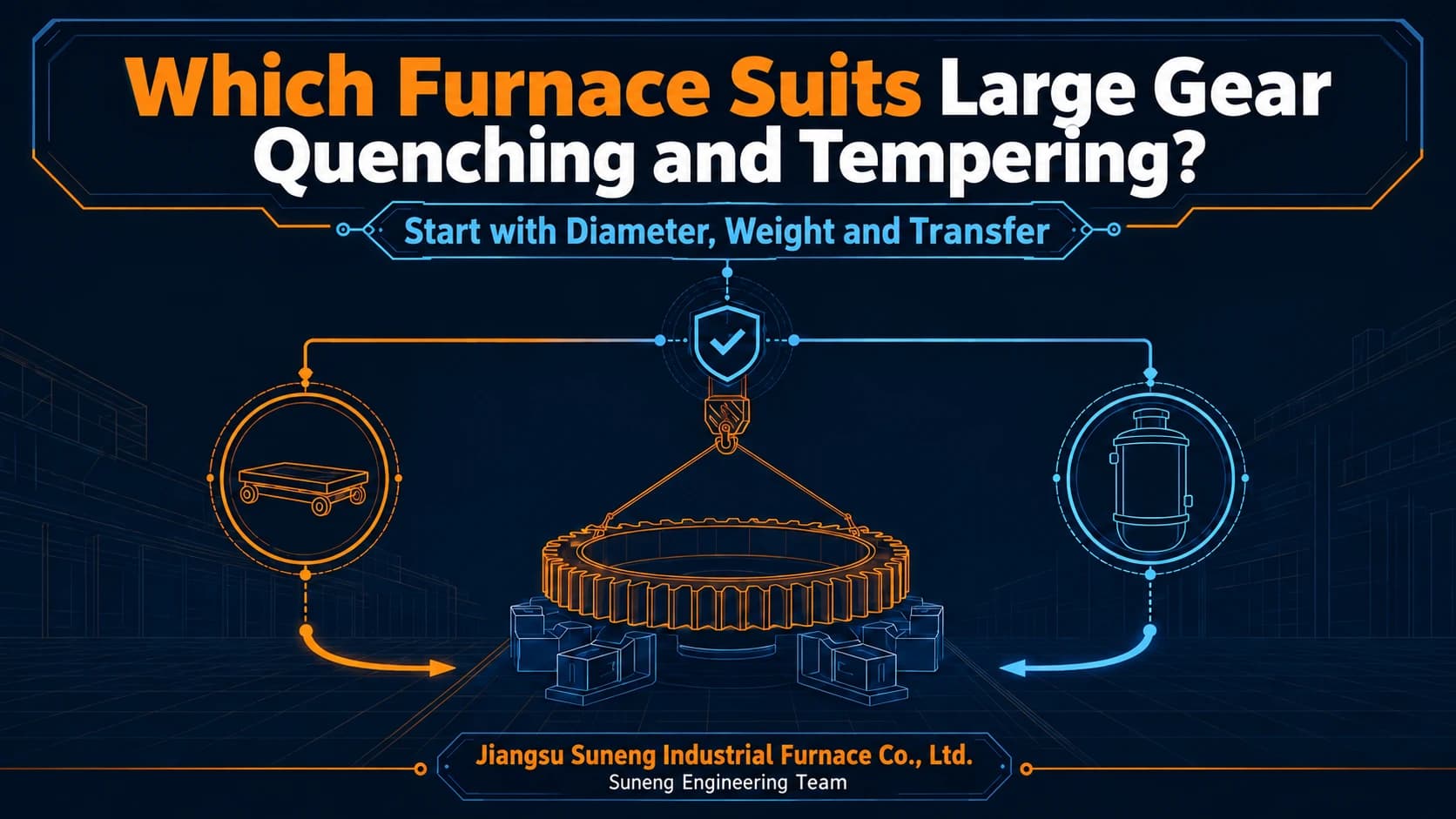
Compare trolley and pit arrangements after fixing six workpiece, loading, process and site conditions.
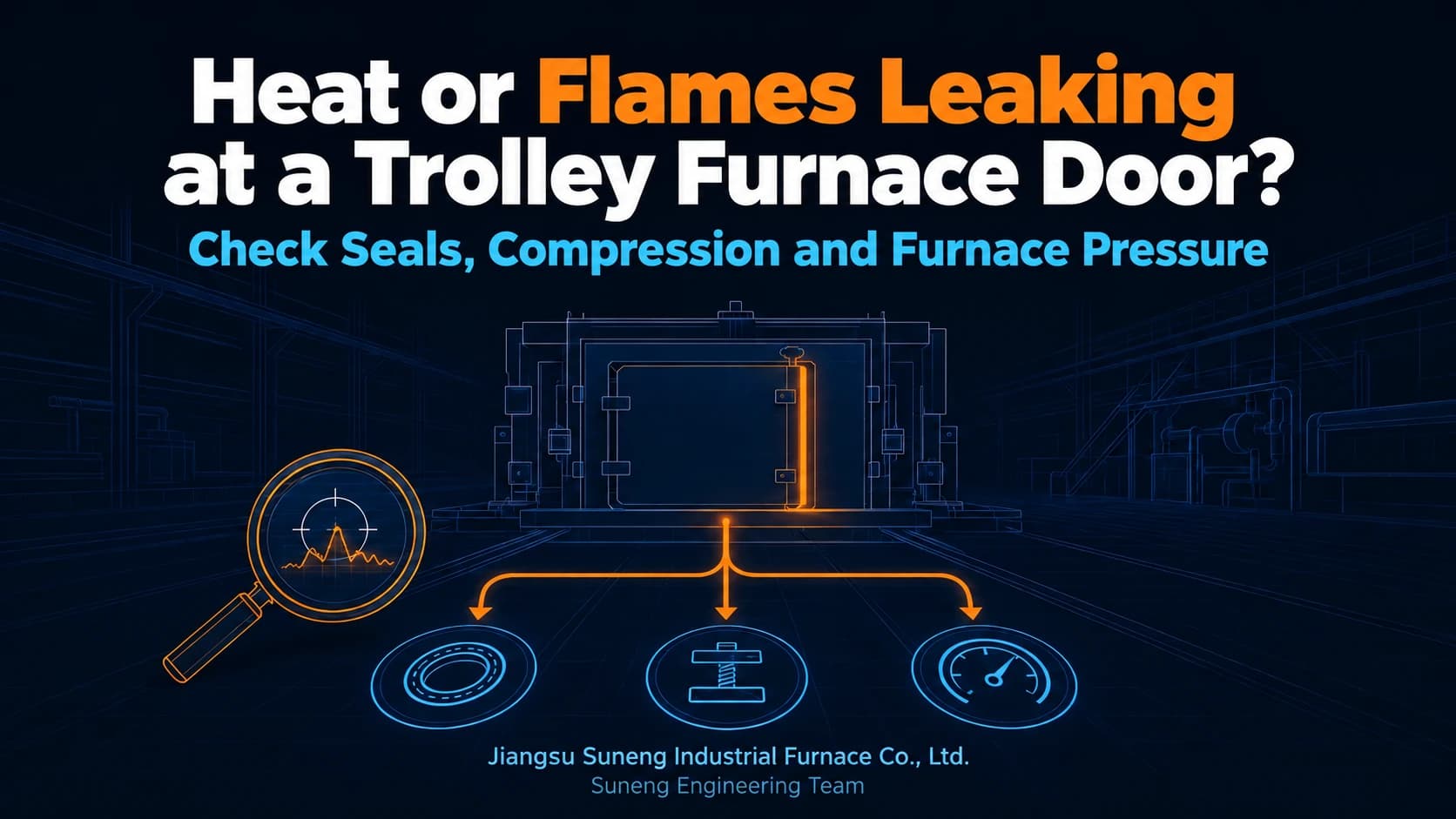
Control the immediate risk, then diagnose the door interface, mechanisms, geometry, pressure, lining and operating state together.
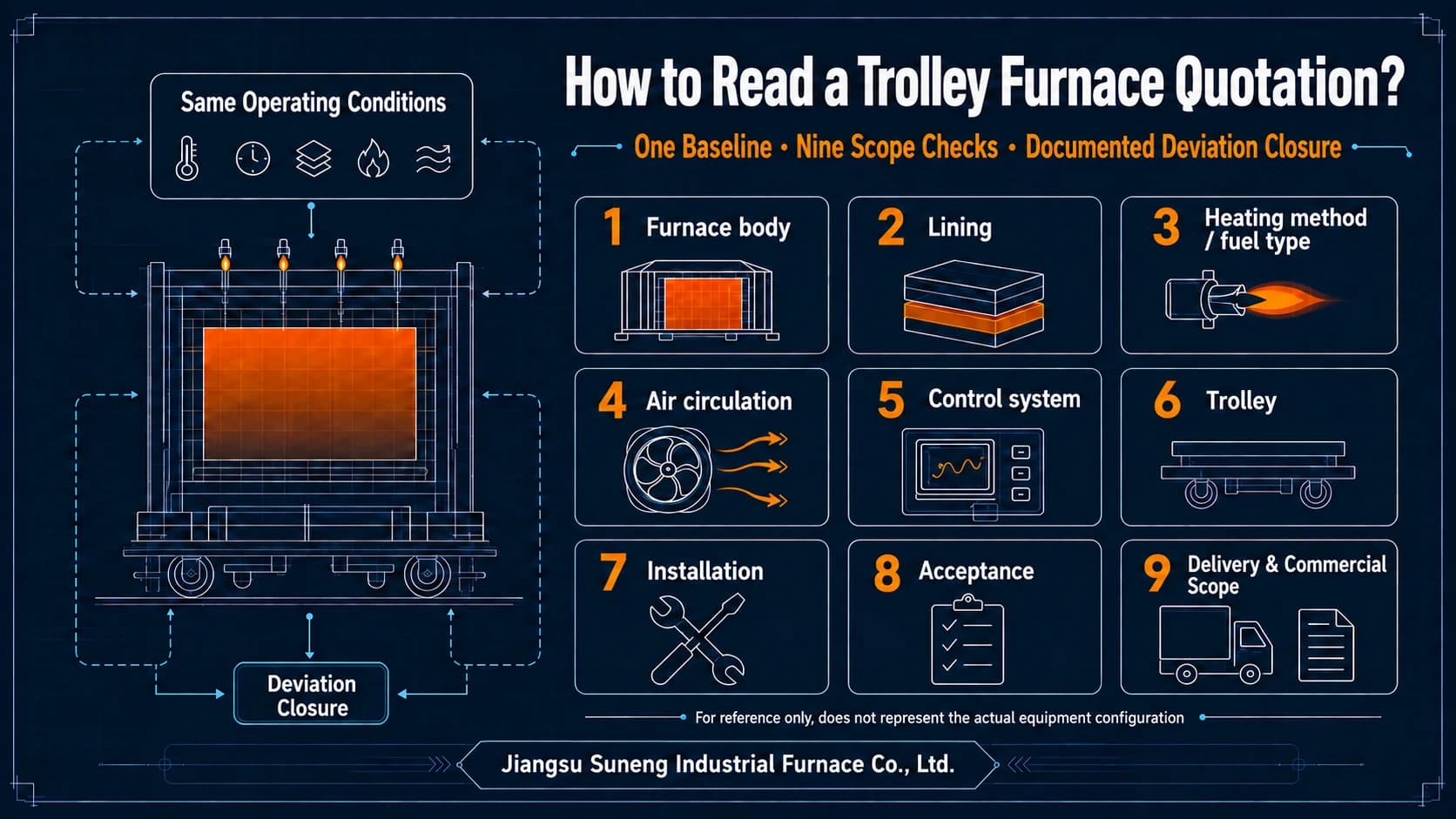
Establish one operating baseline, align nine scope areas and close documented deviations before comparing total prices.
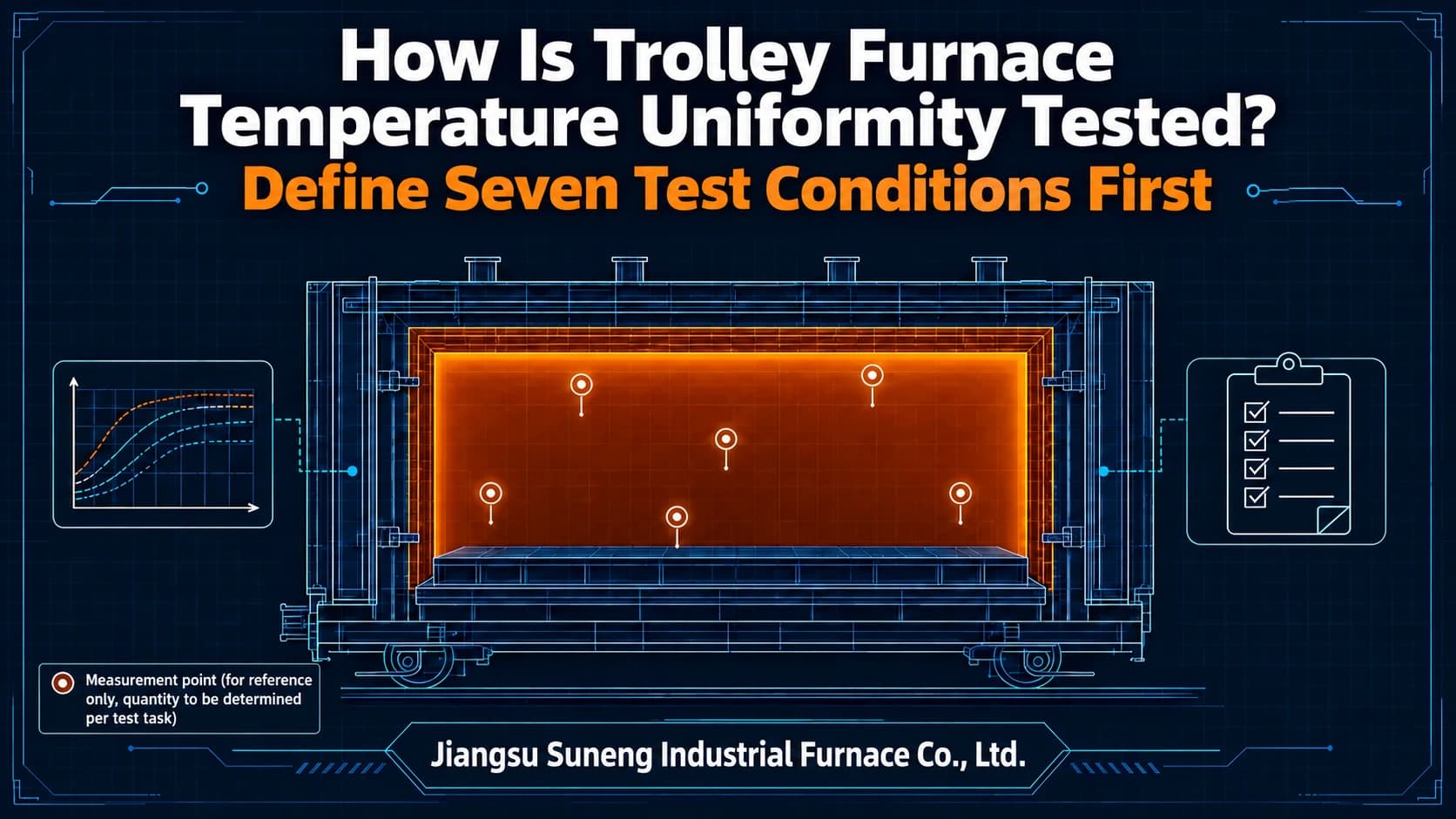
Make the zone, temperature, load, instruments, recording, calculations and retests explicit before comparing results.
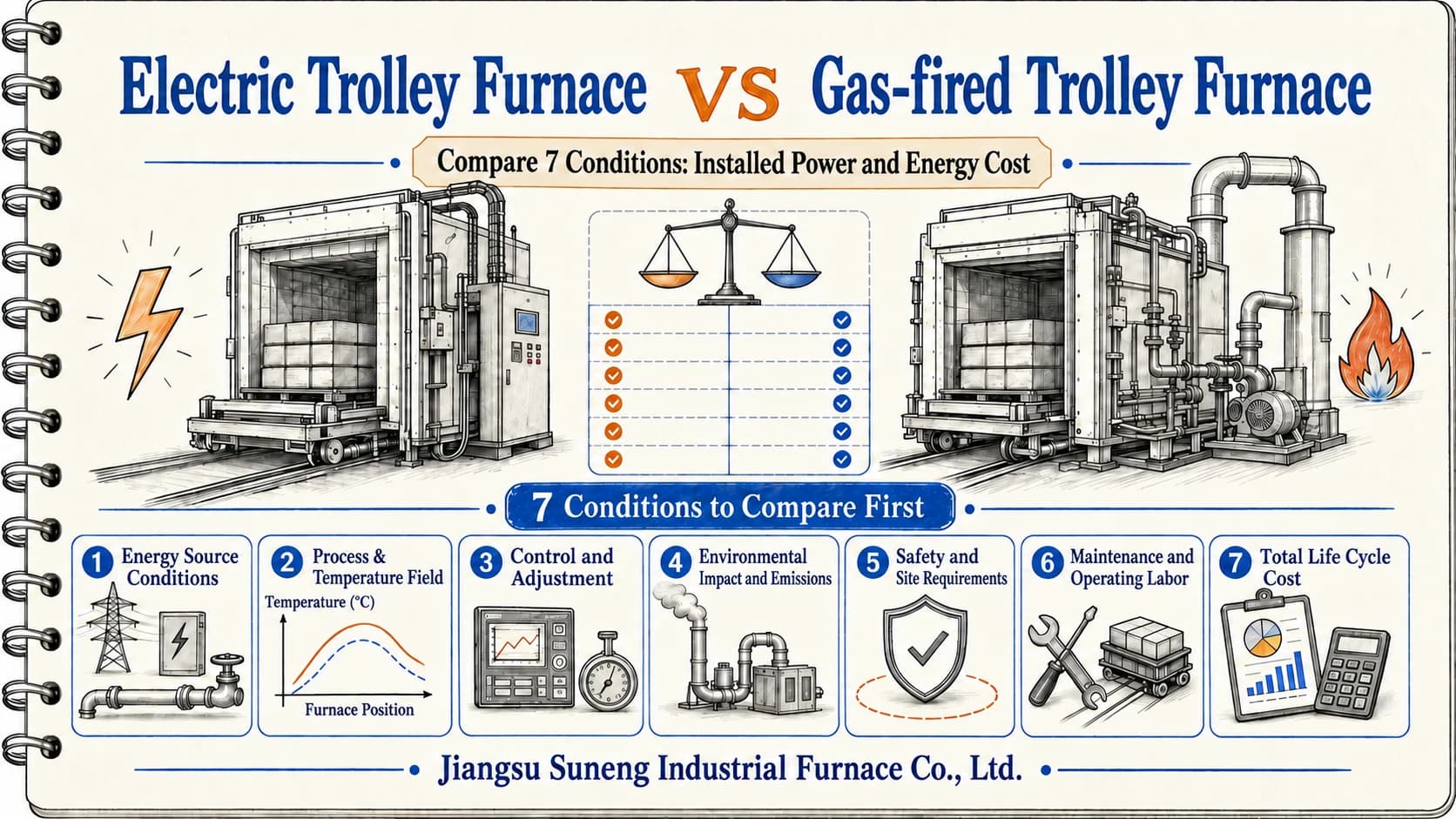
Align utilities, process, controls, emissions, safety, maintenance and life-cycle costs before choosing the heat source.
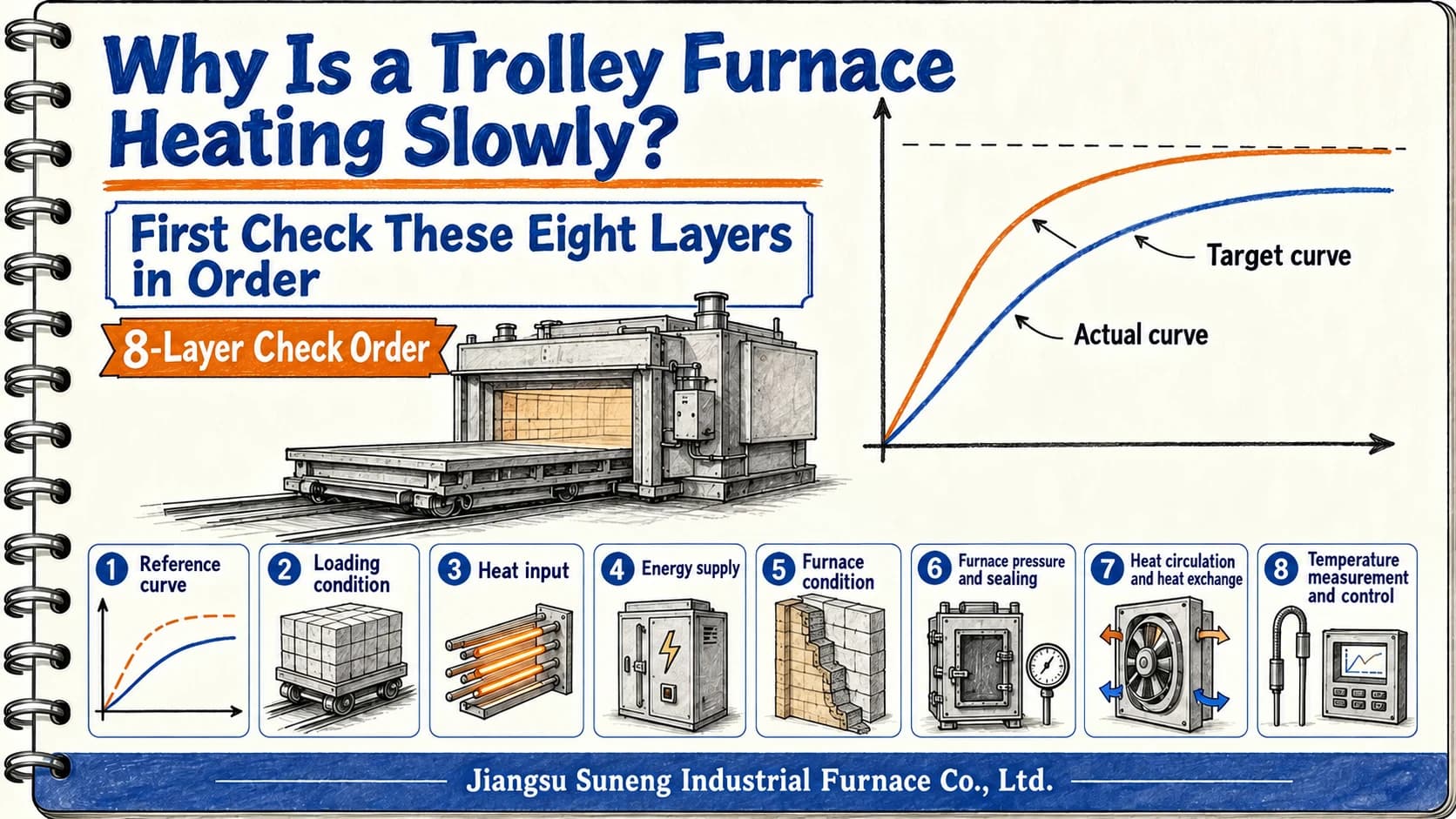
Establish a comparable curve before investigating loading, heat input, utilities, insulation, seals, circulation and measurement.
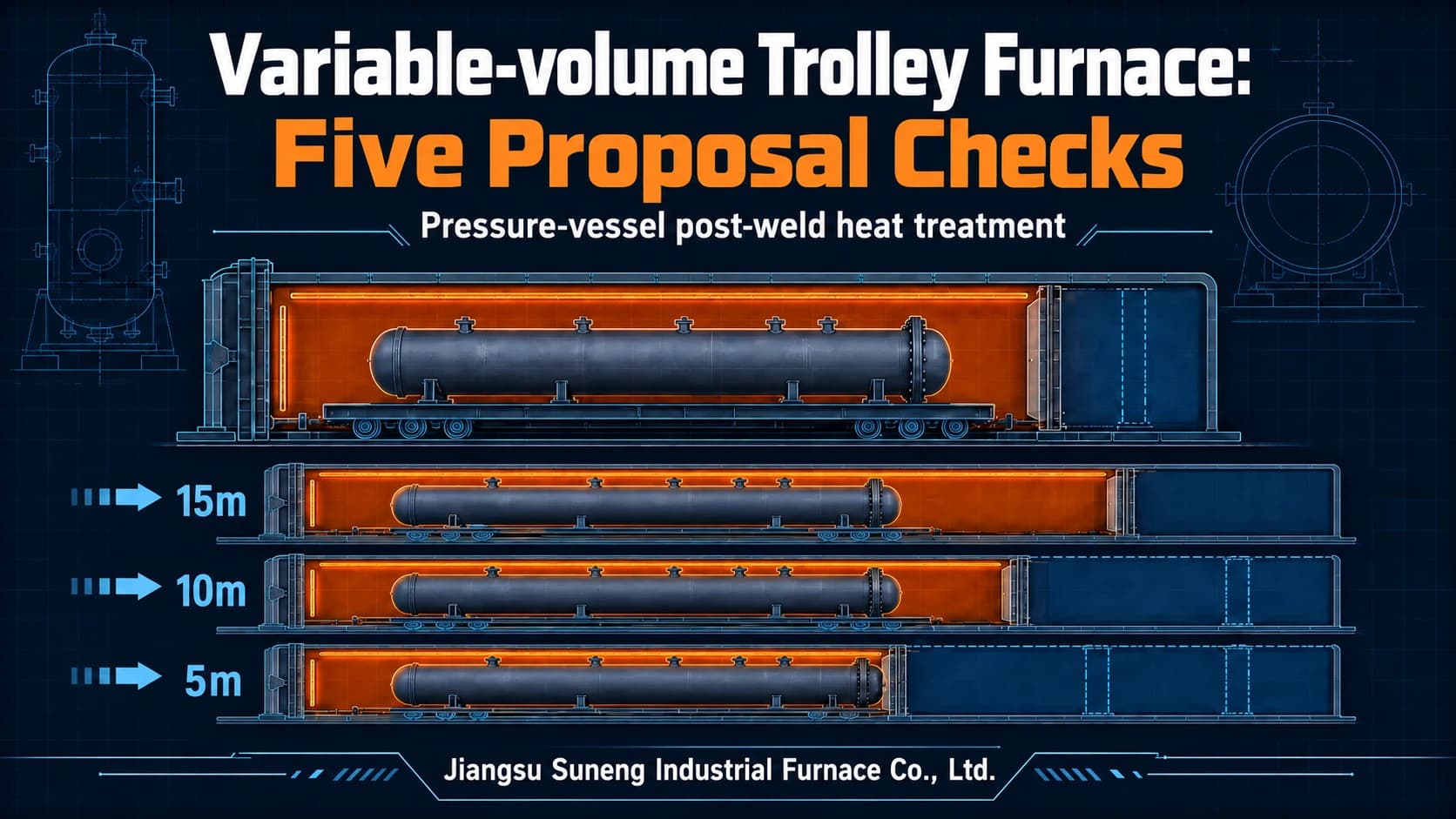
Use this historical proposal to check rear-wall position, effective heating zones, burner controls, seals, temperature records and verification scope.
Share workpiece, output or existing-equipment information so the engineering team can clarify the key requirements.